
UNESCO
The Roșia Montană Mining Landscape
The Roșia Montană cultural mining landscape is the most important, extensive and diverse subterranean mining complex of Roman antiquity in the world, inscribed on the UNESCO World Heritage List in July 2021. The site was also included on the List of World Heritage in Danger, recognising the urgent need for protective measures.
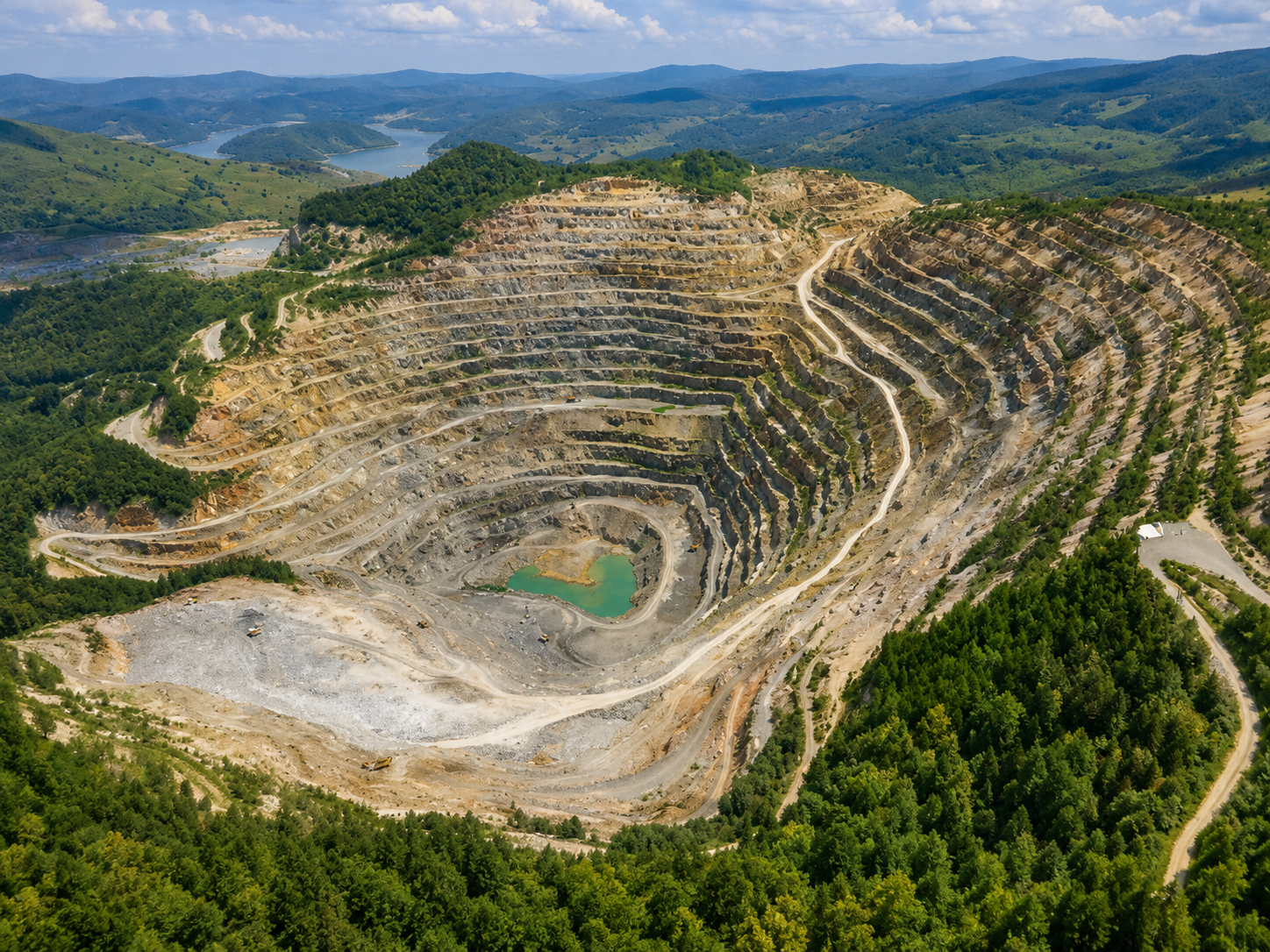
The Roșia Montană cultural mining landscape, located in Alba County in the Munții Apuseni, was inscribed on the UNESCO World Heritage List on 27 July 2021, by decision of the World Heritage Committee at its 44th session. It is the most recent Romanian site to be included in the UNESCO heritage list and the only mining site in Romania to hold this status. The site encompasses the most important subterranean mining complex of Roman antiquity, with over 7 km of Roman galleries out of more than 80 km of galleries in total, together with ore extraction areas, residential areas, sacred areas and necropolises. Mining activity at Roșia Montană has been continuous since the Bronze Age, making it the site with the greatest documented mining longevity in human history. The UNESCO inscription was based on criteria (ii), (iii) and (iv) of the World Heritage Convention — the influence of Roman mining technologies, the cultural tradition of the mining community, and the value of the cultural landscape. The site also includes a network of tăuri — artificial lakes built from 1733 onwards to supply the stamp mills used for gold separation — among which Tăul Mare, with a surface area of 32,000 square metres, is the largest. The wax-coated wooden tablets discovered in the galleries during the 18th and 19th centuries, taken together with epigraphic stone monuments, provide a unique insight into the life and organisation of the Roman mining community.