
Attraction
Vârful Vlădeasa
Vârful Vlădeasa, at an altitude of 1,836 m, is the highest point of the Munții Vlădeasa range in the Apuseni, with a geological substrate of crystalline schists and granites formed approximately 300 million years ago. The summit area shelters oligotrophic peat bogs and subalpine meadows, and the fauna includes brown bear, wolf and lynx. Access is possible from Ic Ponor or Poiana Călățele, via marked trails with walking times of 3–5 hours.
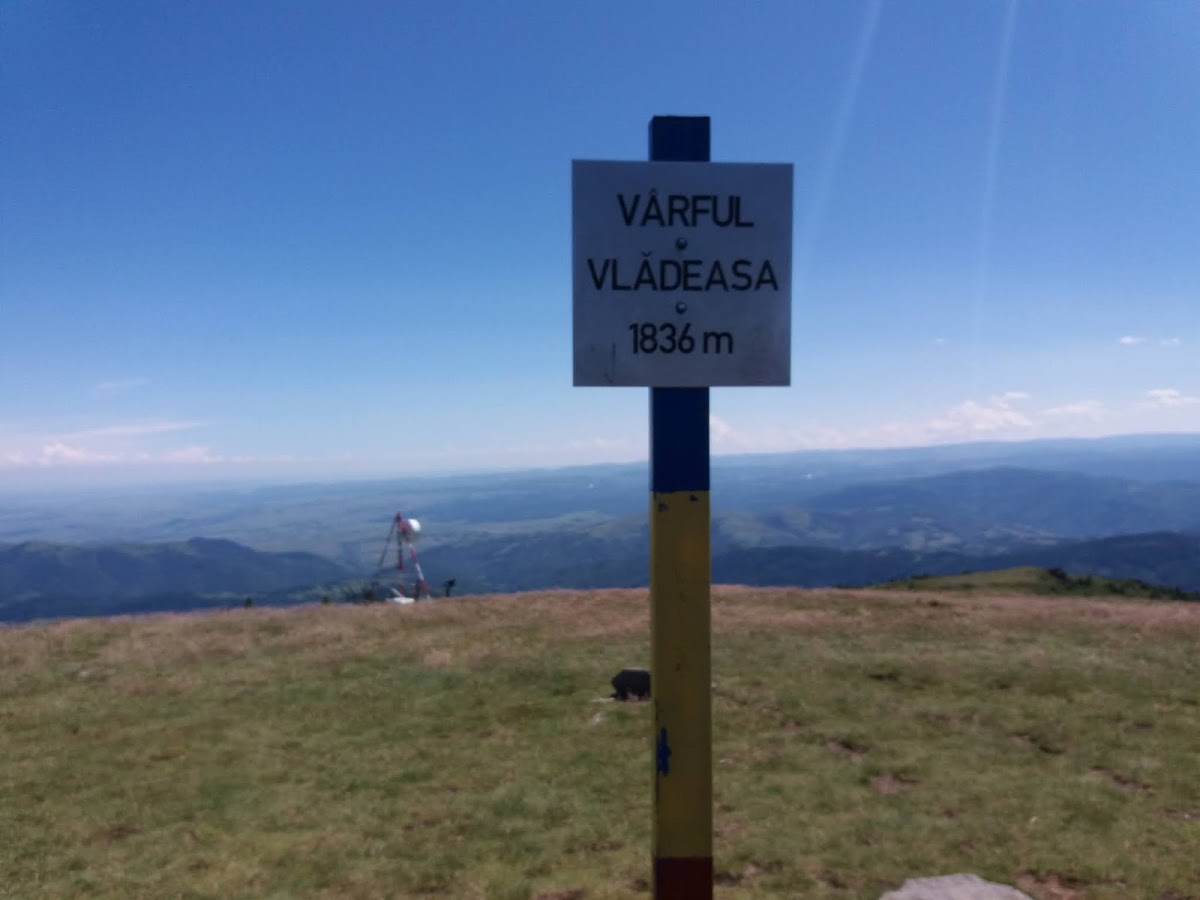
Vârful Vlădeasa is the highest point of the Munții Vlădeasa range within the Munții Apuseni, reaching an altitude of 1,836 m. The massif spans the territories of Cluj and Bihor counties, bounded by the valleys of the Crișul Negru to the west, the Iadului to the north and the Drăganului to the south. The geological substrate is dominated by crystalline schists and granites over 300 million years old, which give the relief a robust character, with steep slopes and elevated plateaus. The summit area features vegetation typical of the alpine and subalpine belts — meadows with Festuca supina, extensive bilberry heaths and peat bogs. The fauna includes species characteristic of the Apuseni: brown bear, wolf, red deer, lynx and numerous diurnal birds of prey. The peak lies in the vicinity of the Rezervația Naturală Mlaca Tăurului, an oligotrophic peat bog of significant scientific importance. The most frequently used access routes start from the village of Ic Ponor or from Poiana Călățele, both in Cluj county, along marked trails with walking times of 3–5 hours. An alternative approach begins from the resort of Stâna de Vale, Bihor county, following the trail marked with a red triangle. In winter, the northern slopes retain snow until May, making the peak attractive for hikers with appropriate equipment. It is well worth visiting for its combination of well-preserved peat bog ecosystems, sweeping panoramic views over the Apuseni and a variety of trails suited to different levels of difficulty.
Muntii Vladeasa 1836m judetul Cluj