
Attraction
Ulpia Traiana Sarmizegetusa
Ulpia Traiana Sarmizegetusa is the archaeological site of the capital of Roman Dacia, in the village of Sarmizegetusa in the Hațeg Country, founded on Trajan's orders after the conquest of 106. Visitors can see the forum, the amphitheatre of about 5,000 seats and the sacred area with its temples in the open air, and the Sarmizegetusa Archaeology Museum stands next to the site.
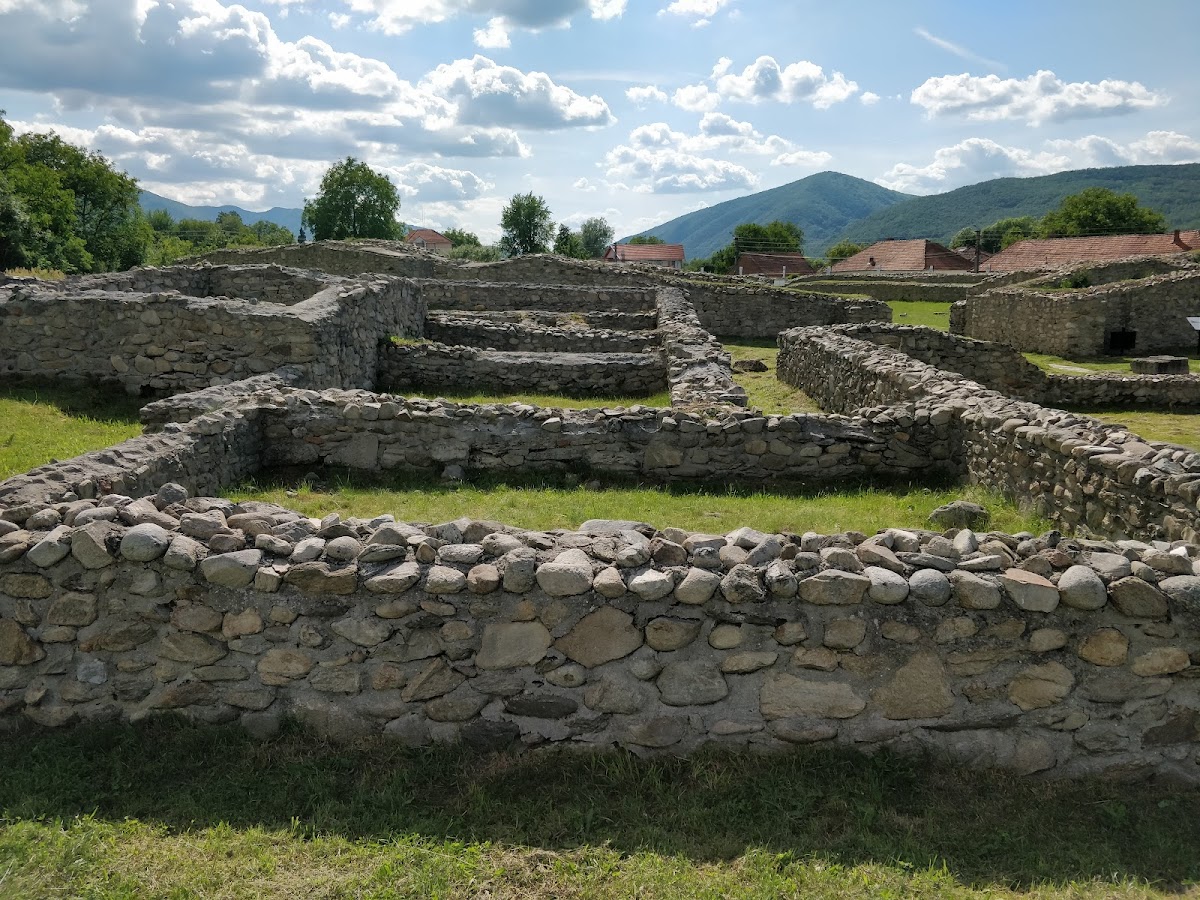
The Ulpia Traiana Sarmizegetusa archaeological site lies in the village of Sarmizegetusa, in the commune of the same name, in the western Hațeg Country. The town, whose full name was Colonia Ulpia Traiana Augusta Dacica Sarmizegetusa, was founded after Trajan's conquest of Dacia (106), on the emperor's orders, through the governor Decimus Terentius Scaurianus, according to an inscription. The exact year is unknown, with specialists proposing dates between 106 and 112. It should not be confused with Sarmizegetusa Regia, the capital of the Dacian kings in the Orăștie Mountains.
The town was founded directly with the rank of colonia, held the "ius Italicum" and was the only town in Dacia called "metropolis". Its walls, about 540 by 600 m, enclosed some 32.4 hectares, and settlement extended beyond them. The building that Constantin Daicoviciu, who excavated here from 1924, interpreted as the "Palace of the Augustales" proved to be the forum of the colony, with its monumental gate, marble-paved courtyard, basilica and curia. South of it there was a second forum with a Capitolium.
The amphitheatre, outside the walls, measures 88 by 69 m and held about 5,000 spectators; it was first built of wood and later rebuilt in stone on the same outline. Next to it lies the sacred area, with the temple of Nemesis, the sanctuary of Aesculapius and Hygieia, the Great Temple and the temple of Silvanus. In the 4th century, the inhabitants who remained after the Roman withdrawal of 271-275 blocked the amphitheatre gates with gravestones. The ruins later served as building material, including for the church at Densuș.
The site, a class A historic monument (LMI code HD-I-s-A-03205), is visited in the open air: the forum, the restored amphitheatre, the sacred area and the palace of the financial procurator. The Sarmizegetusa Archaeology Museum, right next to the site and part of the Museum of Dacian and Roman Civilisation in Deva, holds finds from the excavations and has a lapidarium of marble monuments in its courtyard. Much of the town has still not been excavated.
Sat Sarmizegetusa, comuna Sarmizegetusa, județul Hunedoara