
Attraction
Țara Loviștei – Ethnographic Region
Țara Loviștei is a historic and ethnographic micro-region in the north of Vâlcea County (extending into Argeș), set in the Loviștea depression on the middle course of the Olt, between the Făgăraș and Parâng Mountains. Documented since 1233 and inhabited since the Neolithic, it stands out through its shepherd folk costume, pastoral traditions, towerless wooden churches and the legend of the Battle of Posada (1330). It is worth visiting for its authentic pastoral civilisation and the "mountain fortress" landscape of the depression.
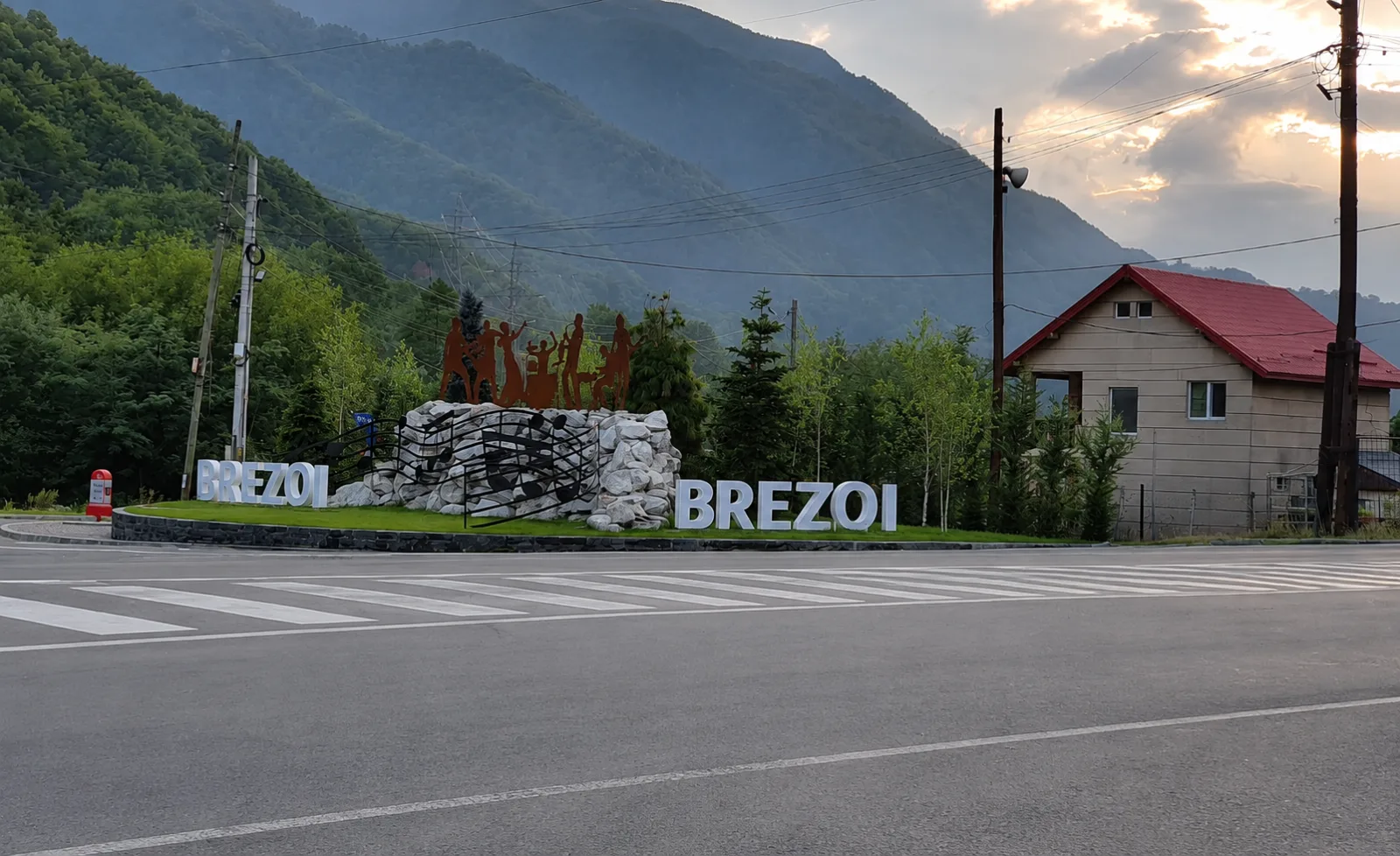
Țara Loviștei is a historic and ethnographic micro-region in the north of Vâlcea County, extending into Argeș County, whose area corresponds to the Loviștea depression. Set on the middle course of the Olt and also crossed by the Lotru River, it is enclosed on all sides by the Făgăraș massif to the north, the Lotru and Parâng to the west, and Cozia to the south — a true natural "fortress" of about 2,000 km², lying at almost equal distance from Sibiu, Râmnicu Vâlcea and Curtea de Argeș. Its most important localities are the town of Brezoi and the communes of Câineni, Perișani, Racovița, Titești, Mălaia and Voineasa.
The area has been inhabited since the Neolithic, later by the Geto-Dacians and the Romans, who guarded the eastern limes here through forts on the Olt (Pons Vetus at Câineni, Praetorium at Racovița). Documented since 1233, Țara Loviștei has always been a zone of passage between Transylvania and Wallachia, crossed by the old "Loviștea Road" and by the Via Carolina, built by the Austrians on the steep bank of the Olt. In its eastern part, in the rocky area near Perișani, historical tradition places the famous Battle of Posada (1330), in which Basarab I defeated the army of King Charles Robert of Anjou, a moment tied to the assertion of Wallachia's independence.
Ethnographically, Loviștea stands out through its pastoral civilisation, preserved over centuries: the transhumance of sheep towards the Danube valleys and the Balkans, the shepherd folk costume, the summer fairs (such as the one on St Elijah's day) and the traditional crafts — woodworking, wicker basket weaving, and local cuisine with bellows cheese and pickled beech mushrooms, specific to the Perișani area. Traditional architecture includes wooden houses and towerless little churches, some listed as historic monuments (Brezoi, Mălaia, Ciunget). Țara Loviștei is worth visiting for the authenticity of its pastoral traditions, the rich history of the area and the wild scenery of the Lotru and Latorița valleys.
Brezoi judetul Valcea