
Attraction
Chioar Land
Chioar Land is a historical region and ethnographic area in south-western Maramureș County, with a small part in Cluj County, named after Chioar Fortress and largely made up of the lower valley of the Lăpuș river. The Chioar district, centred on Șomcuta Mare, existed as an administrative unit from 1549 until 1876.
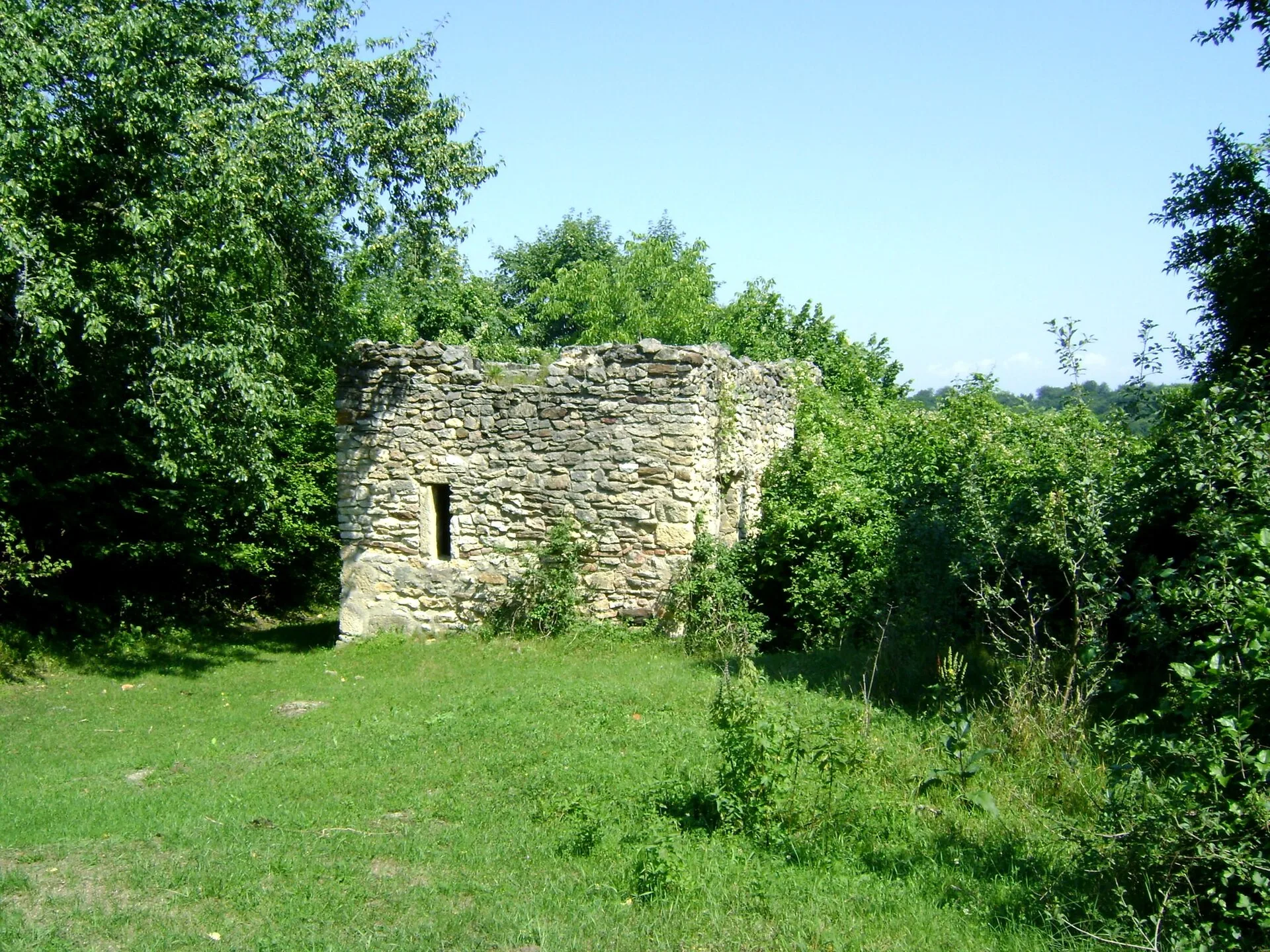
Foto: George basesteanu, CC BY-SA 4.0, via Wikimedia Commons
Chioar Land (Hungarian Kővárvidék) takes its name from Chioar Fortress, built on a promontory in the Lăpuș gorge. According to Wikipedia, the ethnographic area extends eastwards from Cavnic to Șatra peak and Pietriș hill, then along the eastern and southern slopes of the Preluca massif, the Breaza ridge and the Boiu plateau, to Seini on the right bank of the Someș. Its northern limit is the southern edge of the Gutâi Mountains between Seini and Cavnic. The Chioar estate corresponded to the lower Lăpuș valley, from the gorge to the river's confluence with the Someș, and forms a continuous territory with the Lăpuș Land.
The name is recorded from 1367 as Castrum Kewar. King Louis I granted the fortress estate to the Maramureș voivodes Drag and Balc, and it stayed with the Drágffy family until 1556. Chioar officially existed as a district from 1549, its first urbarium was drawn up in 1566, and in 1615 the Transylvanian Diet declared it a fiscal estate. After the fortress was destroyed in 1718, Șomcuta Mare became the most important place in the district. On 19 December 1861 the district captain, Sigismund Pap, made Romanian the official language of local administration. The district was abolished in 1876 and divided between the counties of Szolnok-Doboka and Szatmár.
The population was mostly Romanian: in 1840, according to Elek Fényes, 40,517 of the 45,345 inhabitants (89.4%) were Romanians, and in 1870 73.3% of the inhabitants were Greek Catholics. Șomcuta Mare, first recorded in 1358, keeps buildings linked to the district, including the former seat of the Chioar District (1861), the Teleki manor and the Chioar Bank, and the town's territory also includes the wooden churches of Buteasa, Codru Butesii and Vălenii Șomcutei and the Vălenii Șomcutei Cave nature reserve. The ruins of Chioar Fortress lie south of Berchezoaia, in Remetea Chioarului commune.
Șomcuta Mare, județul Maramureș