
Attraction
Soveja Resort
Soveja resort is located in the north-west of Vrancea County, 60 km from Focșani, at an altitude of 500 m, on the Valea Șușiței, surrounded by the beech and conifer forests of the Munții Vrancei. Nicknamed "the Pearl of Vrancea", it is renowned for its exceptionally ozone-rich air — considered the cleanest in Europe — and for its history connected to the battles of the First World War in 1917. The ballad Miorița was discovered and transcribed at Soveja in 1846 by the writer Alecu Russo, who had been exiled here.
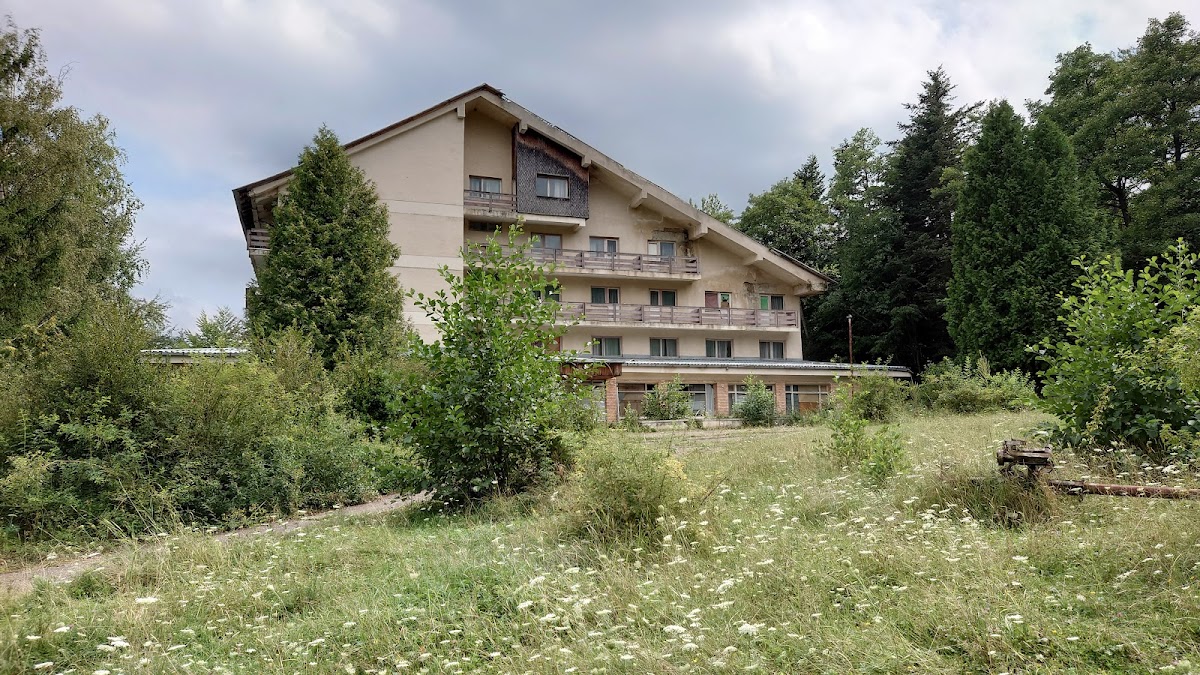
Soveja resort is situated in the mountain area of north-west Vrancea County, on the border with Bacău County, in the depression of the same name, at an altitude of approximately 500 m, along the upper course of the river Șușița Verde. It lies about 60 km from Focșani via DN2L. The resort is nicknamed "the Pearl of Vrancea" and "the Steel Lung of the Region" — its exceptionally ozone-rich air, due to the dense conifer forests and geographical position, is considered among the cleanest in Europe. In the 1970s, miners suffering from respiratory illnesses were sent here for treatment, and professional athletes used the resort for altitude training camps. The resort's history is remarkable: the first hotel was built in 1901 by the prefect of Putna County, and a few years later a forestry company constructed a narrow-gauge railway with a passenger carriage that brought tourists from Focșani and Mărășești. In 1846, the Forty-Eighter writer Alecu Russo was exiled to Mănăstirea Soveja — and it was during this period that he discovered and transcribed the ballad Miorița, passed down orally by Vrancea's shepherds, which he then gave to Vasile Alecsandri for publication. Without the exile at Soveja, Miorița might have remained unknown. The main points of interest in the area are: the Mausoleul Eroilor Soveja (in the village of Dragosloveni) — built between 1923 and 1929 to the designs of architect George Cristinel, in the form of a stone fortress with a cross-shaped plan and a dome, with crypts sheltering 528 identified soldiers (Romanian, Russian, German, Austrian and Hungarian) and the remains of 1,612 unidentified soldiers; the Military Museum — located next to the mausoleum; Mănăstirea Soveja (Dobromira) — founded by Matei Basarab in 1645; Schitul Soveja — built in 2001, with a church painting workshop; the bust of the geographer Simion Mehedinți, founder of the Romanian school of geography, who was originally from the area; the bridge of General Arthur Văitoianu and Popasul Haiducului Bucur. The resort also includes the Soveja Natura 2000 Site (4,567 ha) with virgin forests representative of the Munții Vrancei.
Soveja judetul Vrancea