
Attraction
Rășinari Village
Rășinari, located approximately 12 km from Sibiu at the foot of the Munții Cindrel, is one of the oldest and most beautiful settlements in the Mărginimea Sibiului area, recently included by the World Tourism Organization among the most attractive tourist villages in the world. An important pastoral and cultural centre, the village is the birthplace of philosopher Emil Cioran and poet Octavian Goga, preserving remarkable traditional architecture and living ties to the customs of Mărginimea Sibiului.
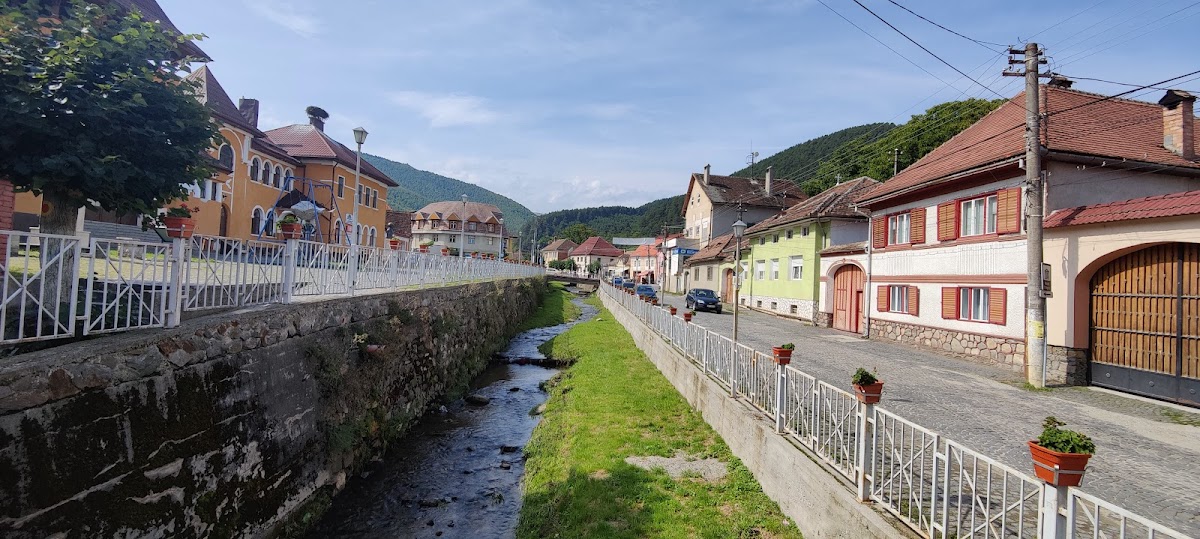
Rășinari is a picturesque commune in Sibiu County, situated approximately 12 kilometres south-west of the city of Sibiu, at the foot of the Munții Cindrel, in the heart of the Mărginimea Sibiului ethnographic area. Documented as far back as the early thirteenth century, it is considered the oldest settlement in this ethnographic region and has long been an important centre of Transylvanian shepherding, practising transhumance along traditional routes descending from the Munții Cindrel. The village is connected to Sibiu by a historic tramway line that passes through Pădurea Dumbrava — a distinctive feature that adds to its charm. In 2025, Rășinari was officially designated by the World Tourism Organization (UN Tourism) as one of the most attractive tourist villages in the world, competing with over 130 destinations from 57 countries. Rășinari has given Romanian culture an impressive array of notable figures. The philosopher and writer Emil Cioran (1911–1995) was born here; his childhood home can be visited, and the places of his early years — most notably "Coasta Boacii" — remained an essential reference point throughout his work. The poet Octavian Goga (1881–1938) was also born in Rășinari and is likewise commemorated with a memorial house. The village is also associated with the great metropolitan bishop Andrei Șaguna, who is buried here, as well as other prominent figures, including the physician and explorer Ilarie Mitrea, one of the founders of the Antipa Museum in Bucharest, and the scholars of the Barcianu family. Beyond its cultural heritage, Rășinari retains traditional architecture characteristic of the Mărginimea Sibiului, with homesteads featuring massive wooden gates and houses with an entrance hall known as a tindă. Its monuments include the Orthodox Church of "Cuvioasa Parascheva", one of the oldest in Transylvania, built in the eighteenth century and notable for its exterior paintings — among them the celebrated "wheel of life" scene —, the Episcopal House dating from 1710, formerly the seat of the Orthodox bishops of Transylvania, and the ruins of the medieval fortress Cetățuia. Renowned also for its gastronomy — including Sibiu cheese, apple must and the traditional pastry known as vărzar —, the village celebrates its identity through events such as the Cheese and Țuică Festival and the Emil Cioran and Octavian Goga Cultural Days.
Comuna Rășinari, Mărginimea Sibiului, la poalele Munților Cindrel, județul Sibiu