
Attraction
Letea Village
Letea is a remote village in the north-east of the Danube Delta, on the Letea sand ridge, inhabited by descendants of the Zaporozhian Cossacks (haholi), with old reed-thatched houses. The DDBRA trail to Lake Nebunu, on the edge of Letea Forest, starts in the village, and the ridge is home to the largest number of free-roaming horses in the Delta.
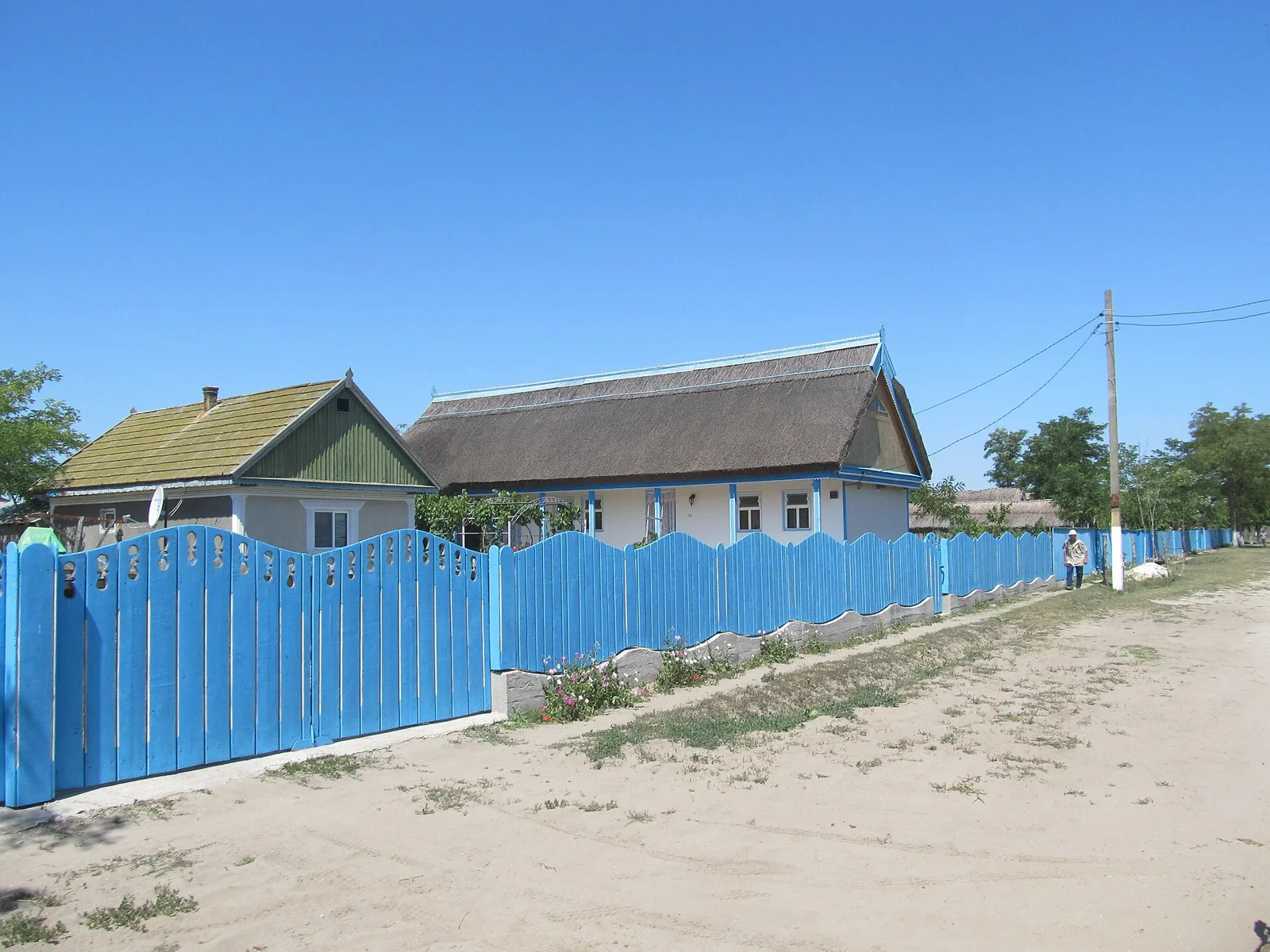
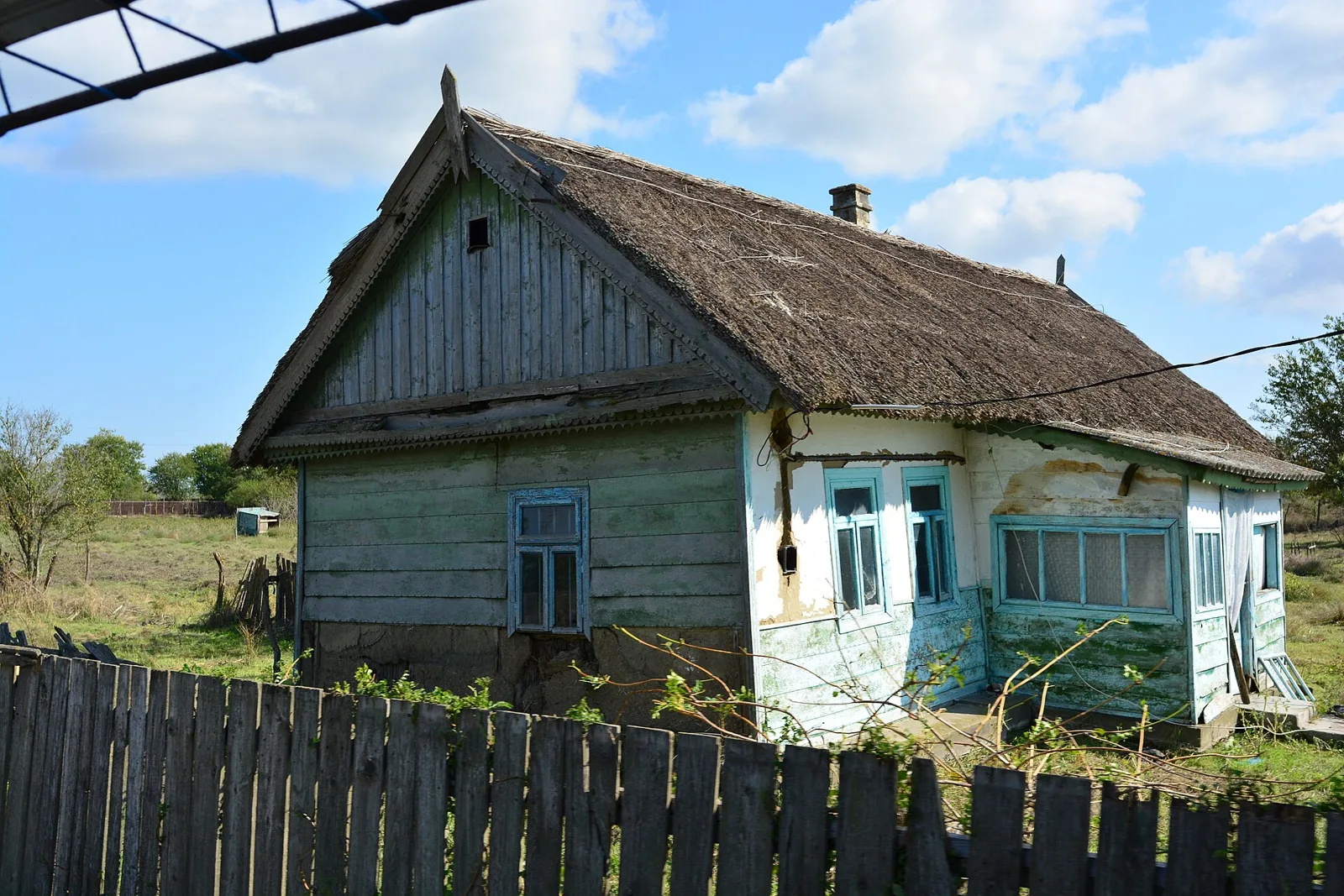
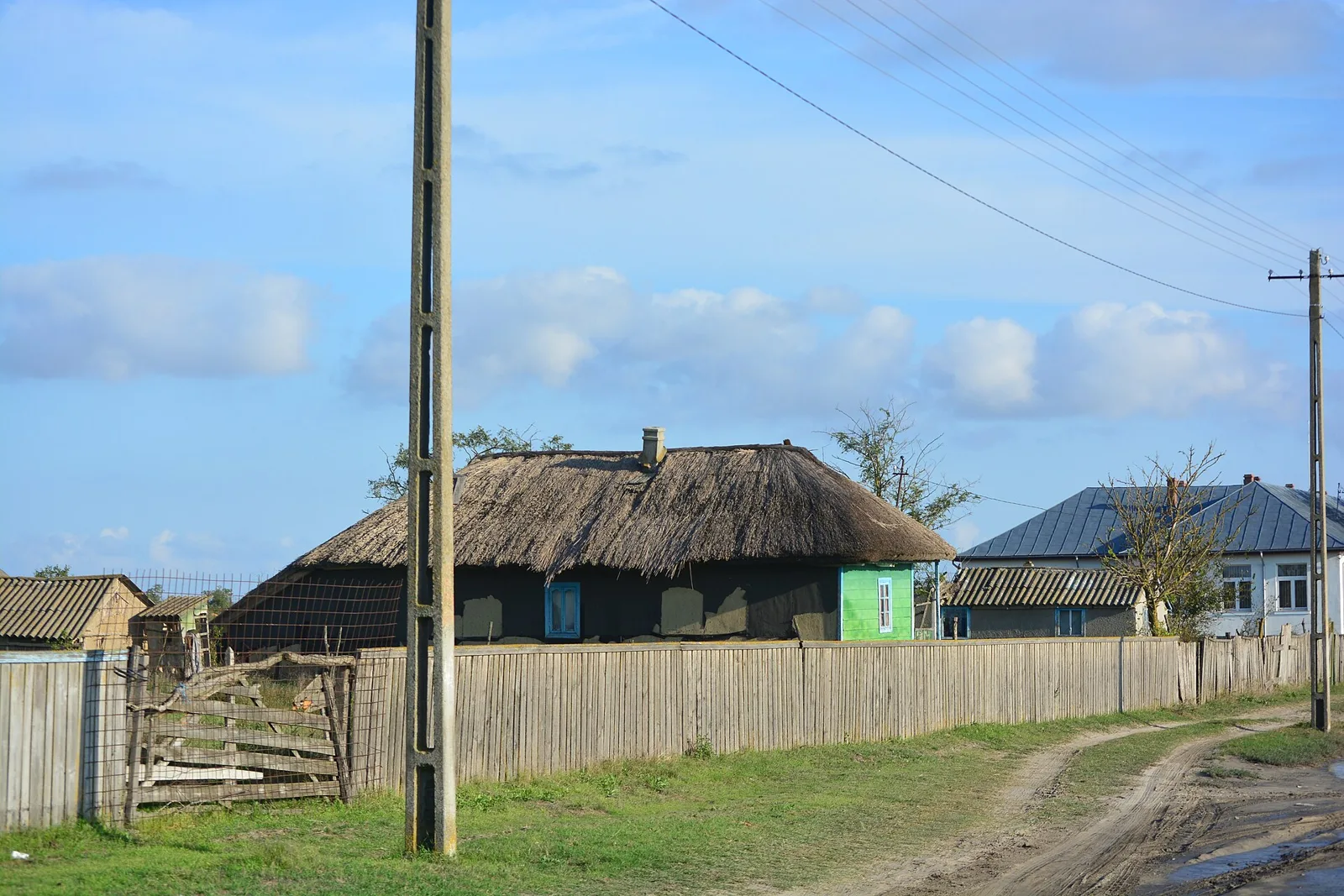
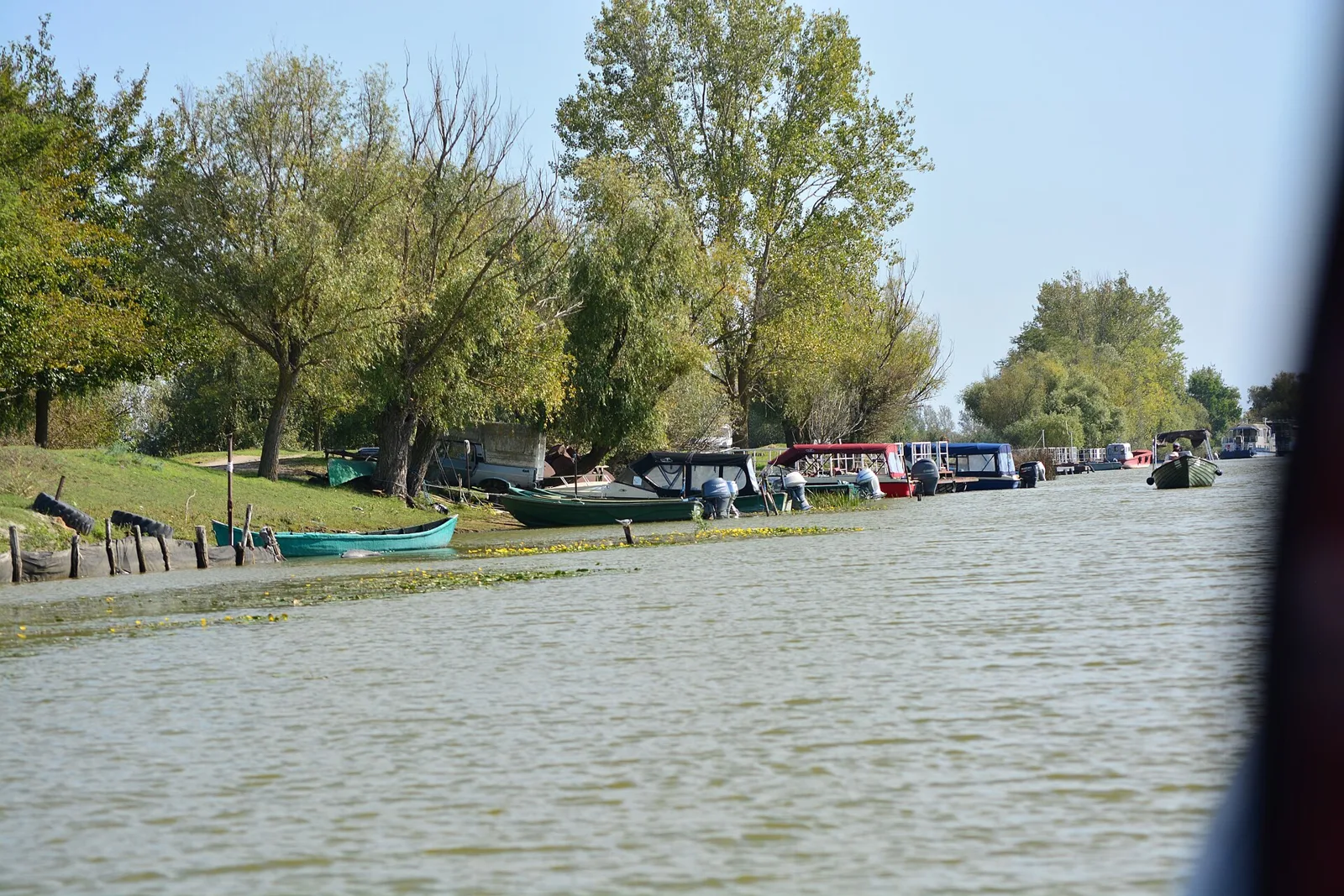
Foto: Nenea hartia, CC BY-SA 4.0, via Wikimedia Commons Galerie: Joe Mabel, CC BY-SA 4.0, via Wikimedia Commons; Joe Mabel, CC BY-SA 4.0, via Wikimedia Commons; Joe Mabel, CC BY-SA 4.0, via Wikimedia Commons
Letea is a village in C.A. Rosetti commune, in the north-east of the Danube Delta, between the Chilia and Sulina branches, on the Letea sand ridge, at an altitude of about 4 m. It lies about 23 km north-north-west of the town of Sulina and south of Letea Forest. The neighbouring villages are Sfiștofca, Periprava, Cardon and C.A. Rosetti. It had 270 inhabitants at the 2021 census.
The old name of the village is Nedilchioi. Its people descend from Zaporozhian Cossacks, refugees from the Russian Empire who came in several waves, after the battle of Poltava (1709) and after Catherine II abolished the Zaporozhian Sich (1775); locals call them "haholi", and they are careful not to be confused with the Lipovans of the neighbouring villages. They are Old Rite believers. The main occupation was fishing, and until collectivisation in 1951 they also grew cereals, vegetables and melons; there were more than 10 windmills around Letea. After the 1970 floods the ridge was diked and the mills were demolished. After 1990 many young people left, and around 2000 a few Belgians and French people bought houses in the village. The painter Stavru Tarasov (1883-1961), a friend of Nicolae Tonitza and Dumitru Ghiață, was born in Letea.
The village has sandy lanes and traditional houses, many with reed-thatched roofs and blue-painted fences and windows. The main link with the outside world is by water, along the Letea Canal, which runs past the village; there is also a rough gravel road to Sulina. The Danube Delta Biosphere Reserve Authority's hiking route D1, Letea (Sfiștofca), Lake Nebunu, Letea, starts in the village and runs along the edge of Letea Forest; by water, the area is reached on DDBRA route 13, Sulina, Cardon Canal, Periprava, Musura Bay, Sulina. Letea Forest is a strictly protected zone, and entry into its interior is forbidden; from its edge visitors can see floodplain oaks, poplars and ashes covered in climbers, and according to the DDBRA the forest is home to the white-tailed eagle, the hoopoe and the European roller. The Delta's semi-wild horses live on the Letea ridge: the DDBRA helicopter count in February 2023 found 915 horses here, compared with 444 in 2019, the largest concentration in the reserve. The DDBRA access permit is needed to visit the Biosphere Reserve.
The village lies in the Danube Delta Biosphere Reserve (UNESCO since 1991, Ramsar wetland) and in the Natura 2000 sites ROSCI0065 Danube Delta and ROSPA0031 Danube Delta and Razim-Sinoie Complex. The neighbouring Letea Forest is one of the reserve's 20 strictly protected zones.
Did you know that the people of Letea celebrate many holidays twice? Although the haholi follow the Julian calendar, the people of Letea use both the Julian and the Gregorian calendars, so the major feasts are celebrated twice a year.
Satul Letea, comuna C.A. Rosetti, Delta Dunării, județul Tulcea