
Attraction
Meziad Cave
Meziad Cave is one of the largest and best-known show caves in Romania, located in Bihor County, on the Valea Meziadului, in the Munții Pădurea Craiului range, in the western part of the Munții Apuseni. With a total gallery length of approximately 4,750 m developed across several levels, the cave impresses visitors with its monumental entrance portal, standing around 16 metres high, and its vast chambers, nicknamed the "underground cathedral". The cavity shelters a variety of speleological formations and protected bat colonies, and has been declared a natural monument and speleological reserve.
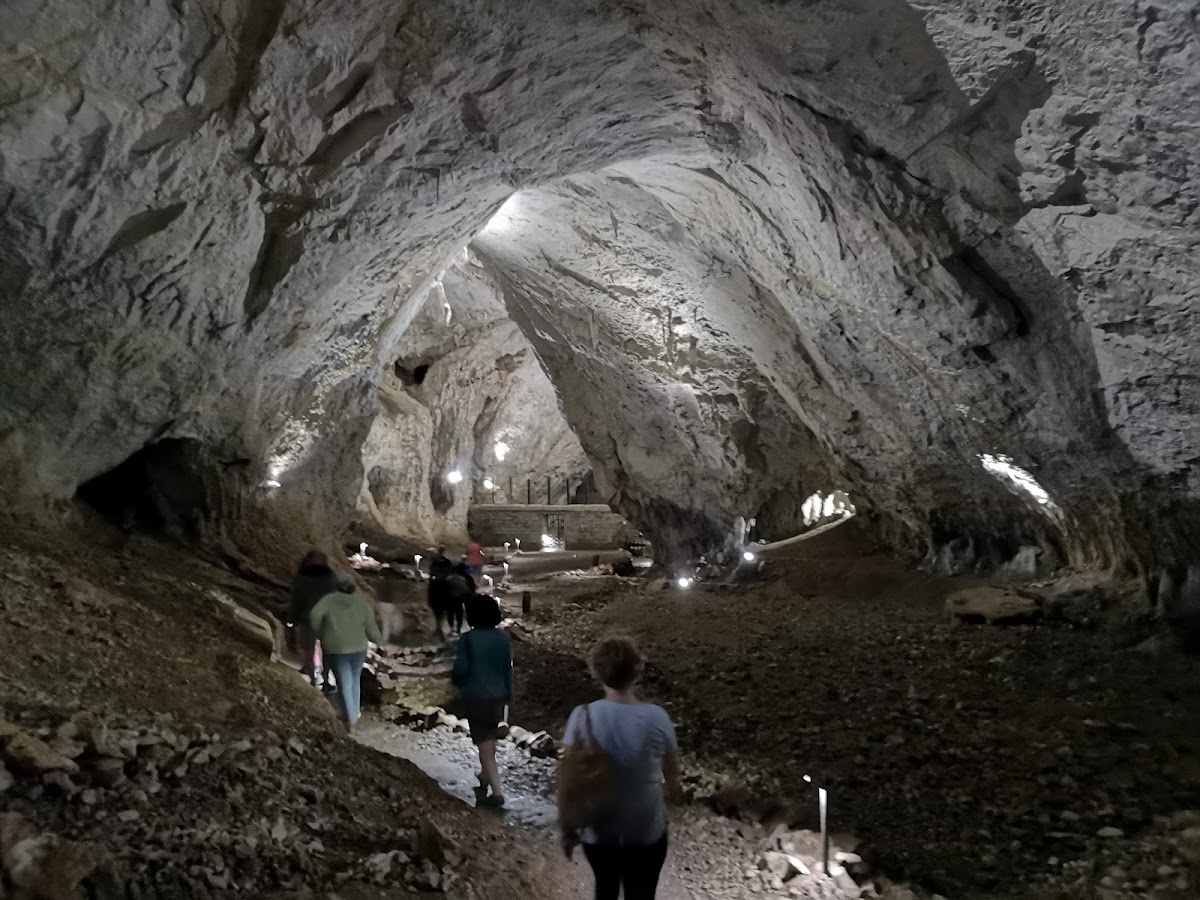
Meziad Cave is one of the most important karst cavities in Romania, located in Bihor County, on the Valea Meziadului, in the south-eastern part of the Munții Pădurea Craiului range, which forms part of the western Munții Apuseni, on the territory of Remetea commune, near the village of Meziad. It is one of the first caves in the country to have been developed for tourism and was long regarded as one of the longest, with a total gallery length of approximately 4,750 m spread across several karstification levels, of which the lower level is partially active. The cave formed in limestone through the underground action of water over millions of years. Entry is through a spectacular semicircular portal approximately 16 metres high and around 10 metres wide, which opens into large chambers, some reaching widths of 20–30 metres and considerable heights — the reason the cave is nicknamed the "underground cathedral". The speleological formations include stalactites, stalagmites, columns, stalagmitic flowstone and calcite draperies, some of remarkable size. The highlight of the tour route is the Natural Bridge, where the two visitable levels converge. The cave holds exceptional scientific value: it was inhabited from prehistoric times, preserving traces of settlement from the Palaeolithic and Neolithic periods as well as fossil remains of the cave bear (Ursus spelaeus), and it has been studied by eminent scholars, having been visited in 1921 by a team led by the speleologist Emil Racoviță. Today it shelters significant bat colonies, providing a protected habitat for several chiropteran species. It has been declared a natural monument and speleological reserve, and is included in the Natura 2000 site Defileul Crișului Repede – Pădurea Craiului. Visits are guided, and the cave has been equipped for tourism since 1972.
Meziad judetul Bihor