
Attraction
Padiș Karst Plateau
The Padiș karst plateau, located in the Munții Bihorului at an average altitude of 1,100 m, on the territory of Pietroasa commune in Bihor County, represents the most complex karst ensemble in Romania, featuring dolines, shafts, caves and poljes developed on Mesozoic limestones. The area includes Cetățile Ponorului, one of the largest cave entrances in Europe, and is part of the Parcul Natural Apuseni. Access is via DJ764 from Pietroasa, with the Padiș chalet serving as the main trail hub.
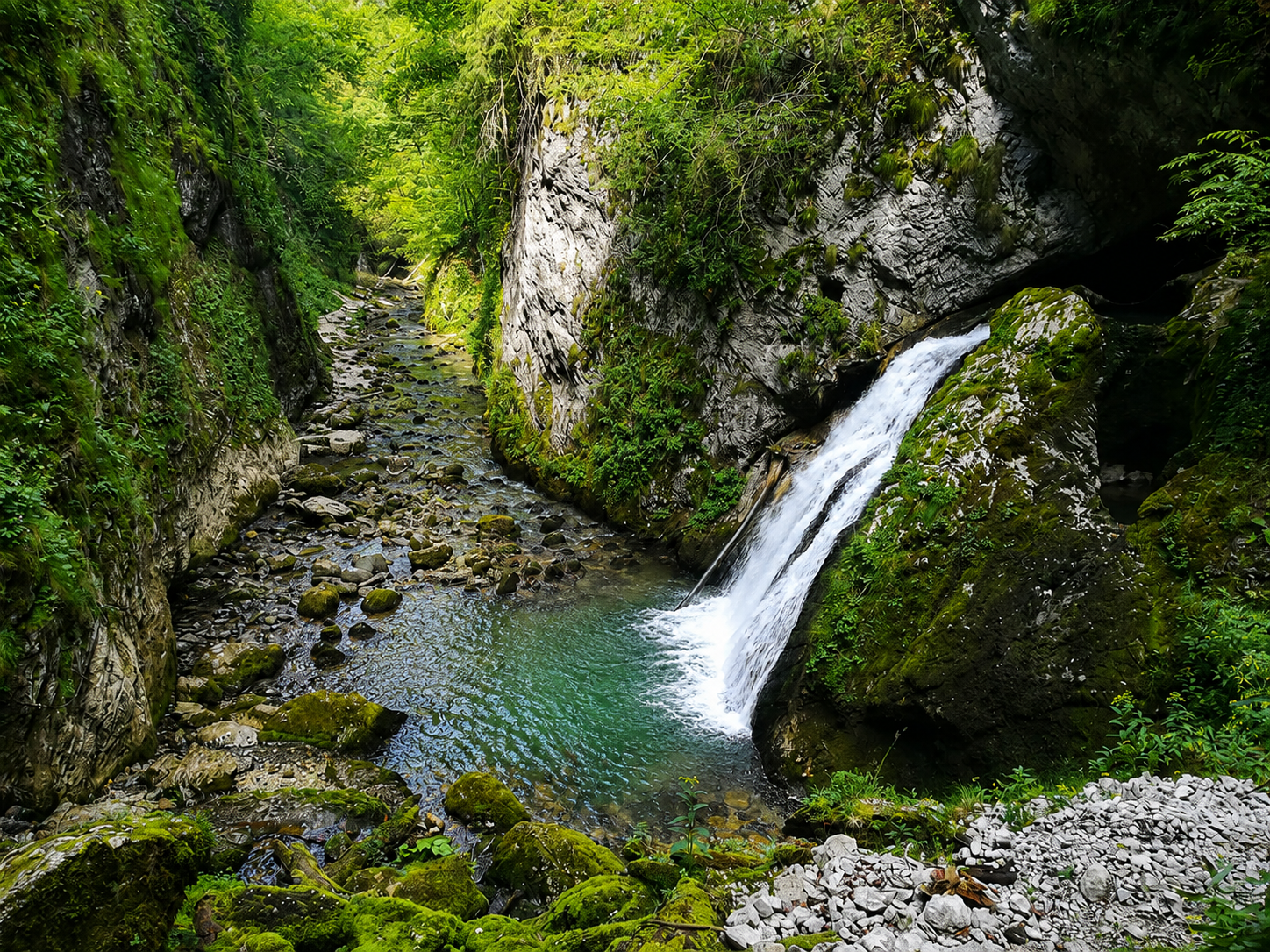
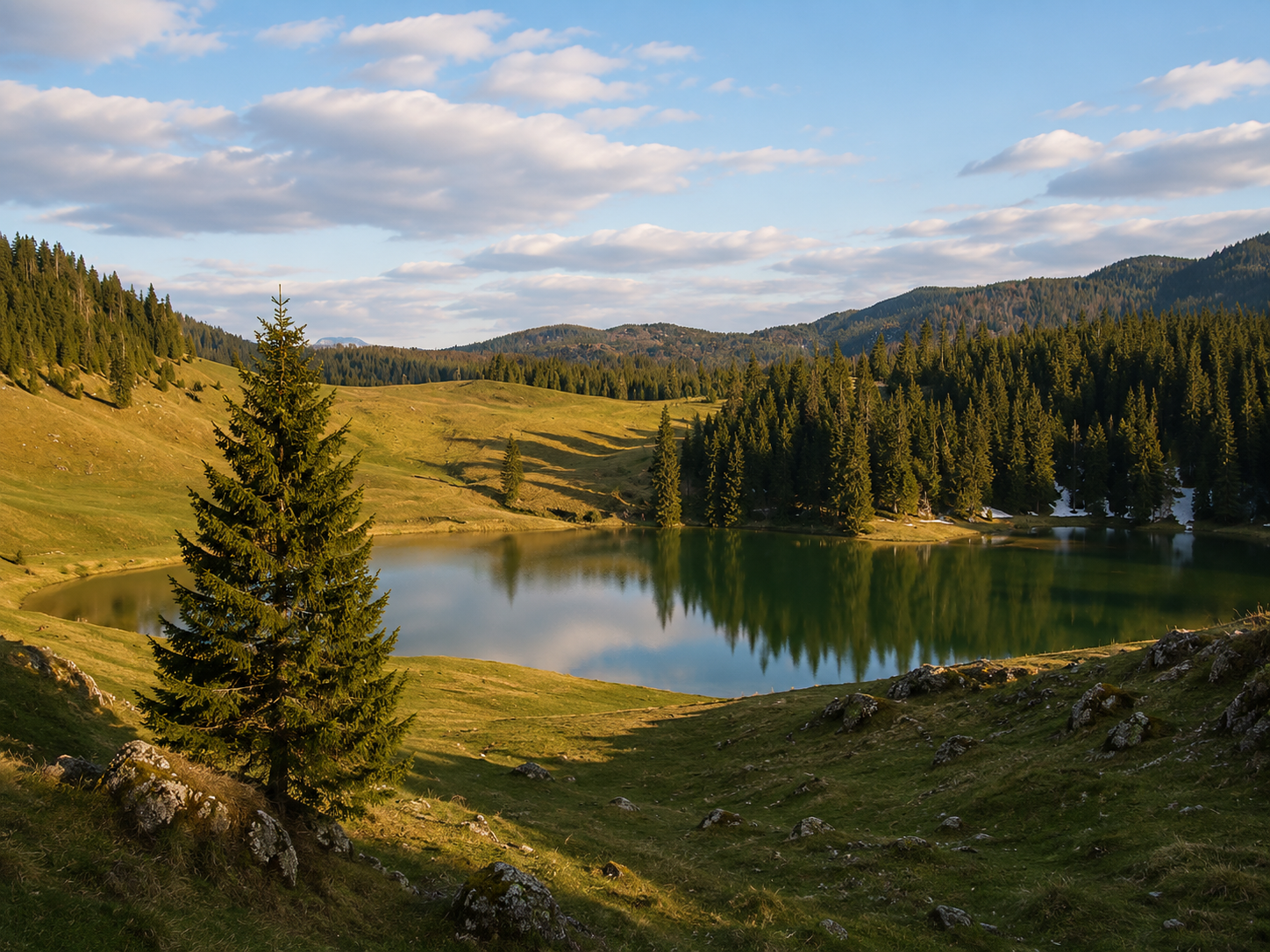
The Padiș karst plateau is one of the most complex karst areas in Romania, situated in the Munții Bihorului at an average altitude of approximately 1,100 m, on the territory of Pietroasa commune in Bihor County. The plateau covers more than 50 km² and encompasses a remarkable assemblage of karst landforms — dolines, poljes, vertical shafts, caves and gorges — all developed on a substrate of Mesozoic limestones ranging in age from 150 to 200 million years. Among the most notable features are Cetățile Ponorului, considered one of the most spectacular karst formations in Europe, with an entrance approximately 70 m high and 30 m wide, as well as Peștera Focul Viu, Avenul Borțig and Lacul Vărășoaia. The area is part of Parcul Natural Apuseni, officially established in 2001, with a total surface area of 75,784 ha. The fauna includes protected species such as the brown bear, lynx, wolf and numerous bat species that inhabit the network of underground cavities. The flora comprises rare orchid species and calciphilous plants adapted to the limestone substrate. Access is from the locality of Pietroasa via DJ764, and from there along forest roads to the Padiș chalet, the main starting point for trails in the area. The distance from Oradea is approximately 100 km. The plateau is well worth visiting for the exceptional density of karst landforms concentrated within a single area, offering researchers and specialist visitors the opportunity to study an active and well-preserved karst system.
Pietroasa