
Attraction
Prislop Pass
Prislop Pass, at 1,416 m, is the highest pass in the Eastern Carpathians and links the Maramureș Depression with the Bistrița Aurie valley, between the Rodna and Maramureș mountains. It is crossed by the DN18 road between Borșa and the village of Șesuri in Cârlibaba commune, and is home to Prislop Monastery and the annual "Hora de la Prislop" folk festival.
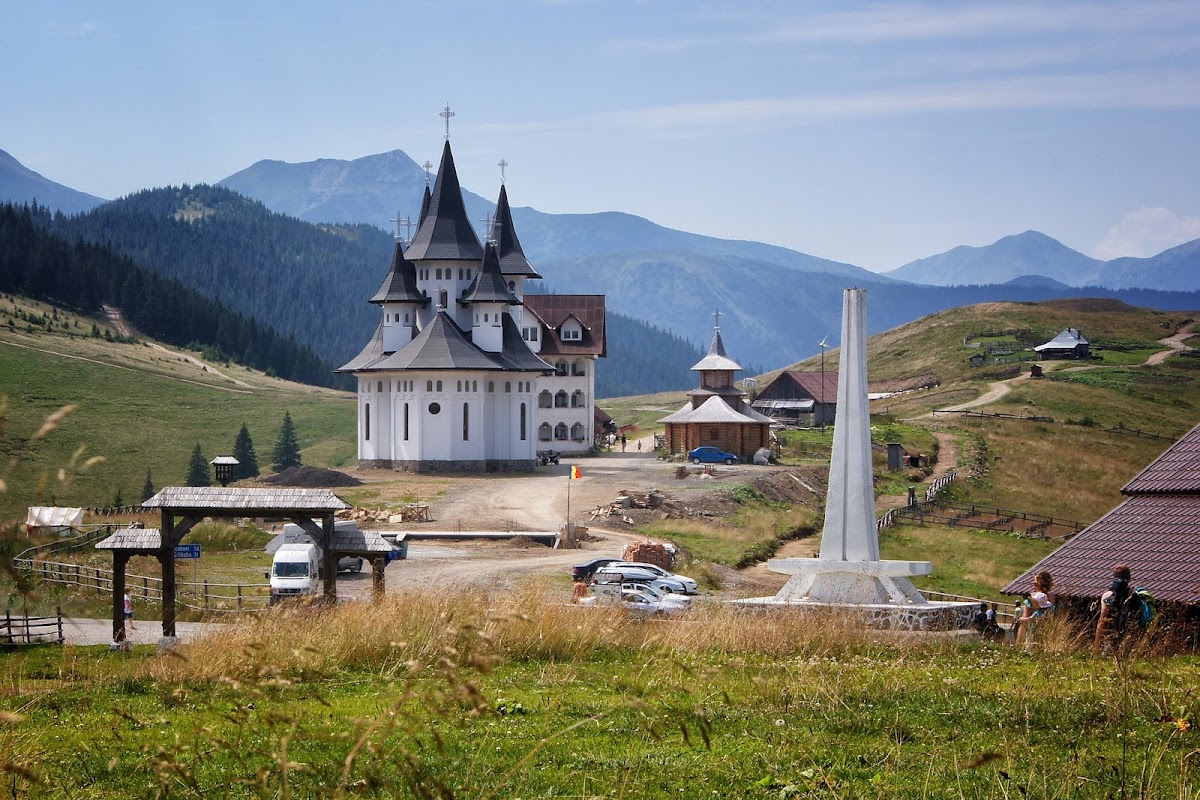
Prislop Pass is the highest pass in the Eastern Carpathians, at 1,416 m, on the DN18 national road from Baia Mare to Iacobeni. It connects the Maramureș Depression, to the west-north-west, with the Bistrița Aurie valley in Bukovina, to the east-south-east. It lies between the Rodna Mountains to the south and the Maramureș Mountains to the north, on the ridge between Preluca Tătarilor and Știol peak (1,611 m), between the town of Borșa and the village of Șesuri in Cârlibaba commune, Suceava County. The Maramureș side is the steeper one. The Vișeu river rises below the pass.
In March 1241, during the great Mongol invasion, part of a Tatar column crossed the pass on its way down into Maramureș. The Preluca Tătarilor monument recalls the last Tatar raid, in 1717, when the people of Borșa led by archpriest Șandor Lupu defeated a Tatar force retreating from Maramureș. During the First World War, around 1915, the Austro-Hungarian army used Russian prisoners of war to build a military railway from Borșa to Iacobeni over the pass; it was abandoned after the war and its materials were later reused for the narrow-gauge line in the Vaser valley.
On the pass stands Prislop Monastery, dedicated to the Transfiguration and the Holy Trinity, built from 1999 and put into use in 2008. Beside the monastery church is a military cemetery where 136 soldiers who fell in the two world wars are buried. At the foot of the pass, at 67 Preluca Tătarilor street, the Roots Museum occupies an old house and displays more than 100 tree roots, objects belonging to soldiers who fell in the area, a coin collection and decorated eggs.
Every year, on the first Sunday after the feast of the Dormition, the pass hosts the inter-county folk festival "Hora de la Prislop". The gathering is mentioned in documents from 1738, was banned from 1848 and was revived in 1968 through the efforts of history teacher and folklorist Nicoară Timiș. Marked trails lead from the pass to the Borșa Tourist Complex and Cascada Cailor, and to Toroiaga peak.
Pasul Prislop, DN18, oraș Borșa, județul Maramureș