
Attraction
Putna-Vrancea Natural Park
Putna-Vrancea Natural Park is a protected area of approximately 38,000 hectares located in the central north-western sector of the Munții Vrancei, covering the entire mountain hydrographic basin of the Putna river plus the Mordanu and Goru massifs. With 195 identified vertebrate species, 650 species of higher plants and 26 endemic species, the park is one of the wildest and least frequented mountain areas in Romania. Although the maximum altitude is only 1,785 m (Vârful Goru), its virgin forests, high density of large carnivores and absence of mass tourism make it exceptional for ecotourism.
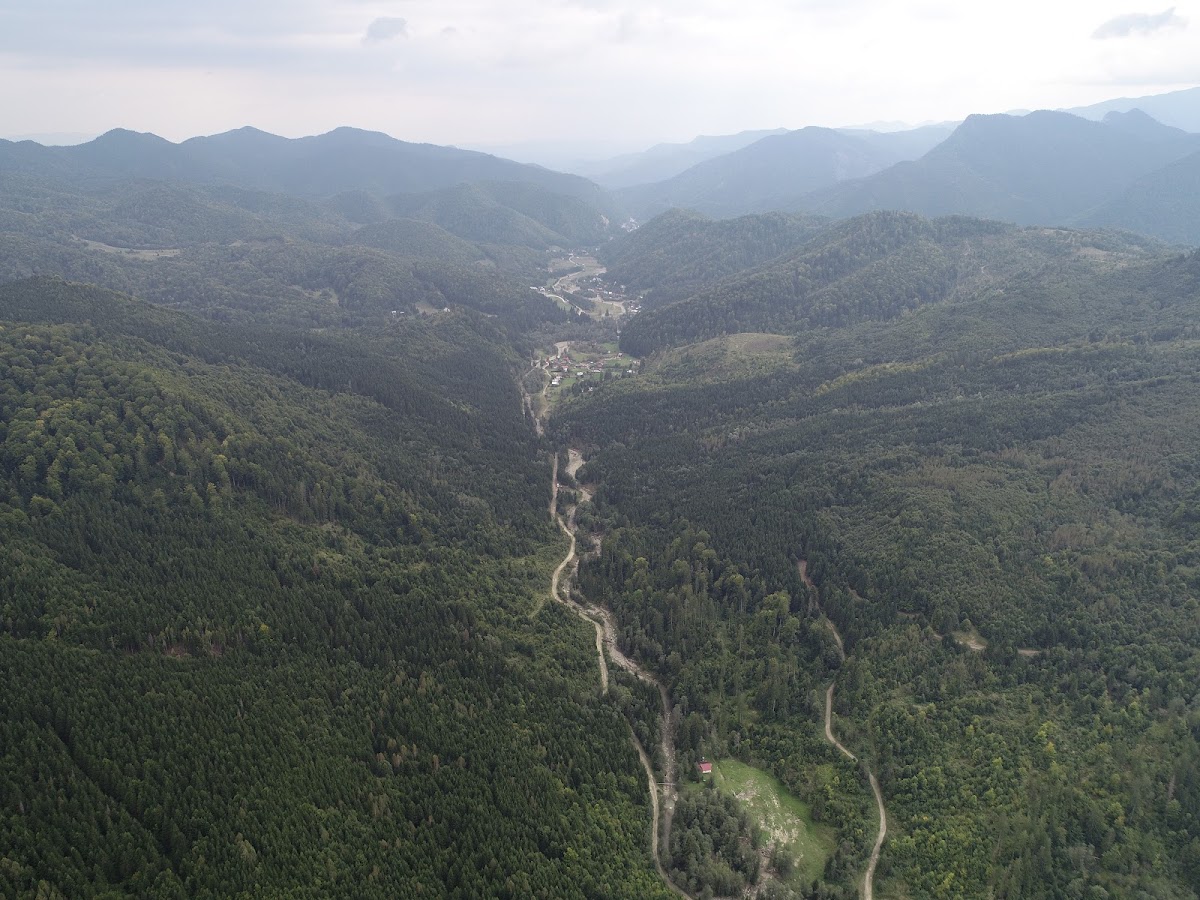
Putna-Vrancea Natural Park is a protected area located in the central north-western sector of the Munții Vrancei, part of the outer group of the Carpații de Curbură, in Vrancea County. It largely overlaps with the mountain hydrographic basin of the Putna river, to which the Mordanu and Goru massifs are added to the south-west, with a total area of approximately 38,000 hectares. The park administration is headquartered in the village of Tulnici. It was established by Government Decision no. 2151 of 30 November 2004. Although the Munții Vrancei do not reach very high altitudes — the highest peak is Goru (1,785 m) — the area is remarkable for the wildness of its landscape, the density of its virgin forests and the absence of mass tourism. The park includes six nature reserves: Cascada Putnei, Groapa cu Pini, Muntele Goru, Pădurea Lepșa-Zboina, Strâmtura-Coza and Valea Tișiței. Cascada Putnei, with a drop of approximately 80 m into a lake 12 m deep, was declared a natural monument in 1973 and is the most spectacular attraction accessible to visitors. The flora comprises around 650 species of higher plants, including 26 endemic species. Notable species include: lady's slipper orchid (Cypripedium calceolus), dwarf mountain pine (Pinus mugo), yew (Taxus baccata), globe flower and edelweiss. The fauna includes 195 species of vertebrates, the majority protected under European legislation. Large carnivores — brown bear, wolf and lynx — represent core populations at a European level. Chamois were introduced into the park in 1982. The chances of encountering deer, roe deer or bears on the trails are significant. Marked trails set out from Păulești, Coza and Lepșa to the west, or from Comandău (Covasna County) to the east, following the main ridge of the Munții Vrancei. The ridge trail traces roughly a triangle between Tulnici, Vârful Goru and Vârful Lăcăuți. A surprising historical detail: the main trail along the Putna river follows the former timber-transport road from the 19th century, when almost the entire forest was felled — the current forest has naturally regenerated over the past century. Access is via DN2D from Focșani through Soveja, or via the DJ road from Lepșa.
Lepsa judetul Vrancea