
Attraction
Kiseleff Park
Kiseleff Park, laid out between 1832 and 1834 on the initiative of Russian general Pavel Kiseleff, covers about 3.2 hectares in Bucharest's 1st district, running along the avenue that bears the same name. The park has mature trees over 100 years old and sits next to the Arch of Triumph and the National Village Museum. It is reached from Aviatorilor metro station or by public transport along Kiseleff Avenue.
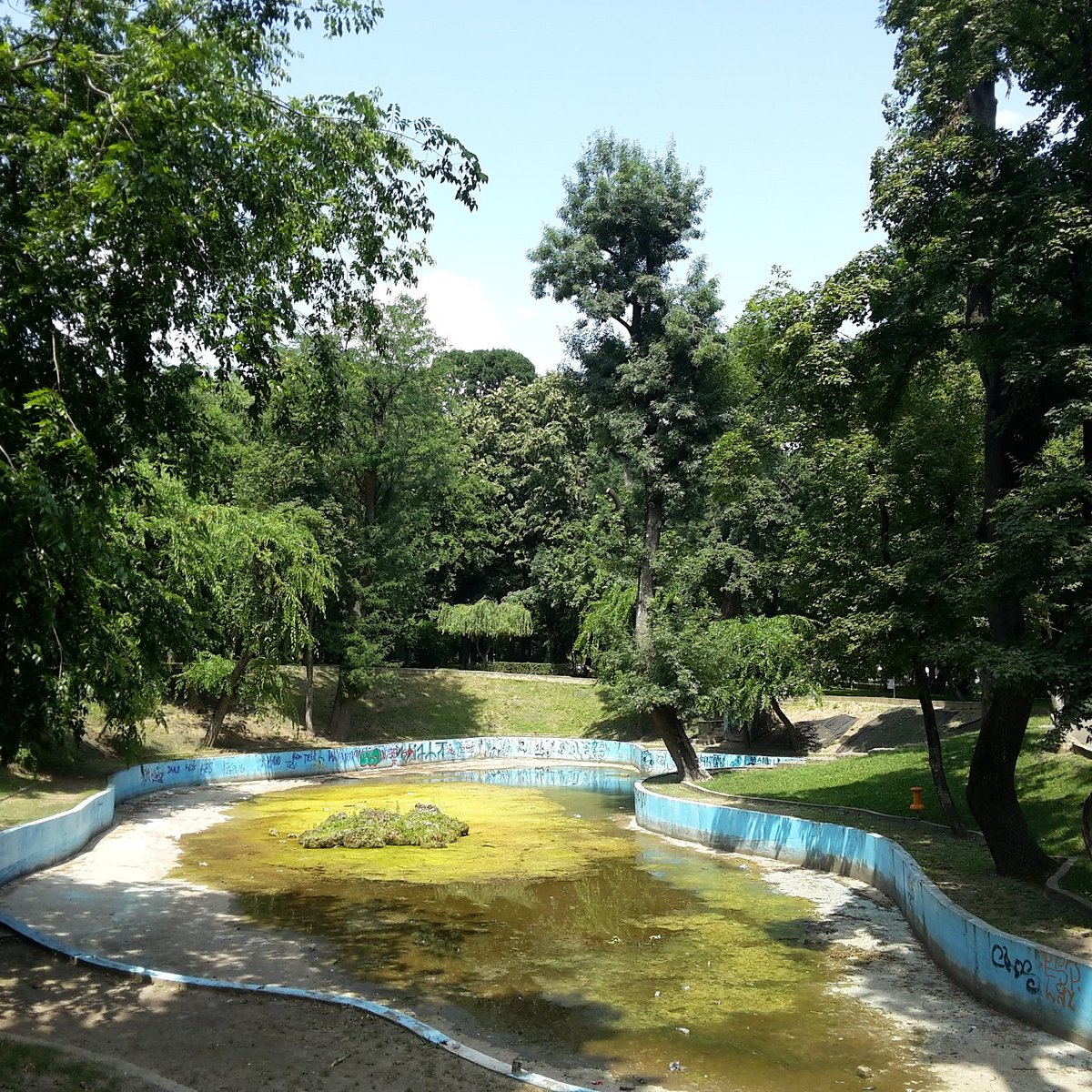
Kiseleff Park is one of the oldest public parks in Bucharest, laid out between 1832 and 1834 on the initiative of Russian general Pavel Kiseleff, governor of the Romanian Principalities during the Russian occupation, who also ordered the avenue of the same name to be cut through the forest north of the city. The landscape design was carried out by Wilhelm Mayer, the same landscape architect who designed Cișmigiu Park. The park covers an area of about 3.2 hectares (31,690 m²), along Kiseleff Avenue, one of the capital's landmark boulevards, in Sector 1. It only received its official name, "Kiseleff Park," in 1915.
The original design followed European Romantic style, with winding paths, varied vegetation, and open recreational spaces. Over time the park has undergone several modernization efforts while retaining its character as an urban green space. Its central path, lined with mature trees — mostly lindens and plane trees over 100 years old — forms the park's main axis, alongside statues and busts dedicated to cultural figures such as Nicolae Leonard, Ovid, and Barbu Ștefănescu Delavrancea.
At the southern end of the avenue stands the Arch of Triumph, a monument rebuilt in its current form in 1936, which together with the park forms a unified urban ensemble. Nearby stands the "Dimitrie Gusti" National Village Museum, founded in 1936 on 15 hectares, with more than 300 traditional buildings brought from every region of the country, as well as the "Grigore Antipa" Museum of Natural History and the National Museum of Geology. It is reached by public transport — bus and trolleybus along Kiseleff Avenue — or from Aviatorilor metro station. Worth visiting for its historical value, its centenary trees, and its proximity to major cultural landmarks in northern Bucharest.
Soseaua Kiseleff Bucuresti