
Attraction
Herăstrău Park (King Michael I Park)
Herăstrău Park (officially King Michael I Park of Romania), covering 187 hectares, is Bucharest's largest park, laid out between 1936 and 1939 by draining the marshes along the Colentina River. Its central lake covers about 74 hectares and is part of the Colentina lake chain. The park is home to the "Dimitrie Gusti" National Village Museum, founded in 1936, the country's most representative open-air collection of traditional Romanian architecture.
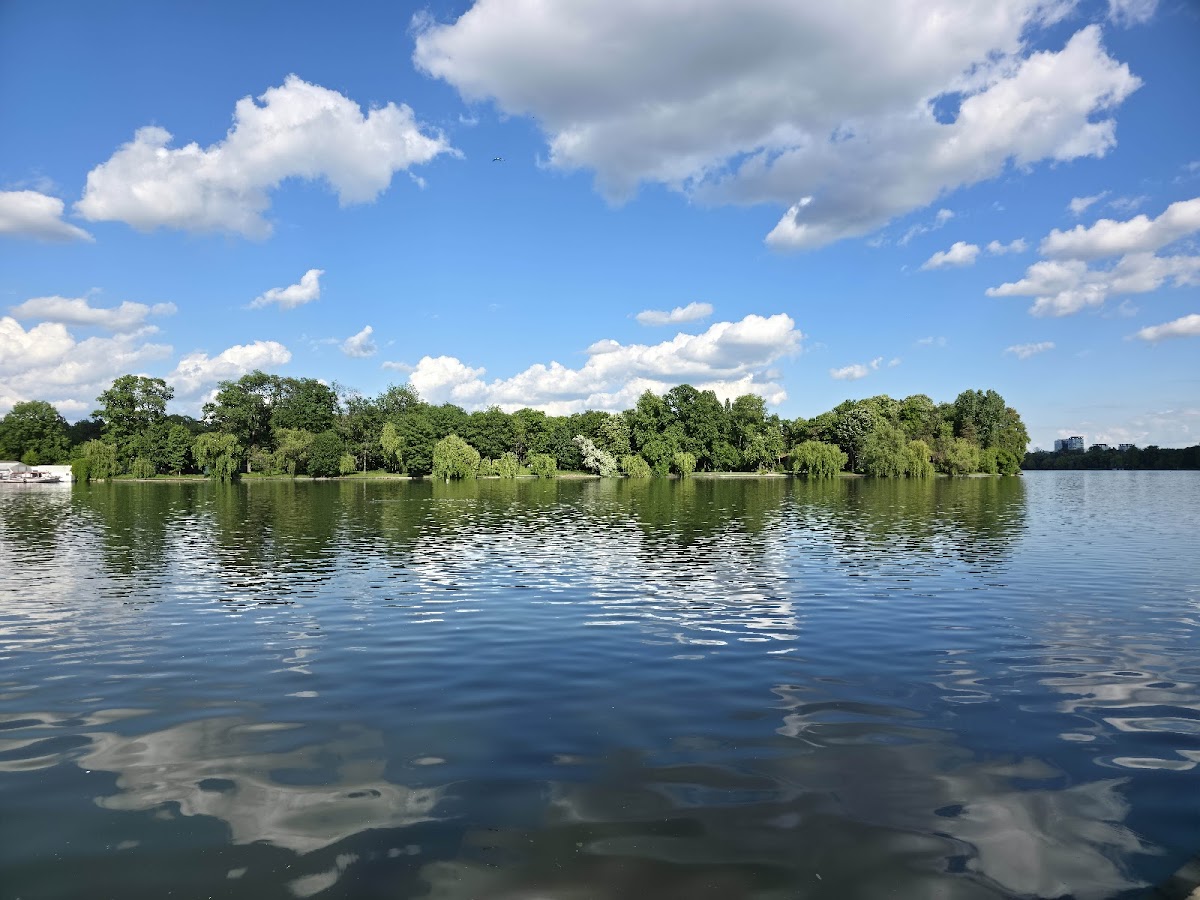
Herăstrău Park, officially named King Michael I Park of Romania, is Bucharest's largest park, covering roughly 187 hectares, of which Lake Herăstrău occupies about 74 hectares. The park lies in the northern part of the capital, along Kiseleff Avenue, extending the city's historic axis.
Until the 1930s, the area was a marsh formed by the branches of the Colentina River. Draining the marshes and regulating the watercourse to create the artificial lake took place between 1930 and 1936, under King Carol II, as part of a large-scale systematization project led by engineer Nicolae Caranfil. The park itself was designed by architects Ernest Pinard and Friedrich Rebhuhn (an Austrian landscape architect responsible for the plant composition), with the paths laid out by Romanian architect Octav Doicescu. Work was completed in May 1939, when the park officially opened, becoming the largest green space in Bucharest at the time.
Lake Herăstrău is part of the chain of man-made lakes on the Colentina River — a watercourse 101 km long in total, of which about 37 km runs through Bucharest's municipal territory, forming, besides Herăstrău, the lakes of Băneasa, Floreasca, Tei, and others. The park is home to the "Dimitrie Gusti" National Village Museum, founded in 1936, housing more than 300 traditional farmsteads, churches, and buildings brought from every ethnographic region of Romania — one of the world's first open-air ethnographic museums.
The park's vegetation includes deciduous species — oaks, lindens, plane trees, and chestnuts — planted systematically as part of the interwar landscaping project. Its infrastructure includes several kilometers of pedestrian and cycling paths, terraces, docks, and boat rentals on the lake. It is reached by metro to Aviatorilor or Aurel Vlaicu stations, or by surface public transport along Kiseleff Avenue. Worth visiting especially for the Village Museum, the country's most complete open-air collection of traditional Romanian folk architecture.
Soseaua Kiseleff Bucuresti