
Attraction
Palace of the Parliament (People's House)
The Palace of the Parliament in Bucharest, built between 1984 and 1997 on Arsenal Hill, is the world's second-largest administrative building by floor area (after the Pentagon) and its heaviest, with 365,000 m² of floor space and over 1,100 rooms. It was designed by architect Anca Petrescu and built almost entirely from Romanian materials. Worth visiting for its exceptional scale and its historical significance within European communist-era architecture.
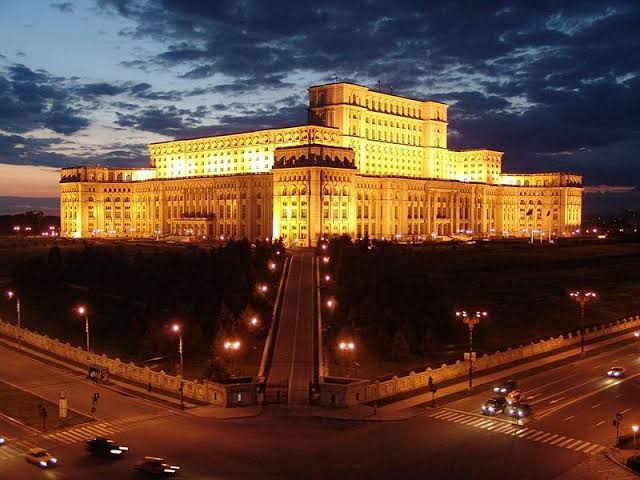
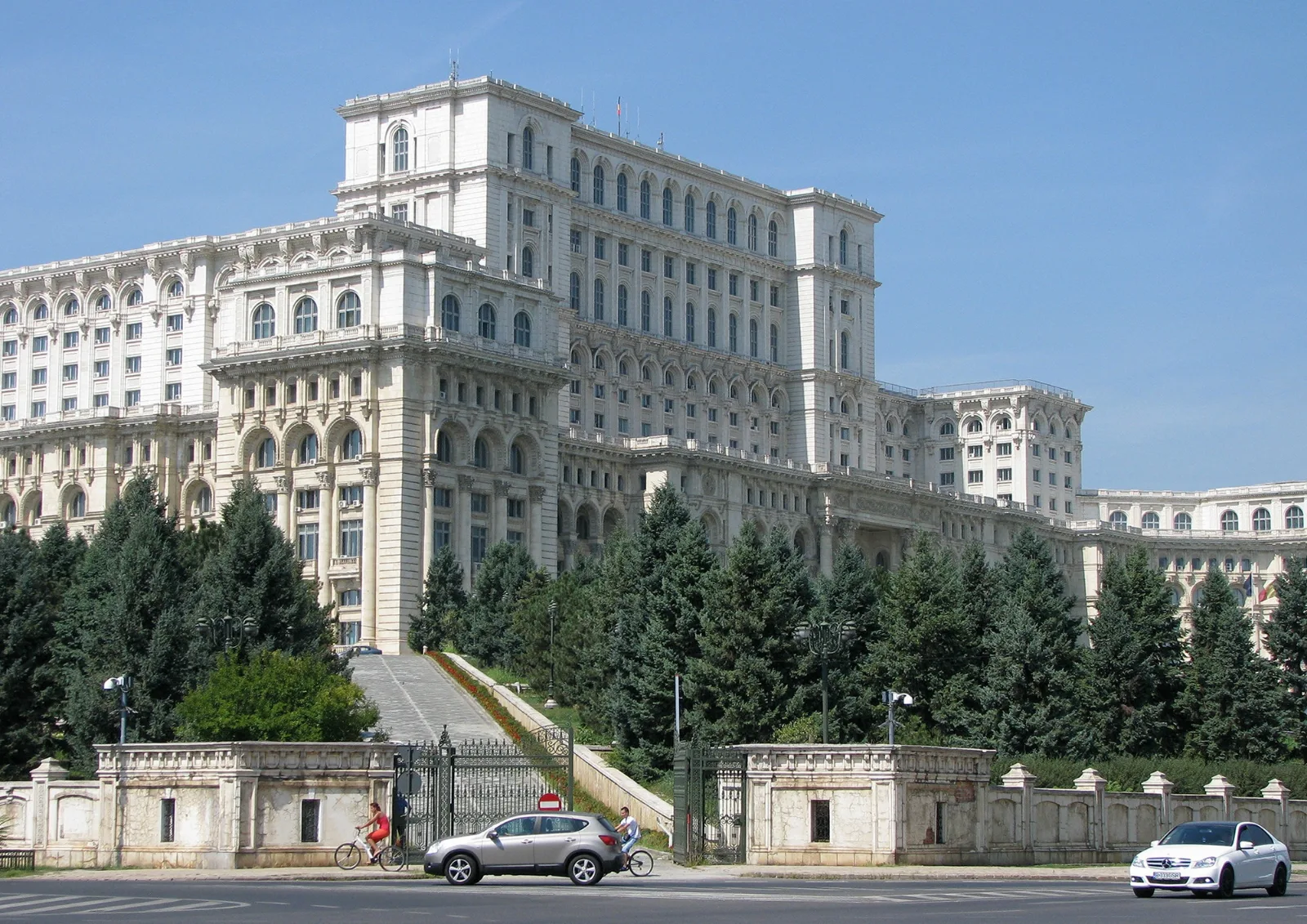
The Palace of the Parliament stands in Bucharest's 5th district, on Arsenal Hill, at 1 Calea 13 Septembrie. Construction began in 1984, ordered by Nicolae Ceaușescu, under the name "House of the Republic" (popularly known as "People's House"), and was only partly finished after the fall of the communist regime, with some areas still unfinished today. The project was won through a national competition by young architect Anca Petrescu, then just 28, who led a team of about 700 architects.
The building is the world's second-largest administrative building by floor area, after the Pentagon (and, since 2021, also surpassed by Thailand's Parliament building in Bangkok), as well as the heaviest and one of the most expensive administrative buildings in the world. It covers roughly 365,000 m², with 12 floors above ground, 8 below, and a height of 86 meters. The building contains over 1,100 rooms and offices, 4 restaurants, and 3 libraries. Almost exclusively Romanian materials were used: marble from Rușchița and Moneasa, oak, cherry, and walnut wood, crystal from Mediaș, and hand-woven carpets from Cisnădie.
The project required demolishing roughly 7 square kilometers of Bucharest's historic center — including Văcărești Monastery and other landmarks — and displacing more than 40,000 residents. The Chamber of Deputies has been housed in the building since 1994, and the Senate since 2004. Visitors can tour the building daily on guided tours, including its showcase halls and panoramic terrace. Worth visiting to grasp the scale of communist-era architectural and urban ambition, as one of the most thoroughly documented examples of architectural megalomania in modern European history.
Calea 13 Septembrie 1 Bucuresti