
Attraction
The Brâncovenesc Palace at Potlogi
The Brâncovenesc Palace at Potlogi is one of the most representative architectural ensembles of the Brâncovenesc style in Romania, located in the commune of Potlogi, Dâmbovița County. It was built in 1698 by ruler Constantin Brâncoveanu as a residence intended for his eldest son, Constantin. The ensemble comprises the palace itself, the church dedicated to Saint Dumitru, a fountain and a garden, and stands as a defining example of Brâncovenesc art, featuring carved decoration and characteristic floral motifs. Fully restored, it now operates as a museum and is listed as a historic monument of national importance.
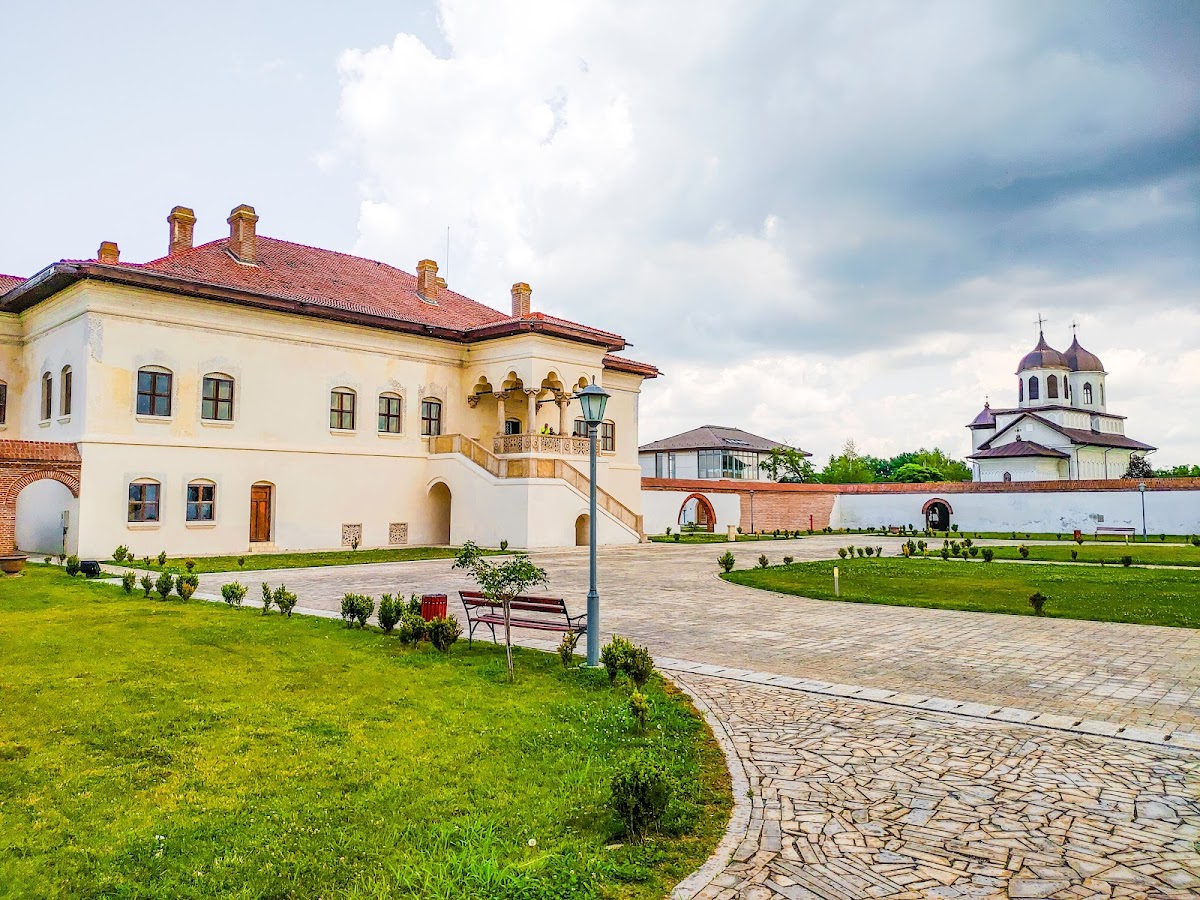
The Brâncovenesc Palace at Potlogi is one of the most representative architectural ensembles of the Brâncovenesc style in Romania, located in the commune of Potlogi, Dâmbovița County, in the plains area of northern Muntenia, approximately 45 km north-west of Bucharest. The ensemble was built from the ground up in 1698 at the initiative of the ruler of Țara Românească, Constantin Brâncoveanu, who intended the residence for his eldest son and presumptive heir to the throne, Constantin, as attested by the votive inscription on the southern façade of the palace. The building is a defining example of the Brâncovenesc style — a synthetic artistic phenomenon blending traditional local elements with Oriental and Western influences — characterised by arcades, carved columns, and floral and geometric motifs. The princely ensemble comprised the palace itself — an imposing building with a decorated façade flanked by columns —, the church dedicated to Saint Dumitru, founded by Brâncoveanu in 1683, a fountain, a garden, and various outbuildings, spread over an area of several thousand square metres. Over the centuries, the ensemble suffered significant deterioration and fell into disrepair, before being subsequently restored; extensive restoration works carried out between 2011 and 2015 returned the palace to its former appearance, furnishing it with objects from the heritage collection of the Complexul Național Muzeal Curtea Domnească in Târgoviște. Today, the ensemble operates as a museum, forming part of the "Drumul Brâncovenilor", and is listed as a historic monument of national importance, serving as an essential point of reference for understanding Brâncovenesc residential architecture from the late seventeenth century.
DJ711A, 137370 Potlogi