
Attraction
Letea Forest
Letea Forest is a 2,825-hectare strictly protected area of the Danube Delta Biosphere Reserve, on the Letea sand ridge, with oaks, poplars and ash trees covered in climbers, including Periploca graeca, which reaches its northernmost limit in Europe here. Entry into the interior is forbidden, but the ARBDD hiking trail near Letea village runs along its edge.
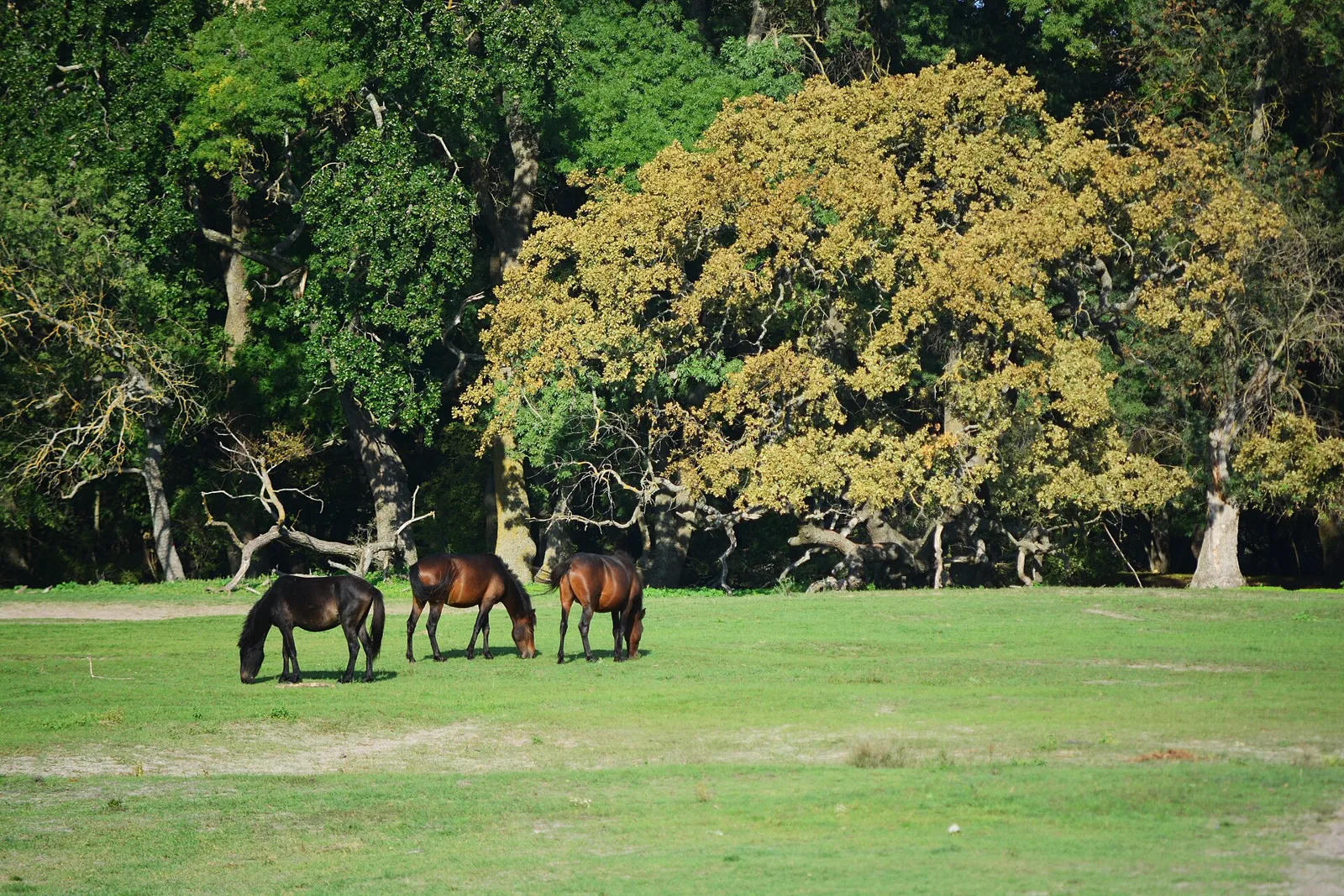
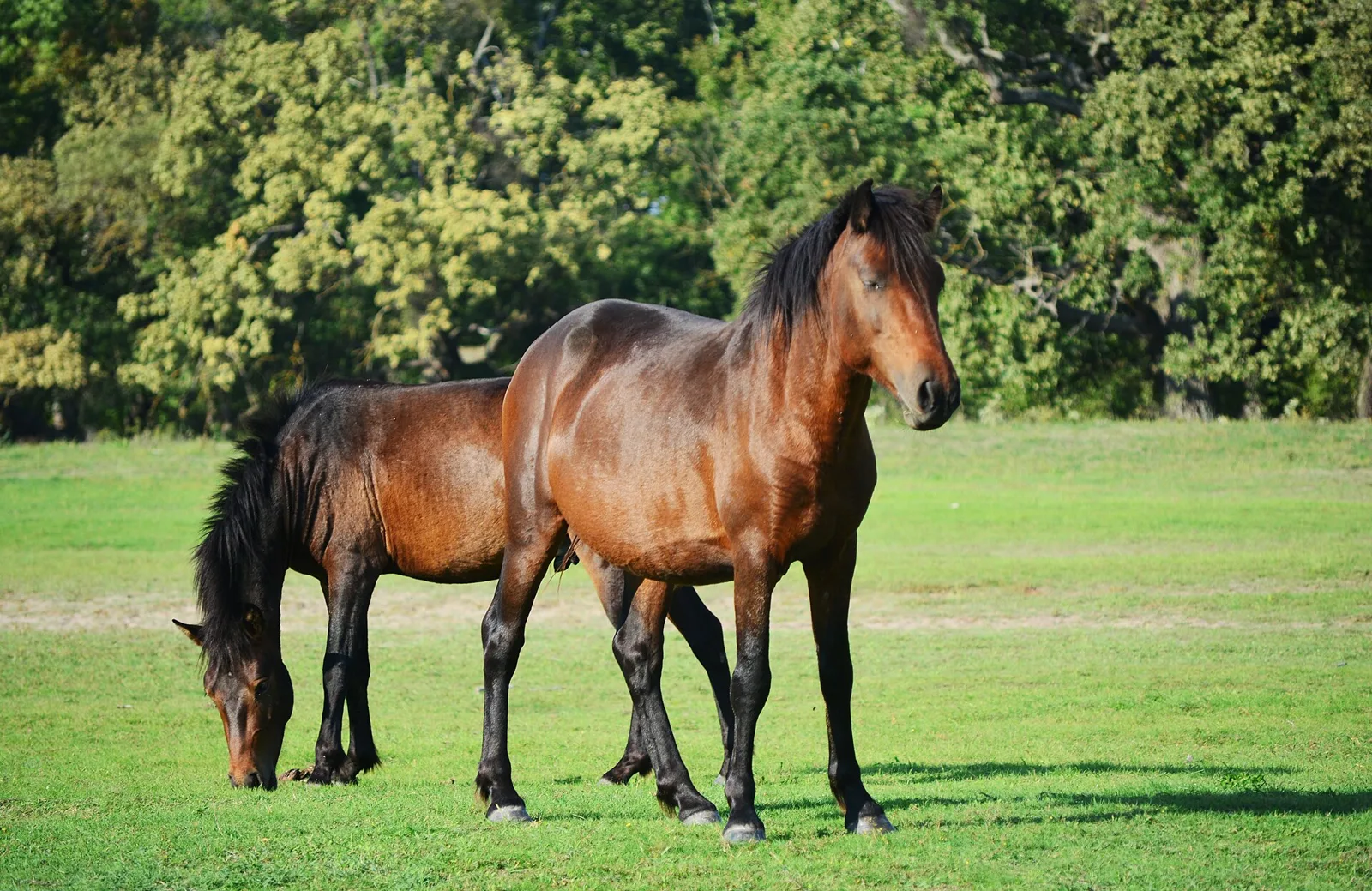
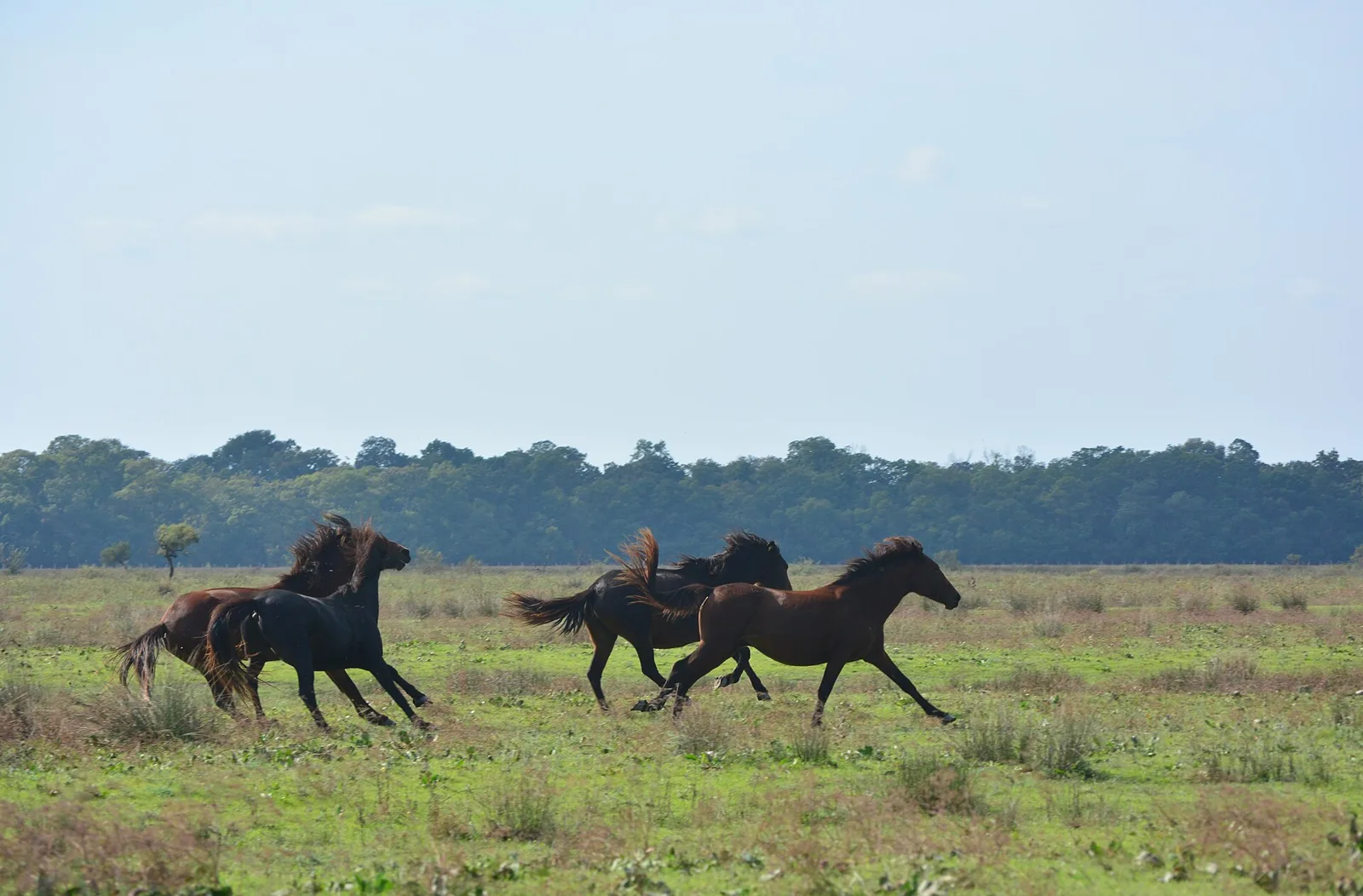
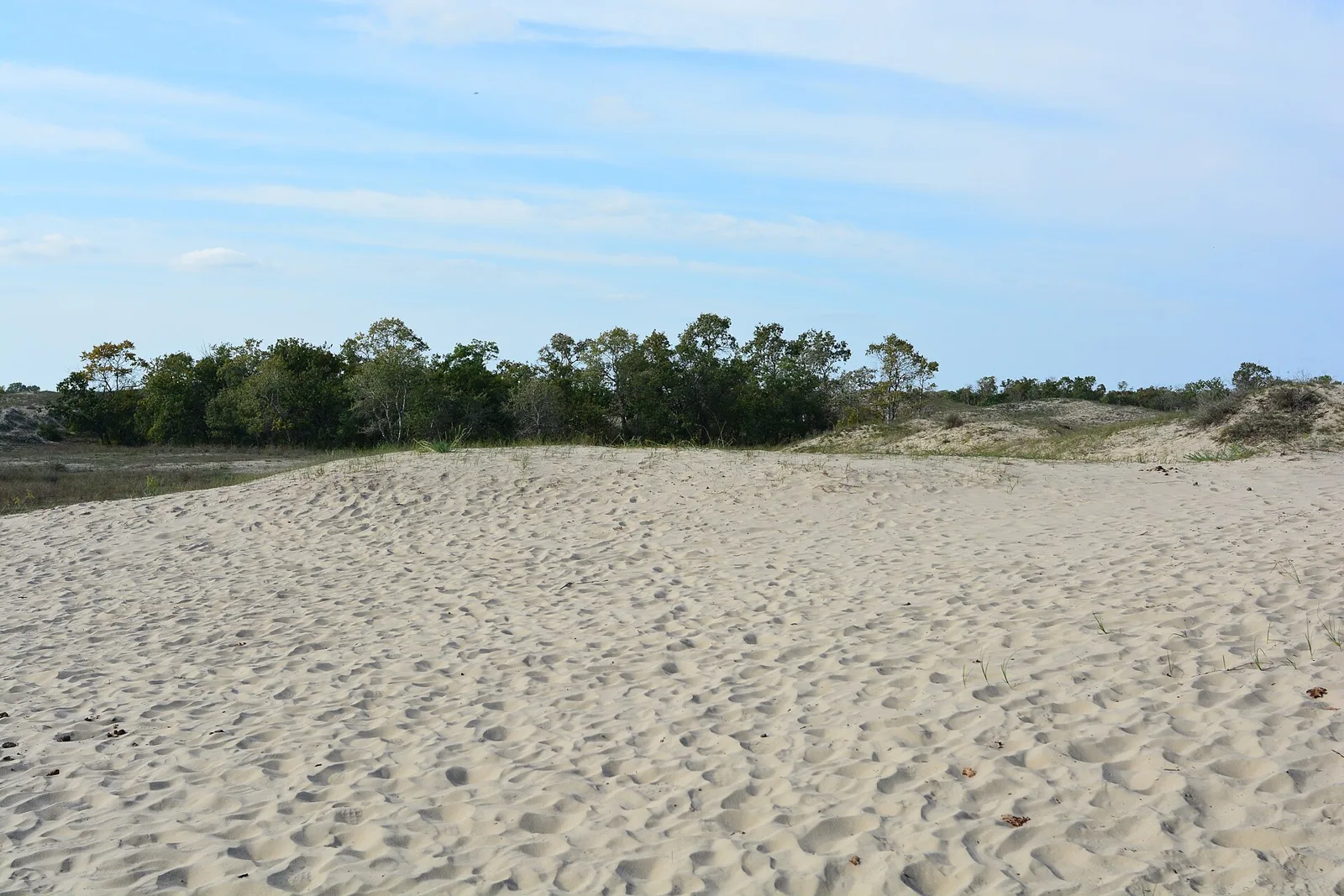
Foto: Joe Mabel, CC BY-SA 4.0, via Wikimedia Commons Galerie: Joe Mabel, CC BY-SA 4.0, via Wikimedia Commons; Joe Mabel, CC BY-SA 4.0, via Wikimedia Commons; Joe Mabel, CC BY-SA 4.0, via Wikimedia Commons
Letea Forest grows on the Letea sand ridge in the north-east of the Danube Delta, between the Chilia and Sulina branches, in C.A. Rosetti commune. It begins north of Letea village and is one of the 20 strictly protected areas of the Danube Delta Biosphere Reserve, covering 2,825 ha. The Letea ridge is a river and marine sand ridge of about 170 km², with sand dunes 3 to 10 m high; the forest grows in the elongated hollows between the dunes, called hașmacuri, in strips 10 to 250 m wide. Locals call it Hașmacul Mare Forest.
The forest was placed under protection in 1938, at the insistence of Romanian naturalists who had been studying it since the 1930s. The trees are pedunculate oak (Quercus robur), Quercus pedunculiflora, white and black poplar, narrow-leaved and Pallis's ash, wild pear, silver lime, elm and, very rarely, black alder, with a rich understorey of hawthorn, privet, spindle, cornelian cherry and guelder rose. The abundance of climbing plants (Periploca graeca, ivy, wild grape, hop and old man's beard) gives it a subtropical look. Rare plants include Convolvulus persicus, Merendera sobolifera and Ephedra distachya. According to ARBDD, the forest is home to the white-tailed eagle (Haliaeetus albicilla), a flagship species of the Danube, the red-footed falcon, hoopoe and European roller, two rare reptiles, the steppe-runner lizard (Eremias arguta) and the steppe viper (Vipera ursinii renardi), and some 1,600 identified insect species. ARBDD counts about 500 species of higher plants and 120 bird species, 70 of which may breed here. The ridge is also home to the Delta's semi-wild horses, descendants of horses turned loose by villagers, which harm the regeneration of the forest.
Entering the strictly protected area is forbidden. Legally, the forest can be seen from ARBDD hiking trail D1, Letea (Sfiștofca), Lake Nebunu, Letea, which starts in the village and, on the official map, follows the eastern edge of the protected area. Letea village, inhabited by descendants of Zaporozhian Cossacks (haholi), with reed-thatched houses, is linked to Sulina by a gravel road, and by water the area is also reached on ARBDD route 13, Sulina, Cardon Canal, Periprava. An ARBDD access permit is required for the reserve.
Letea Forest is a strictly protected area (IUCN category Ia) within the Danube Delta Biosphere Reserve, recognised as a UNESCO biosphere reserve (1990), a Ramsar wetland (1991) and a World Heritage Site (1991), and overlaps the Natura 2000 sites ROSCI0065 Danube Delta and ROSPA0031 Danube Delta and Razim-Sinoie Complex.
Did you know that the climber Periploca graeca, also called Greek silkvine, reaches its northernmost limit in Europe in Letea Forest? It is a woody Mediterranean plant with stems up to 20 m long, flowering from April to June with green to burgundy-red flowers.
Pădurea Letea, la nord de satul Letea, comuna C.A. Rosetti, județul Tulcea