
Attraction
Hoia-Baciu Forest
A mixed forest of about 3 km² on the western edge of Cluj, next to the Romulus Vuia Ethnographic Park. It is a walking area for the people of Cluj and has become known worldwide for stories of paranormal phenomena, mostly linked to Poiana Rotundă, for which there is no evidence.
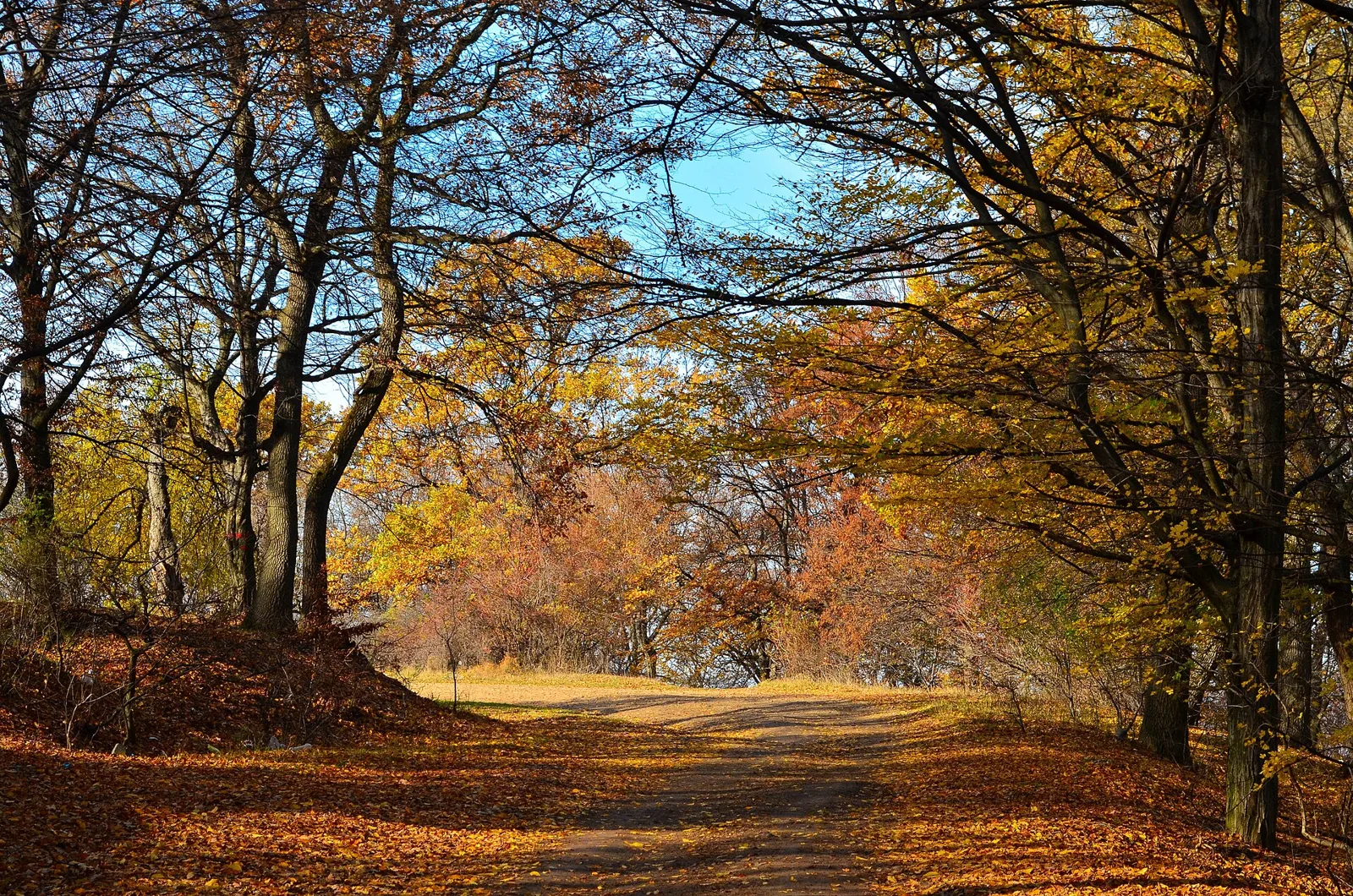
Foto: Miclaus George, CC BY 3.0, via Wikimedia Commons
The Hoia-Baciu Forest covers Hoia Hill in the west of Cluj-Napoca, between the Grigorescu district and Baciu commune. It is about 3 km² in area. To the east it is bordered by Tăietura Turcului Street, where the Romulus Vuia National Ethnographic Park stands, to the south by the ridge that drops towards the Someșul Mic river, and to the north-east by Valea Lungă, which forms the Baciu Gorge.
It is a mixed forest of downy oak, hornbeam, sessile oak, lime, maple, hazel, cornel, Scots pine, black pine and wild apple and pear trees. The forest became famous after the military technician Emil Barnea photographed in 1968, in Poiana Rotundă in the western part of the forest, what he claimed was a UFO. Since then many stories of paranormal phenomena have spread, and the forest has appeared in paranormal TV shows such as "Ghost Adventures" and "Destination Truth". There is no evidence that any of these stories has a real basis.
The people of Cluj use the forest for walking, running and cycling, and in recent years a bike park and grounds for other sports have been added. Access is free, along forest roads starting from Tăietura Turcului Street near the Ethnographic Park, or from Baciu. Poiana Rotundă lies in the western part, in Baciu commune.
An area of 12 ha of downy oak, on the south-western edge of the hill, is protected as the Natura 2000 site ROSCI0146 Pădurea de stejar pufos de la Hoia.
Dealul Hoia, vestul municipiului Cluj-Napoca (acces din strada Tăietura Turcului) și comuna Baciu, județul Cluj