
Attraction
The Town of Zlatna
Zlatna is a town with a thousand-year history in the heart of the Munții Metaliferi, Alba County, situated at an altitude of 425 m in the Valea Ampoiului. Known in antiquity by its Roman name Ampelum, the town was for centuries one of the most important gold-mining centres in Dacia and Transylvania, and today retains visible traces of this rich heritage.
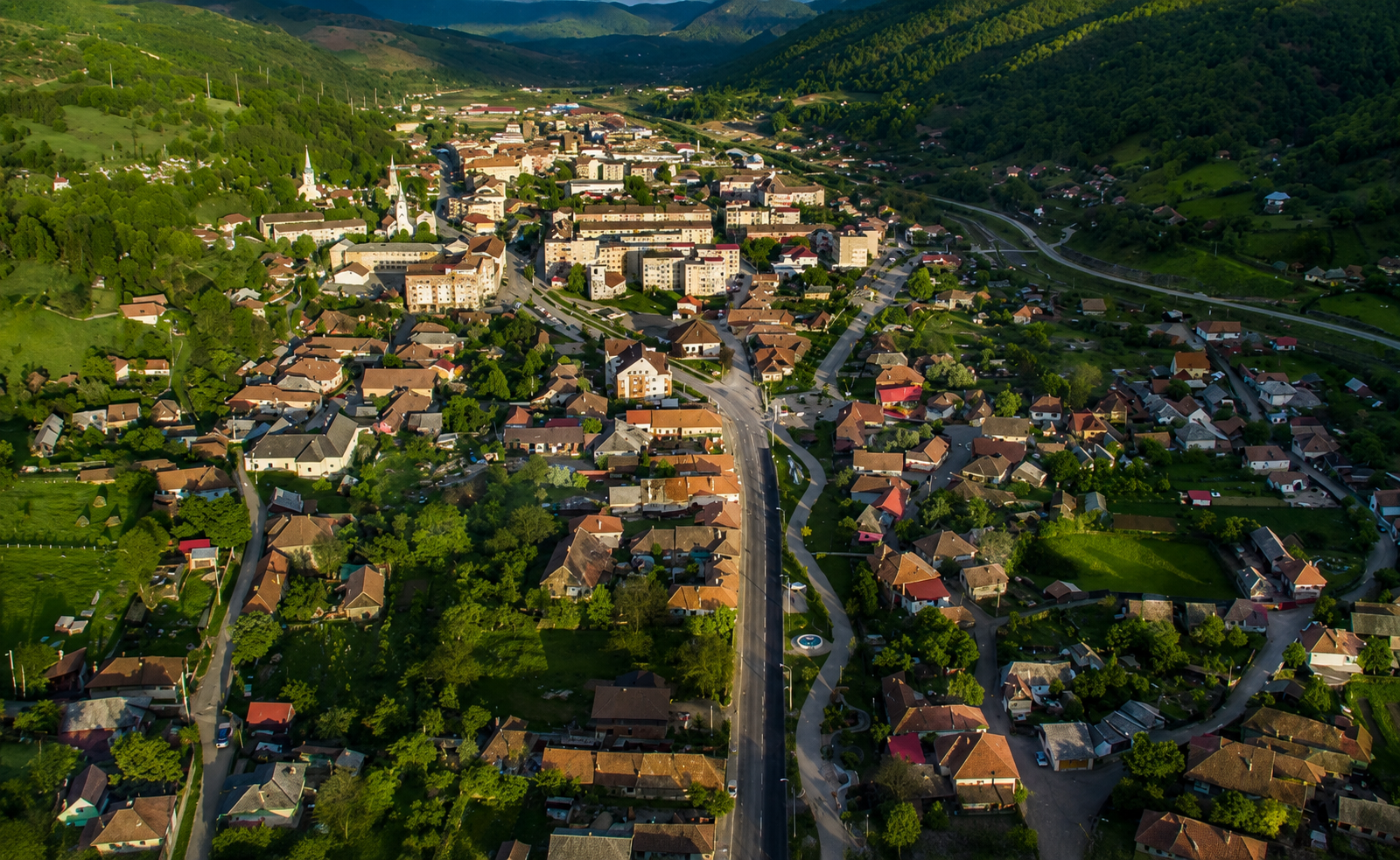
Zlatna — from German "Goldenmarkt", from Hungarian "Zalatna", from Latin "Ampelum" — is one of the oldest towns in Transylvania, located in the Depresiunea Zlatna, 36 km north-west of Alba Iulia, on the Valea Ampoiului, in the heart of the Munții Metaliferi. With a population of approximately 6,652 inhabitants and an area of 254 km², the town administers 18 villages scattered across the surrounding valleys and hills. The history of Zlatna stretches back into the mists of time — the Romans intensively exploited the area's gold resources, turning Ampelum into an important administrative and mining centre of the province of Dacia. Traces of the Roman presence remain visible today through the archaeological remains found in the area. Throughout the Middle Ages, Zlatna continued to be a centre of gold mining, attracting Saxon settlers and becoming an important commercial hub in Transylvania. Surrounded by the Munții Metaliferi and bordering Hunedoara County, the town is an ideal starting point for exploring remarkable natural and historical landmarks in the area: Detunatele, Cheile Ampoiței, Vârful Dâmbău, and numerous Roman archaeological sites. The Church of "Sfântul Nicolae și Nașterea Maicii Domnului" and the Church of the Dormition are representative historical monuments of the town.
Zlatna judetul Alba