
Attraction
Rădăuți
Rădăuți is the second largest town in Suceava County, with 24,292 inhabitants in 2021, lying in the Rădăuți Depression 37 km north-west of Suceava. The town is home to Bogdana Monastery, founded by Bogdan I and the first princely burial place of Moldavia, and to the Samuil and Eugenia Ioneț Ethnographic Museum, founded in 1934.
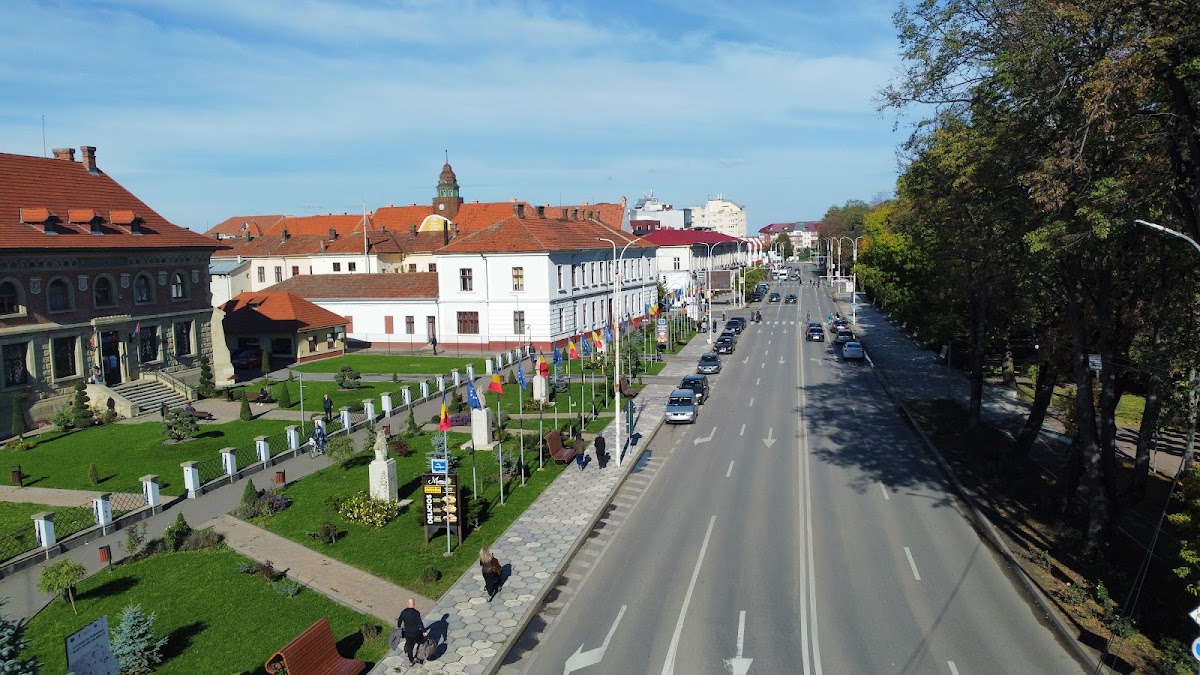
The town of Rădăuți lies in Bukovina, in the Rădăuți Depression, on the plain between the Suceava and Sucevița rivers, at an altitude of 374 m and 37 km north-west of Suceava. It covers 32.3 km² and had 24,292 inhabitants in 2021, making it the second largest town in the county; it was given municipality status in 1995. Until 1950 it was the seat of the former Rădăuți County. Road access is by the DN2H and DN17A, which branch off the E85, and the Dornești-Rădăuți-Putna railway opened in 1889.
The settlement is first recorded at the end of the fourteenth century, and under Bogdan I (1359-1365) the church of St Nicholas, now Bogdana Monastery, was built here; it is considered the oldest surviving masonry church in Moldavia. It served as the burial place of the first princes of Moldavia, from Bogdan I to the family of Alexandru cel Bun, and as the seat of the bishops of Rădăuți until the see moved to Chernivtsi after Austria annexed Bukovina in 1775. The fairs of Rădăuți are recorded under Stephen the Great, in a document of 1481. During the Austrian period (1775-1918) the town received many German settlers and had a large Jewish community, deported to Transnistria in October 1941.
Besides Bogdana Monastery (a class A historic monument), the centre preserves nineteenth and twentieth-century buildings on the List of Historic Monuments: the Orthodox cathedral of the Descent of the Holy Spirit, built in the park on Piața Unirii, the Roman Catholic church of the Nativity of the Virgin Mary (1823), the Jewish temple (1879), the Eudoxiu Hurmuzachi National College (1863) and the railway station (1889). The central park holds the equestrian statue of Bogdan Vodă and the monument to the heroes of the First World War.
The Samuil and Eugenia Ioneț Ethnographic Museum, at 63 Piața Unirii, was founded in 1934 and holds over 9,200 items, about 1,000 of them displayed in 11 rooms: glazed pottery from Rădăuți, Kuty, Păltinoasa and Siret, black pottery from Marginea, folk tools and technical installations, textiles, folk costume and icons. The homestead and workshop of the potter Constantin Colibaba (1875), at 8 Constantin Colibaba Street, is a historic monument.
Municipiul Rădăuți, județul Suceava