
Attraction
The Town of Panciu
Panciu is a town in Vrancea County, nicknamed "the wine town", and is the centre of the largest wine-growing area in the county — Podgoria Panciu (9,500 ha), which comprises the wine-producing centres of Panciu, Țifești and Păunești. The viticultural tradition is documented as far back as 1527, when the envoy of Ferdinand of Habsburg recorded the vineyards in the area then known as Podgoria Crucilor. The main attractions are the "Ștefan cel Mare" Cellars (17th century), a historic monument where sparkling wine produced by the Champenoise method is stored, and Mănăstirea Brazi with its underground chapel.
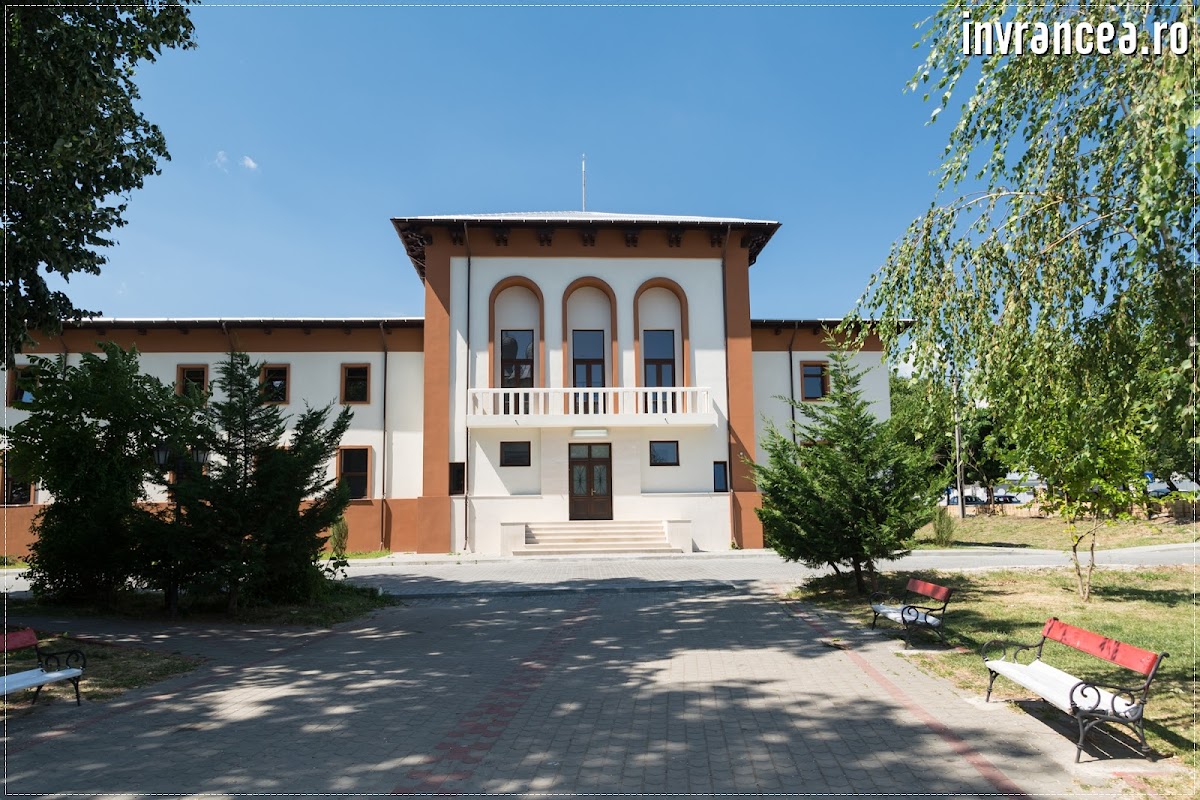
Panciu is a town located in Vrancea County, in the hilly area of the Subcarpații Moldovei, approximately 35 km north-west of Focșani, at an altitude of roughly 180 m, on the Zăbrăuți river, a tributary of the Milcov. It is the centre of Podgoria Panciu, the largest wine-growing area in Vrancea County, covering approximately 9,500 hectares and comprising three wine-producing centres of national importance: Panciu, Țifești and Păunești. Viticulture in the area is documented as far back as 1527, when Georg von Reicherstorffer, the envoy of Ferdinand of Habsburg to the ruler Petru Rareș, recorded the vineyards in the area then known as Podgoria Crucilor in his report. The town's main tourist attraction is the "Ștefan cel Mare" Cellars (a historic monument, LMI code VN-II-m-A-06545), cellars dating from the 17th century where sparkling wine produced by the Champenoise method is stored and aged — a rarity in Romania. Also in the town is Beciul Vlădoianu, a 19th-century historic monument built in the form of a brick-vaulted tunnel, and Crama Fritzman, both of which are open to visitors. On the outskirts of the town lies Mănăstirea Brazi, whose underground chapel houses the relics of Saint Teodosie de la Brazi, the patron saint of the town. Panciu is also home to the grave and statue of the writer Ioan Slavici, who lived in the area for a period, as well as a World War I Heroes' Monument. Favourable pedoclimatic conditions — sandy and calcareous soils, southern exposure, and mean annual temperatures of 10–11°C — support the production of quality white wines, particularly from Romanian varieties such as Fetească Albă, Fetească Regală, Șarbă and Băbească Neagră, alongside international varieties. The 1977 earthquake significantly affected the town's infrastructure, but the wine industry continued to develop. Access is available from Focșani via the DN2D road or by rail via the CFR network, with Panciu railway station connected to the Mărășești–Panciu line.
Panciu judetul Vrancea