
Attraction
Luduș
Luduș is a town in Mureș County, in the central part of the Transylvanian Plateau, on both banks of the Mureș and on the DN15 road, about 44 km south-west of Târgu Mureș. First recorded in the first half of the fourteenth century and declared a town in 1960, it had 14,757 inhabitants in 2021.
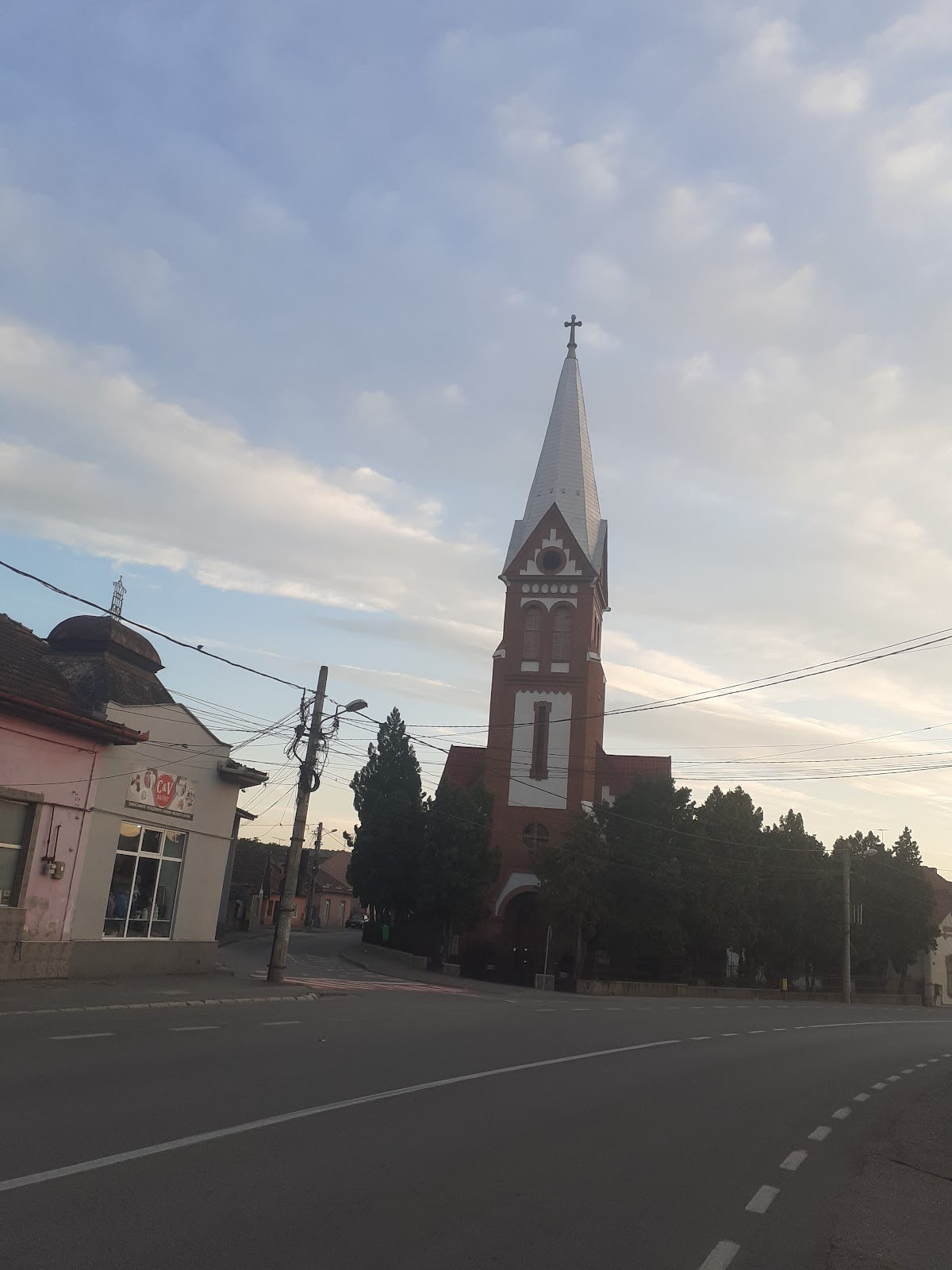
Luduș (formerly Ludoșul de Mureș, Marosludas in Hungarian) is a town in Mureș County, in the central part of the Transylvanian Plateau, on both banks of the Mureș river, about 44 km south-west of Târgu Mureș. The DN15 national road between Turda and Târgu Mureș runs through the town, which also includes the villages of Avrămești, Cioarga, Ciurgău, Fundătura, Gheja and Roșiori.
The first documentary mention dates from the first half of the fourteenth century (1330 or 1333, depending on the source), in the form Ludas. Between the two world wars Luduș was the seat of Luduș district in Turda County, and in 1960 it was declared a town. At the 2021 census it had 14,757 inhabitants, mostly Romanians, with a Hungarian community of almost a fifth of the population.
The most prominent building in the town is the Reformed Church, built in Neoclassical style at the end of the nineteenth century and renovated between 2007 and 2009; its tower is visible from the entrance to the town. The Reformed parish organises exhibitions, festivals and concerts. The town also has a Roman Catholic church, a war memorial and a copy of the Capitoline Wolf statue. On the grounds of the former sugar factory lies an archaeological site with settlements and cemeteries from the fourth-fifth and eleventh centuries (LMI code MS-I-s-B-15392).
In the village of Gheja, part of the town, stands the Bánffy Castle, on the edge of the village, built in the early nineteenth century and listed as a historic monument (LMI code MS-II-m-B-15680).
Luduș, județul Mureș