
Attraction
The City of Huși
Huși is a municipality in Vaslui County, located near the border with the Republic of Moldova, on the banks of the Huși stream, a tributary of the Prut, at an altitude of 70–120 m. First documented in 1494, the city is known for the foundation of Ștefan cel Mare — the Church of the Holy Apostles Peter and Paul, built in 1495, which in 1598 became an episcopal cathedral. Huși is also an important wine-growing centre, surrounded by the hills of the vineyard bearing the same name.
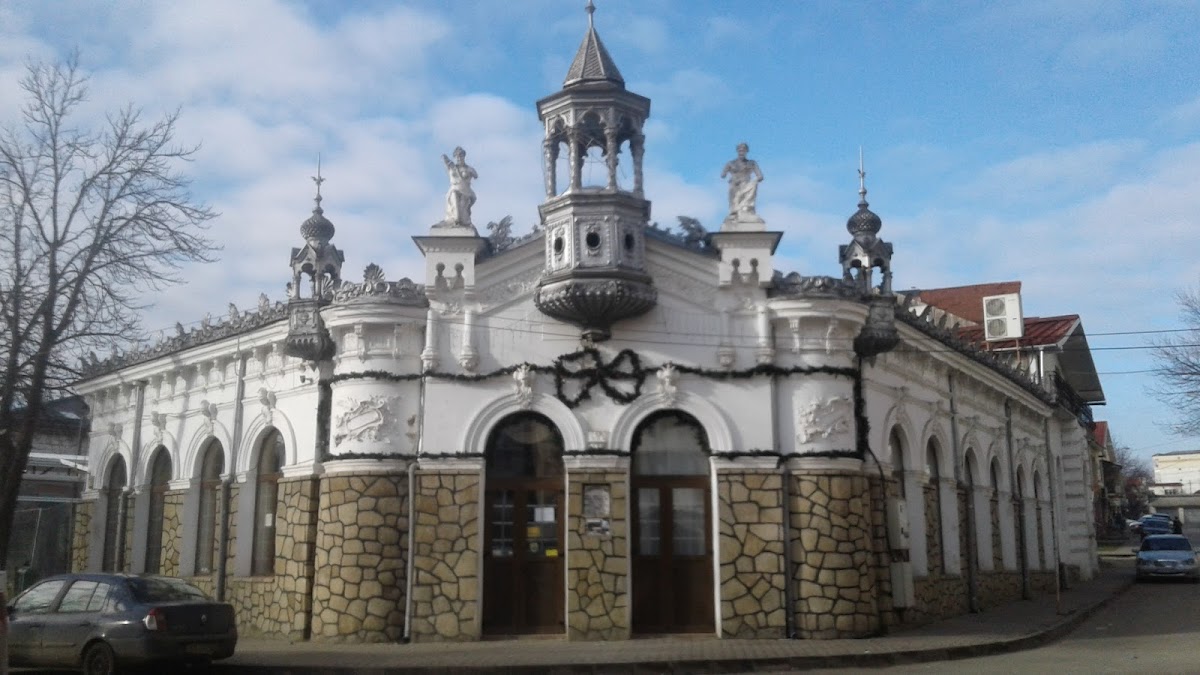
The municipality of Huși is located in the eastern part of Vaslui County, near the border with the Republic of Moldova, in the eponymous depression, at an altitude of 70–120 m, on the Huși stream, a tributary of the Prut. It lies approximately 45 km east-northeast of the municipality of Vaslui and around 40 km from Bârlad, along national road DN24. The first documentary attestation dates from 1494, in a document mentioning the road "that goes from Vaslui to Huși". In 1495, Ștefan cel Mare founded the Church of the Holy Apostles Peter and Paul here, which in 1598, during the reign of Ieremia Movilă, became an episcopal cathedral — one of the oldest Orthodox bishoprics in Moldova. The episcopal palace was built between 1782 and 1792. In 1711, the Battle of Stănilești took place near the city, as part of the Ottoman campaign against Peter the Great, an event with significant consequences for the history of Moldova. The city is surrounded by the hills of Podgoria Huși, one of the oldest wine-growing areas in Moldova, with a centuries-long tradition of producing wines from native varieties such as Zghihara de Huși and Busuioaca de Bohotin. The main tourist attractions include the Episcopal Cathedral, the Municipal Museum, the Museum of Viticulture, and the Memorial Museum "Dimitrie Cantemir".
Husi judetul Vaslui