
Attraction
Gherla Historic Centre
Gherla was built in the 18th century by Armenian settlers, following a regular plan, and was known as Armenopolis. The historic centre keeps Baroque houses, the Armenian Catholic cathedral on Libertății Square, the Solomon Church and the History Museum.
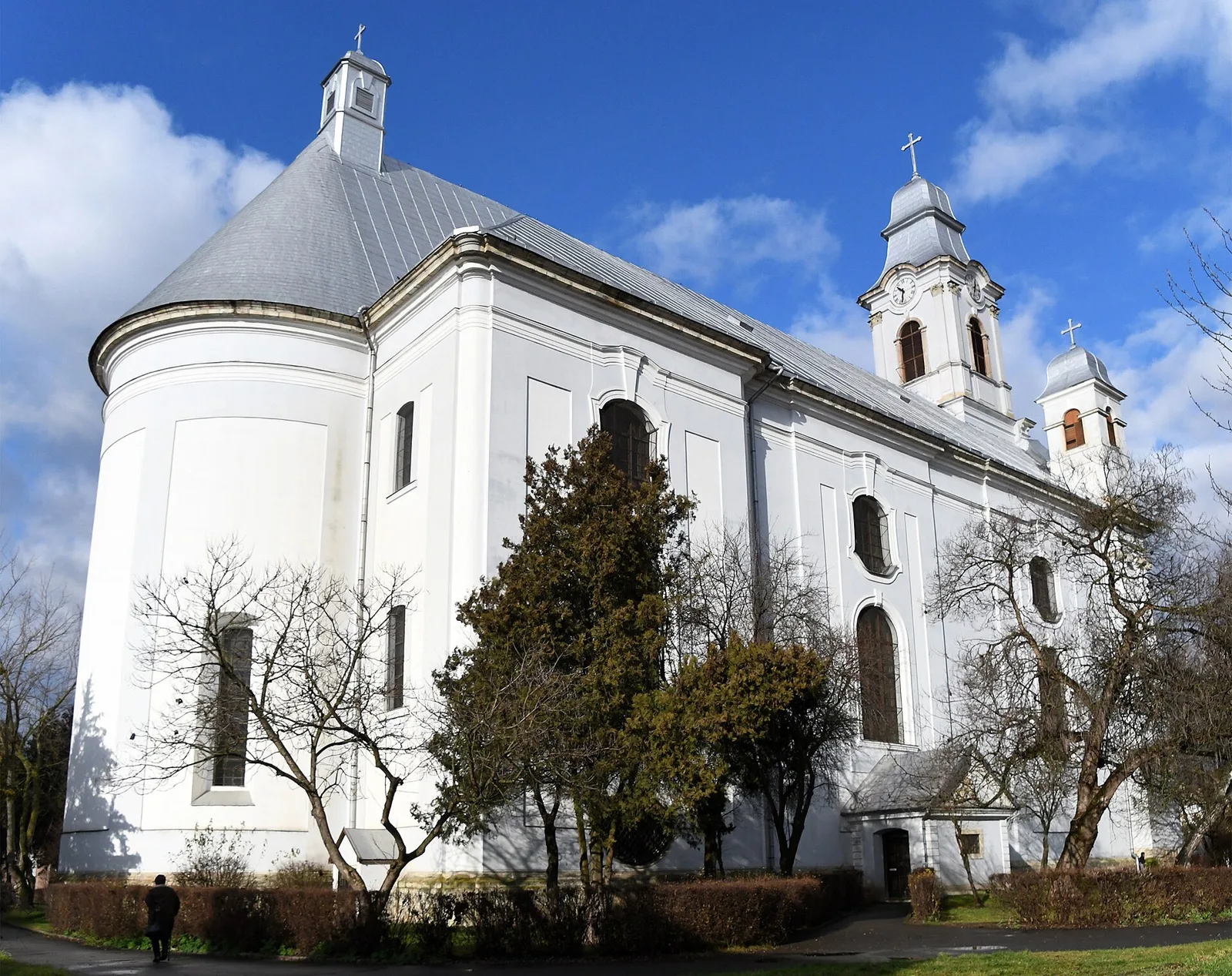
Foto: Pasztilla aka Attila Terbócs, CC BY-SA 4.0, via Wikimedia Commons
The historic centre of Gherla is the protected urban ensemble of the city of Gherla, in the north of Cluj County, on the right bank of the Someșul Mic river, on the DN1C road between Cluj-Napoca and Dej. It is laid out around Libertății Square, home to the Armenian Catholic Cathedral of the Holy Trinity.
The settlement is first recorded in 1291, as Gerlahida. In 1540, on the orders of Bishop George Martinuzzi, a fortress was built here; in 1785 Emperor Joseph II turned it into the central prison of Transylvania. The present town was built in the 18th century by Armenian settlers from Moldavia, following a regular plan, and was known as Armenopolis.
The streets of the centre keep many Baroque houses from the 18th century, listed as historic monuments. The Armenian Catholic cathedral was raised in the second half of the 18th century and completed in the early 19th century. The Armenian Catholic Solomon Church, from 1723-1724, is the oldest Armenian church preserved in the town; its late Gothic portal was brought from the Reformed church in Unguraș. The Franciscan friary stands on Bobâlna Street, and the History Museum is housed in the Karácsonyi House at 6 Mihai Viteazul Street. The Martinuzzi Fortress cannot be visited: it is the Gherla Penitentiary.
The urban ensemble "Centrul istoric al orașului Gherla" is a historic monument, LMI code CJ-II-a-A-07623. The Armenian Catholic cathedral has code CJ-II-m-A-07647, the Solomon Church CJ-II-m-B-07644, the Karácsonyi House CJ-II-m-A-07653 and the Martinuzzi Fortress CJ-II-m-B-07658.
Did you know that the Armenian Catholic cathedral of Gherla holds the painting "The Descent from the Cross", attributed to Rubens or his workshop? According to local tradition, the painting was given to the Armenian community by Emperor Francis I of Austria, from the imperial galleries in Vienna.
Piața Libertății, municipiul Gherla, județul Cluj