
Attraction
The City of Focșani
Focșani, the capital of Vrancea County, is the only city in Romania that was physically divided by the border between two states — Moldova and Țara Românească — and reunified by the very political act it commemorates. The border ran along what is now Cuza Vodă Street, through the middle of the city. Piața Unirii, with the Obeliscul Unirii, the Borna de Hotar boundary stone, the Church of Saint John the Baptist (1661) and the Ateneul Popular "Maior Gheorghe Pastia", forms the most concentrated ensemble of historical monuments related to the formation of the modern Romanian state anywhere in the country.
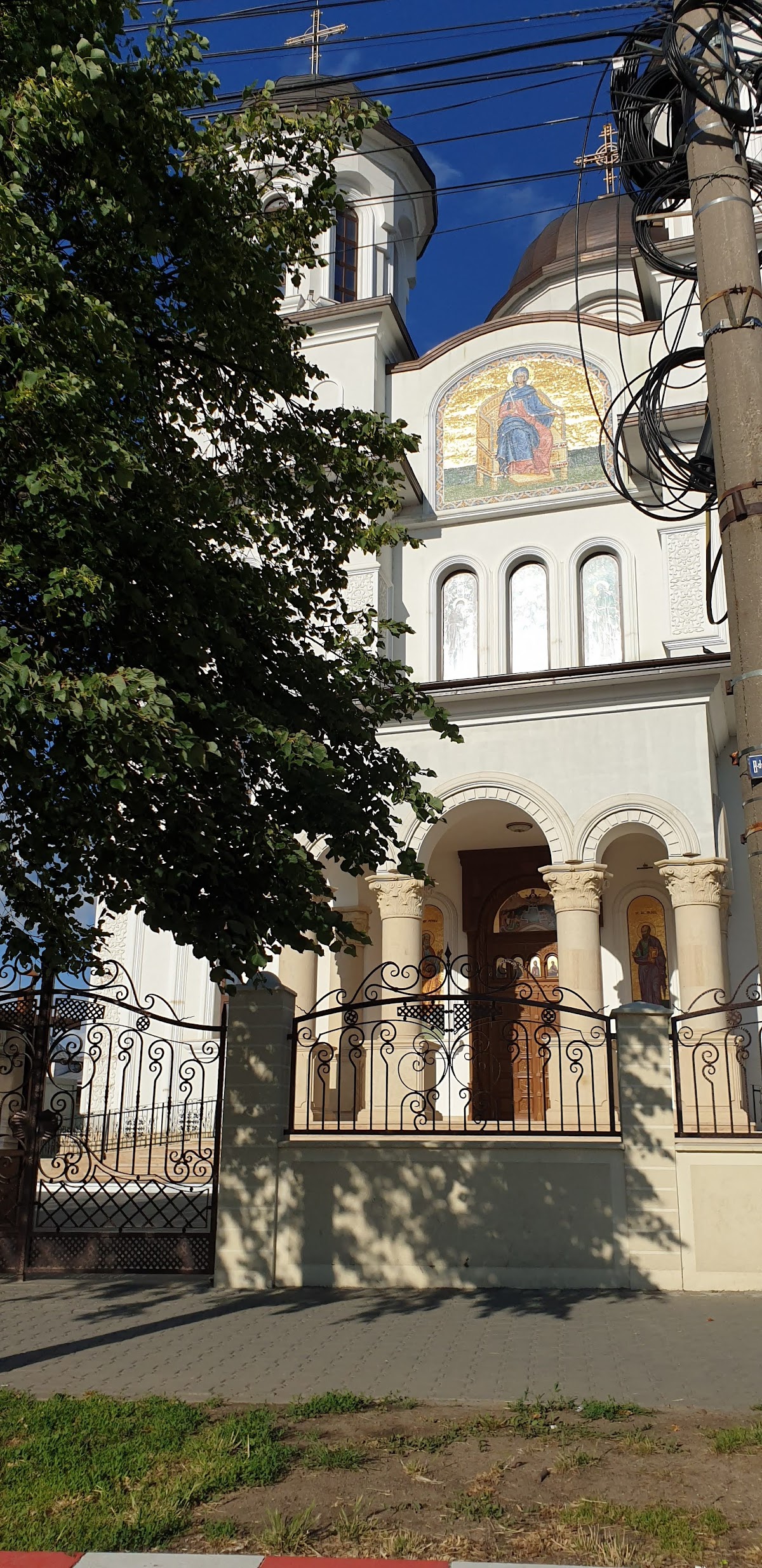
Focșani is the seat municipality of Vrancea County, situated at the confluence of the historical regions of Moldova and Muntenia, on the bank of the Milcov River, at an average altitude of 60 m. With a population of over 70,000 inhabitants, it is the largest urban centre in Vrancea and an important road and rail communications hub — crossed by European railway corridor no. 9 (Helsinki–Moscow–Chișinău–Bucharest–Plovdiv) and by the A7 motorway, currently under completion. The city's unique historical distinction is that the border between Moldova and Țara Românească ran physically through its middle, along what is now Cuza Vodă Street, dividing Focșani into "Focșanii Moldovei" and "Focșanii Munteniei", each with its own administration, police and customs. Administrative reunification took place on 10 July 1862 by decree of Alexandru Ioan Cuza. Between 1859 and 1862, Focșani hosted the Central Commission — the first joint parliament of the United Principalities — which drafted the principal laws of the new state, including the Constitution. The main tourist attractions are concentrated around Piața Unirii: the Borna de Hotar — the stone that marked the border, inaugurated in 1931 in the presence of historian Nicolae Iorga, who was Prime Minister at the time; the Obeliscul Unirii, a work by sculptor Ion Jalea, featuring 85 bronze figures; the Church of Saint John the Baptist, founded in 1661 by Grigore Ghica, ruler of Țara Românească, the sole surviving remnant of a former monastery; and the Ateneul Popular "Maior Gheorghe Pastia", built between 1926 and 1927 entirely funded by the donation of Major Pastia — "I am sacrificing all the savings gathered over 40 years" — who also donated 300,000 lei towards the Municipal Theatre, inaugurated in 1913. The theatre is distinguished by a splendidly decorated interior dome, with architectural features reminiscent of theatres in Berlin and Odessa. Other notable attractions include: the Cathedral of "Sfânta Cuvioasă Parascheva" — a monumental white structure with stone lacework and Gothic columns, built after a Greek Orthodox model, with a carved wooden interior featuring grape motifs; the Casa Anghel Saligny — the residence of the engineer who designed the bridge at Cernavodă and was the first in the world to use reinforced concrete at the docks in Brăila; and the former Putna Prefecture building, a listed historical monument constructed between 1913 and 1926 in traditional Romanian style. Focșani is also the capital of Vrancea's three renowned wine-growing areas — Panciu, Odobești and Cotești — and the annual host of the International Vine and Wine Festival "Bachus", the most important wine competition in Romania.
Focsani judetul Vrancea