
Attraction
The City of Cernavodă
Cernavodă is a Dobrogean town situated on the bank of the Danube at river kilometre 299, known as the site of Romania's only nuclear reactors, as well as for the archaeological discoveries of the Hamangia culture (c. 5,500–4,500 BC). The town also marks the intersection of the Danube with the Danube–Black Sea Canal, a 64.2 km hydraulic engineering project inaugurated in 1984, which connects the Danube basin with the Pontic coastline.
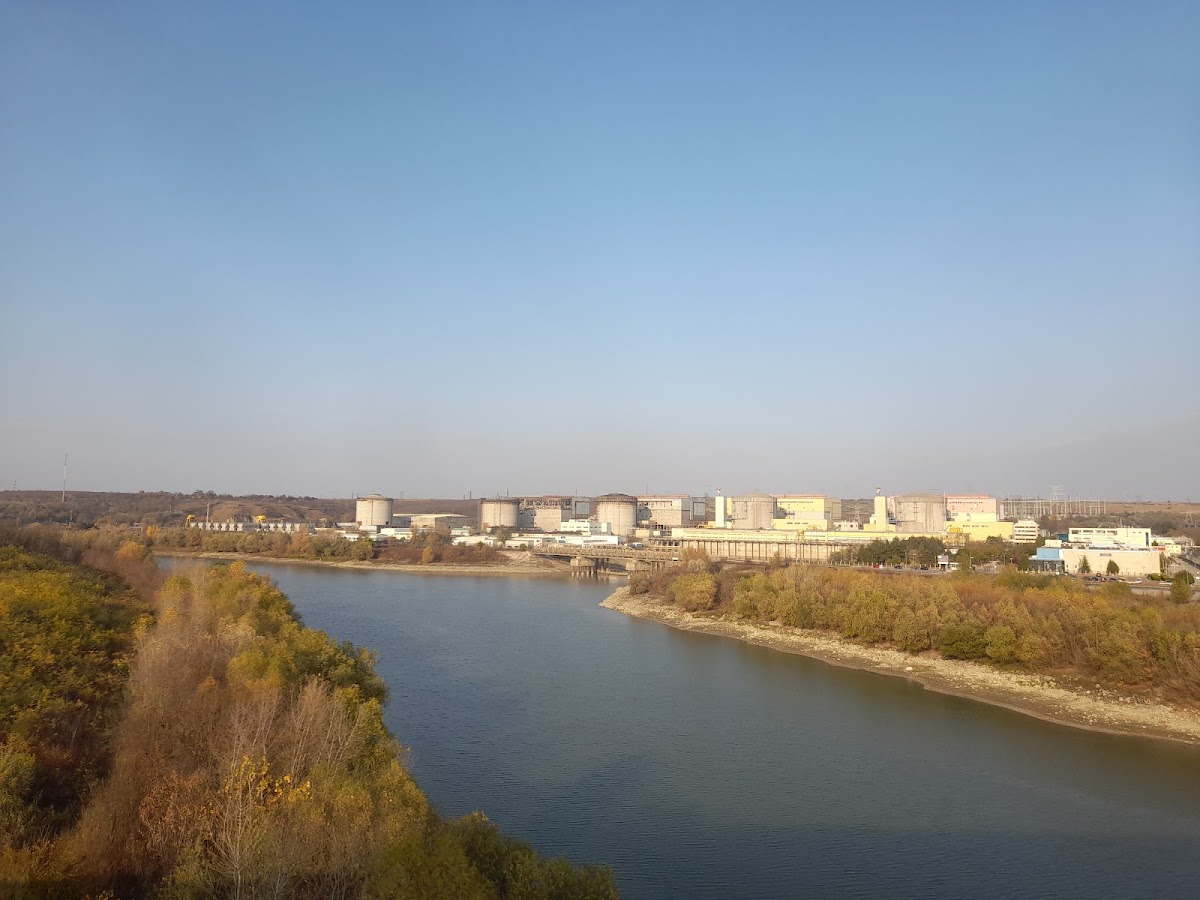
Cernavodă is a town located in Constanța County, on the right bank of the Danube at river kilometre 299, in the area where the river crosses the Podișul Dobrogei. The town has a population of approximately 18,000 inhabitants and is known primarily as the site of the Cernavodă Nuclear Power Plant, Romania's only nuclear power station, whose two CANDU reactors of 700 MW each supply approximately 18–20% of the country's electricity output. Construction of the plant began in 1980, with Unit 1 entering service in 1996, followed by Unit 2 in 2007. From an archaeological standpoint, the Cernavodă area is of particular significance: it is here that the Hamangia culture was discovered, dating from the Middle Neolithic period (approximately 5,500–4,500 BC), celebrated for the figurines known as "The Thinker" and "The Sitting Woman", currently on display at the National History Museum of Romania in Bucharest. The town is also crossed by the Danube–Black Sea Canal, inaugurated in 1984, which has a total length of 64.2 km and reduces the maritime transport distance by approximately 400 km compared to the route via the mouths of the Danube. It is worth visiting for the remarkable engineering infrastructure represented by the navigable canal and for the Neolithic archaeological sites of European significance. Cernavodă is also the location where the Danube is crossed by the Podul Anghel Saligny, inaugurated in 1895 by King Carol I — at the time of its construction, the third longest metal bridge in the world and the longest in continental Europe, with a central span of 190 m. The bridge, built 30 m above the water to allow the passage of vessels with tall masts, remains operational after 130 years and is a Category A listed historical monument.
Cernavoda judetul Constanta