
Attraction
The Union Museum of Focșani
The Union Museum in Focșani is housed in the oldest building in the city — the former Han and Hotel "Cimbru", constructed in the second half of the 18th century directly on the border between Moldova and Muntenia, next to border post no. 45. Inaugurated as a museum in 2008, the building hosted between 1859 and 1862 the proceedings of the Central Commission, the first joint parliament of the United Principalities, which drafted, among other things, the Constitution of the modern Romanian state. Mihail Kogălniceanu and other members of the Commission actually resided in this building during that period.
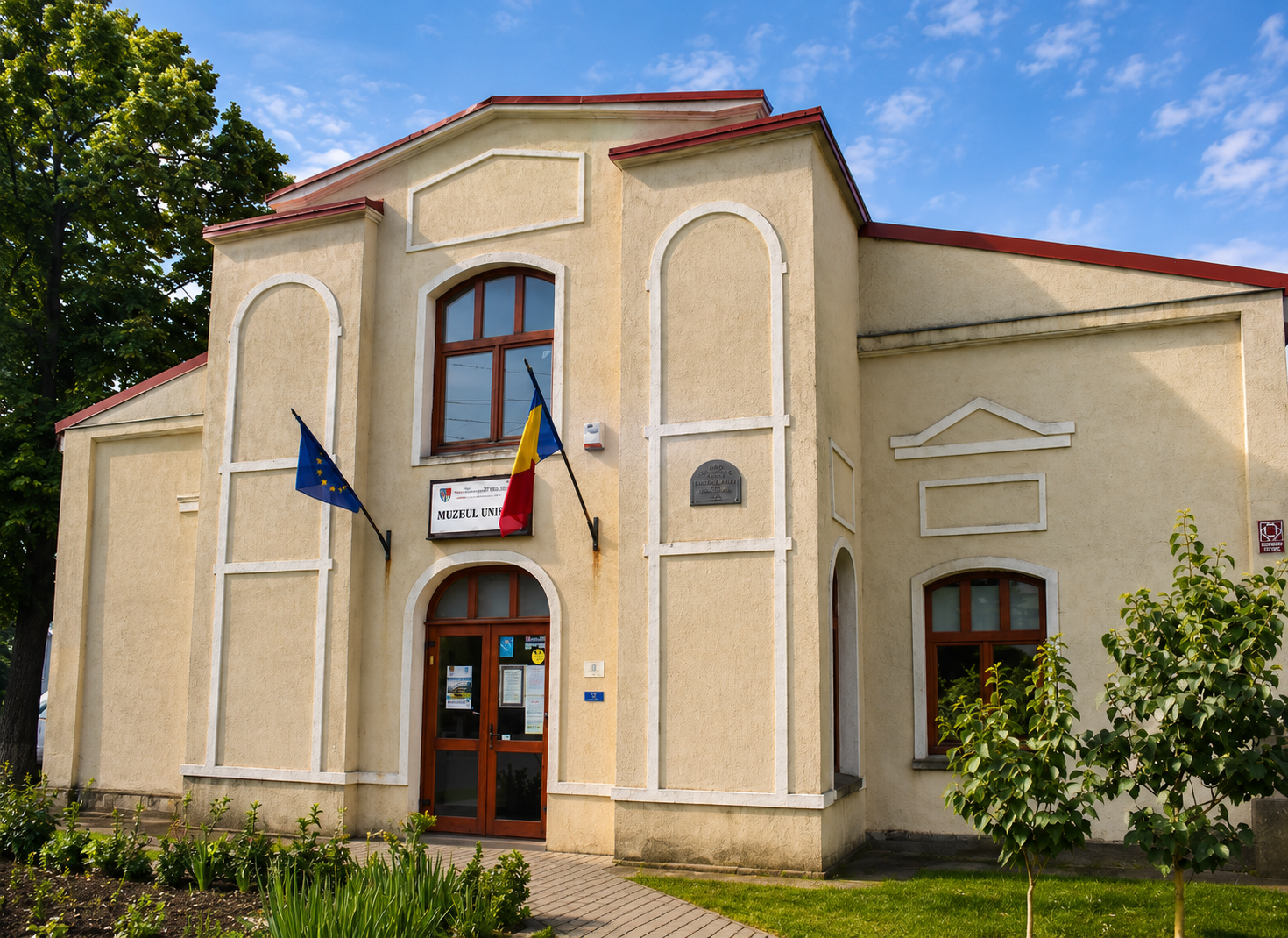
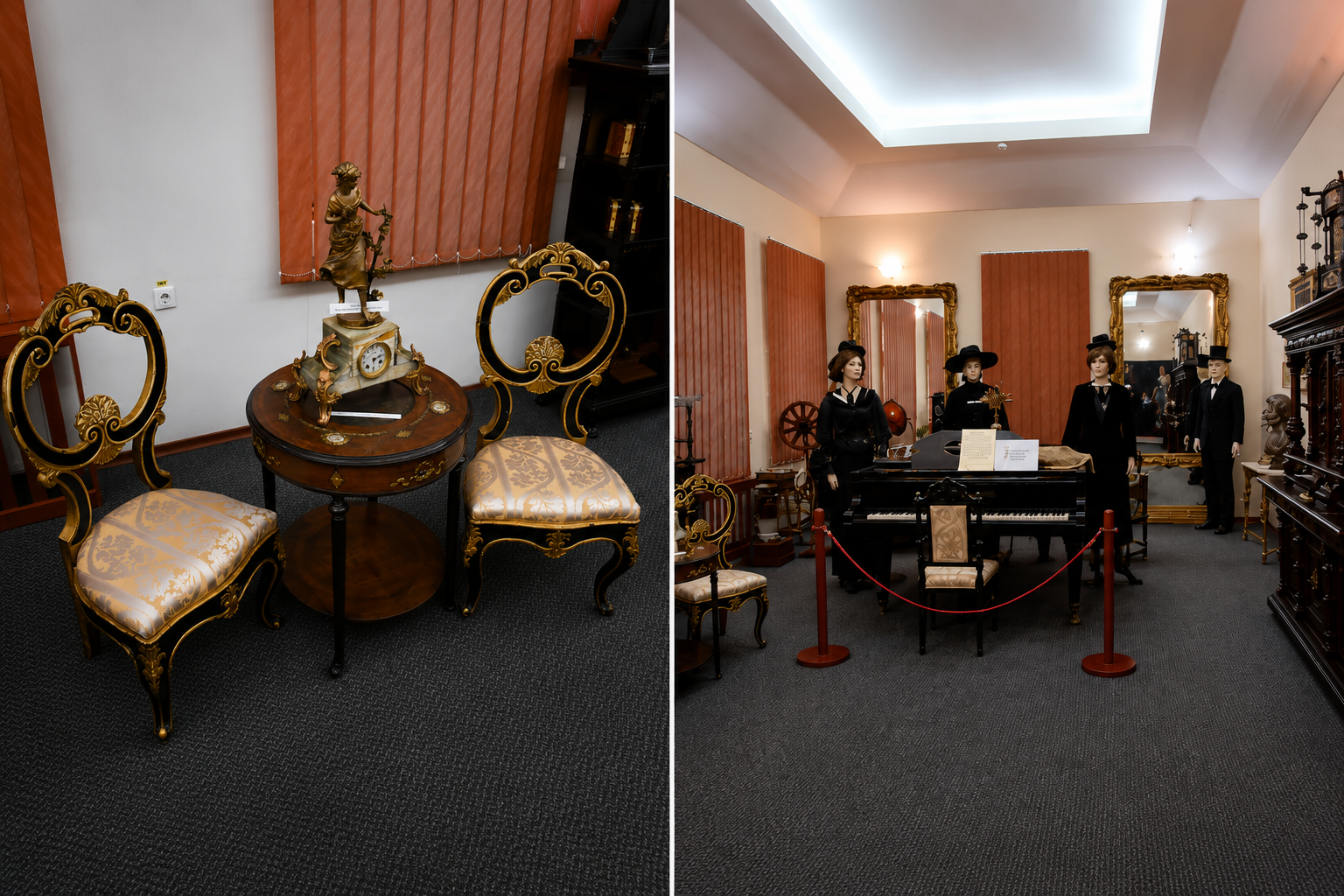
The Union Museum in Focșani is a branch of the Muzeul Vrancei, inaugurated in 2008 in the oldest preserved building in the city, located at 30 Strada Republicii. The building was constructed in the second half of the 18th century as an inn, strategically positioned on the border between Moldova and Muntenia, in the immediate vicinity of border post no. 45 — the point where the boundary between the two principalities crossed the city of Focșani. Over the years the building served as an inn, then as the Hotel "Cimbru", the headquarters of the Officers' Corps of the Focșani Garrison, and the Romanian Post Office — Putna Branch. Its most significant moment, however, remains the period 1859–1862, when it housed the members of the Central Commission — the first joint parliament of the United Principalities, established by the Convention of Paris of 1858. It was here that the principal common laws of the new state were drafted: legal, political, administrative, cultural and economic, including the Constitution of the United Principalities. Mihail Kogălniceanu, Vasile Melinescu, Nicolae Golescu and other leading political figures of the era lived and worked in this building. The museum's collections include original documents, publications, objects and photographs relating to the elections for the Ad-Hoc Assemblies and their activities; documents and personal belongings of the family of ruler Alexandru Ioan Cuza; items of furniture, clothing and paintings belonging to the Longinescu, Mincu and Zamfirescu families. A notable exhibit is the reconstruction of a Focșani pharmacy from the mid-19th century, featuring furniture, containers, ceramic and metal vessels, presses, scales, mortars and laboratory glassware from the oldest pharmacies in Focșani — the Oravetz and Huzum pharmacies, founded in the 4th through 6th decades of the 19th century.
Strada Republicii nr. 30, Focșani, județul Vrancea