
Attraction
The Romanian Peasant Museum
The Romanian Peasant Museum, at 3 Kiseleff Road in Bucharest, holds over 90,000 objects of traditional Romanian art and culture inside a Neo-Romanian building constructed between 1912 and 1941. Officially founded in 1906 and reorganized in 1990, the museum received the "European Museum of the Year" award in 1996. It is Romania's leading institution dedicated to documenting and showcasing traditional rural civilization from all the country's ethnographic regions.
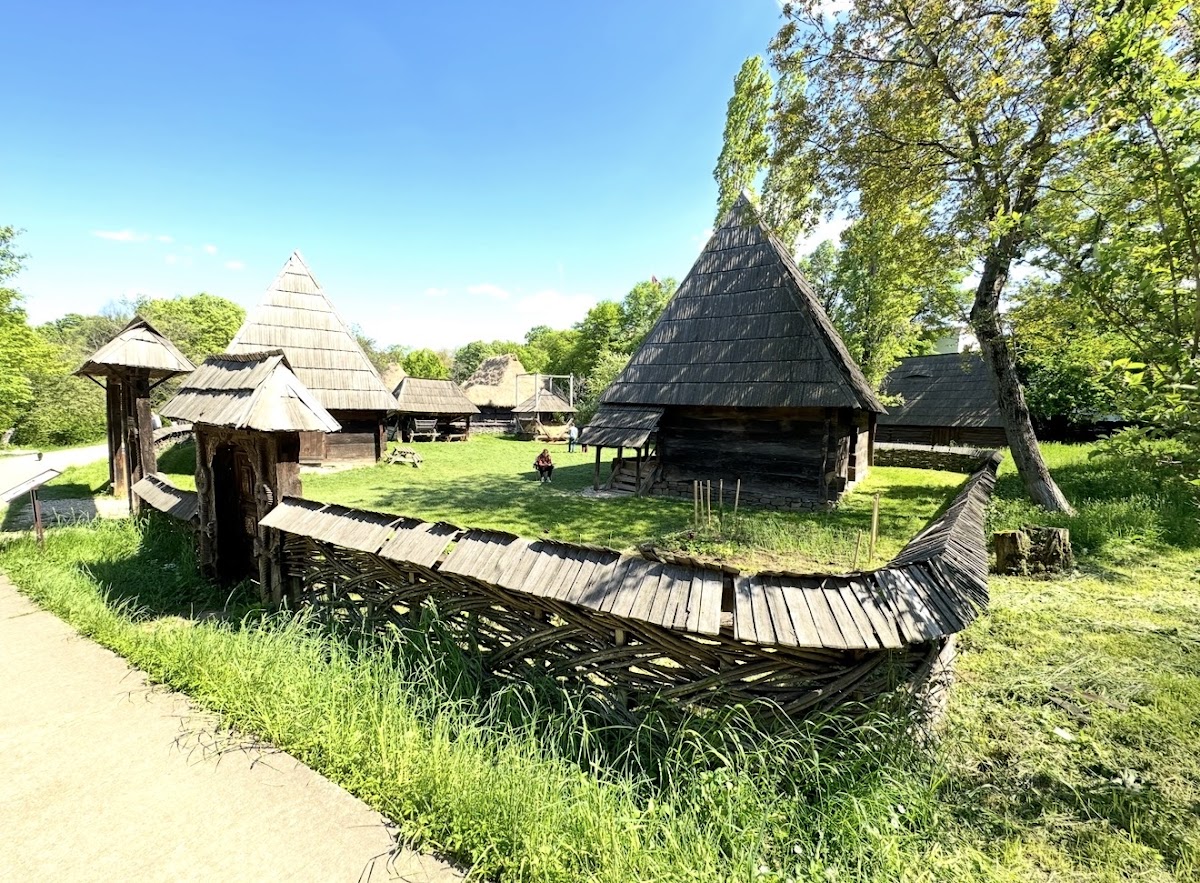
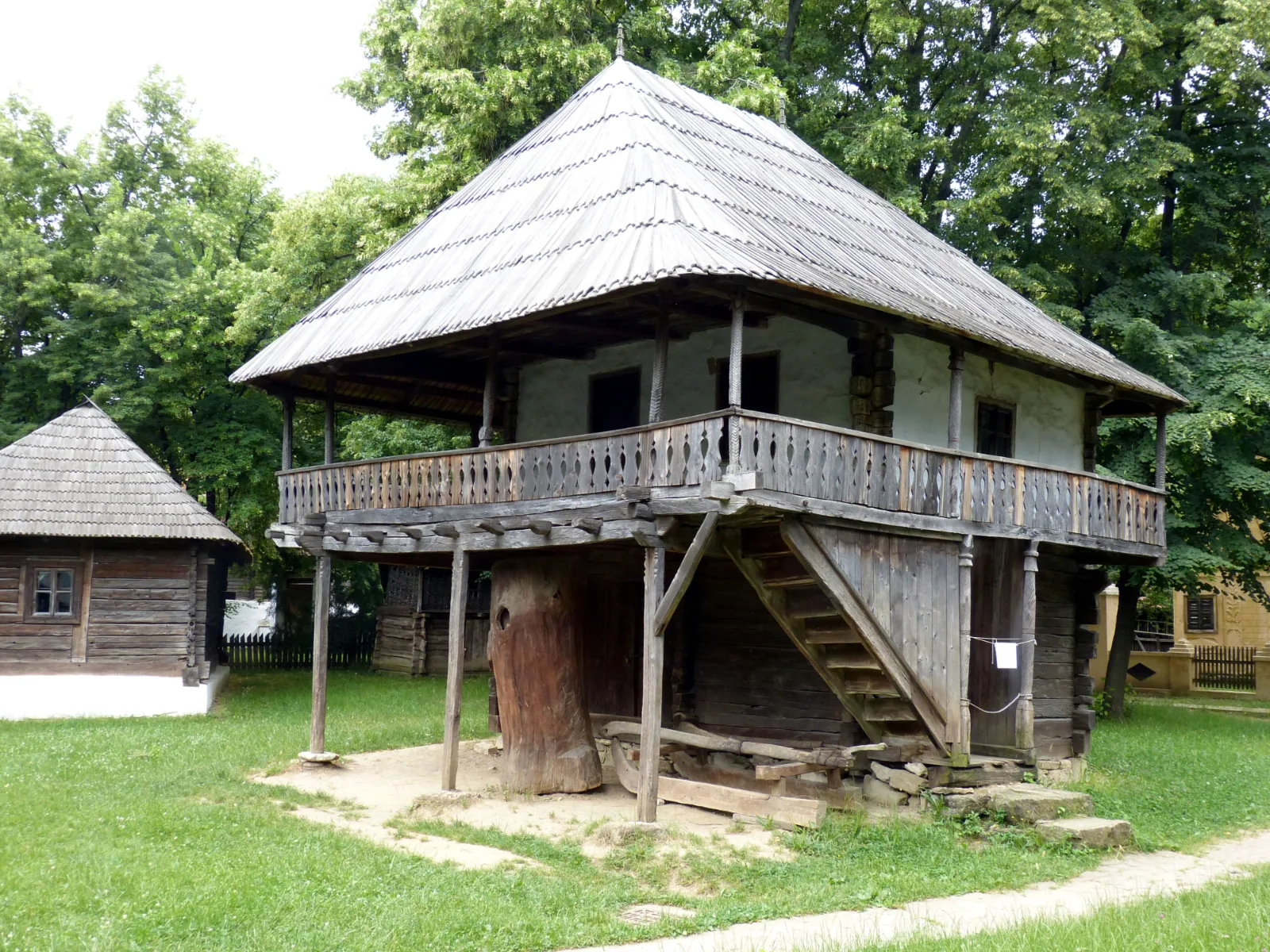
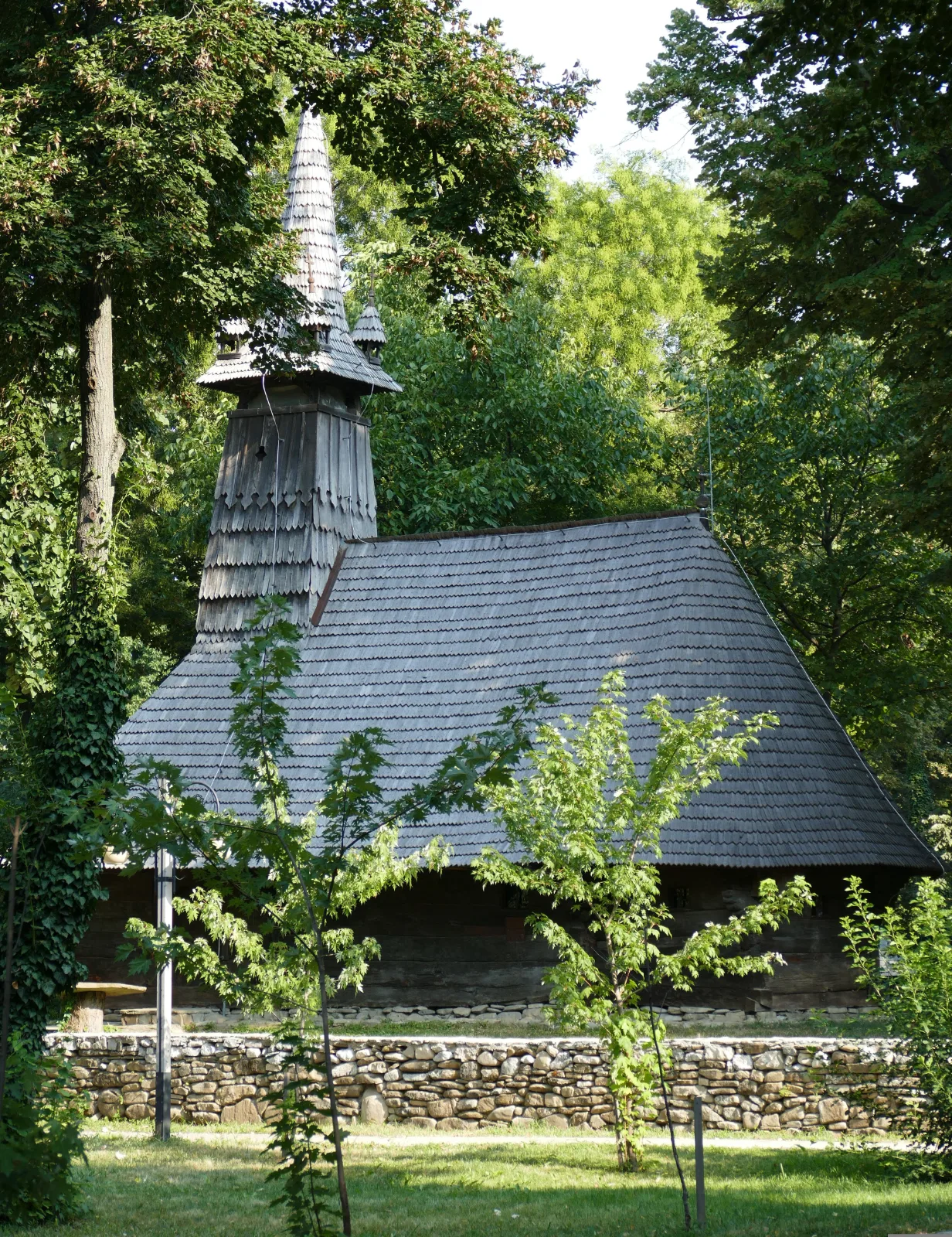
The National Museum of the Romanian Peasant is a public cultural institution on Kiseleff Road no. 3 in Bucharest, housed in a building erected between 1912 and 1941 to designs by architect Nicolae Ghica-Budești, in the Neo-Romanian style inspired by Brâncoveanu-era tradition, with exposed red brick, arcades, and a turret recalling old monastery bell towers. The museum holds one of the most important collections of traditional Romanian art and culture, with nearly 90,000 catalogued objects: folk costumes, ceramics, icons on glass and wood, traditional furniture, farm tools, and household items from every ethnographic region of Romania.
It was officially founded in 1906 as the Museum of Ethnography, National Art, Decorative and Industrial Art, and took its current name in 1990, after post-communist reorganization. During the communist era, the building housed the Lenin-Stalin Museum and later the Museum of the Communist Party, while the ethnographic collections were put into storage or scattered elsewhere. Since 1990, the museum has been rebuilt under the direction of painter Horia Bernea, who gave it an unconventional curatorial approach that earned international recognition — including painting sections of the building with frescoes and graffito-style inscriptions. In 1996, the museum received the "European Museum of the Year" award (EMYA), granted by the European Museum Forum.
In the courtyard facing Ion Mihalache Boulevard stands an 18th-century wooden church, relocated here in 1992. The institution regularly hosts temporary exhibitions, craft fairs, and cultural events. It is accessible by metro to Piața Victoriei station or by bus along the lines serving Kiseleff Road.
Soseaua Kiseleff 3 Bucuresti