
Attraction
The National Museum of the Union
In a city that has lived Romania's history with rare intensity, the National Museum of the Union in Alba Iulia is the place where the past becomes tangible. Two buildings of historical monument status — the Babilon Building and the Sala Unirii — house exceptional archaeological collections and preserve the memory of the founding moment of modern Romania: the Union of 1 December 1918.
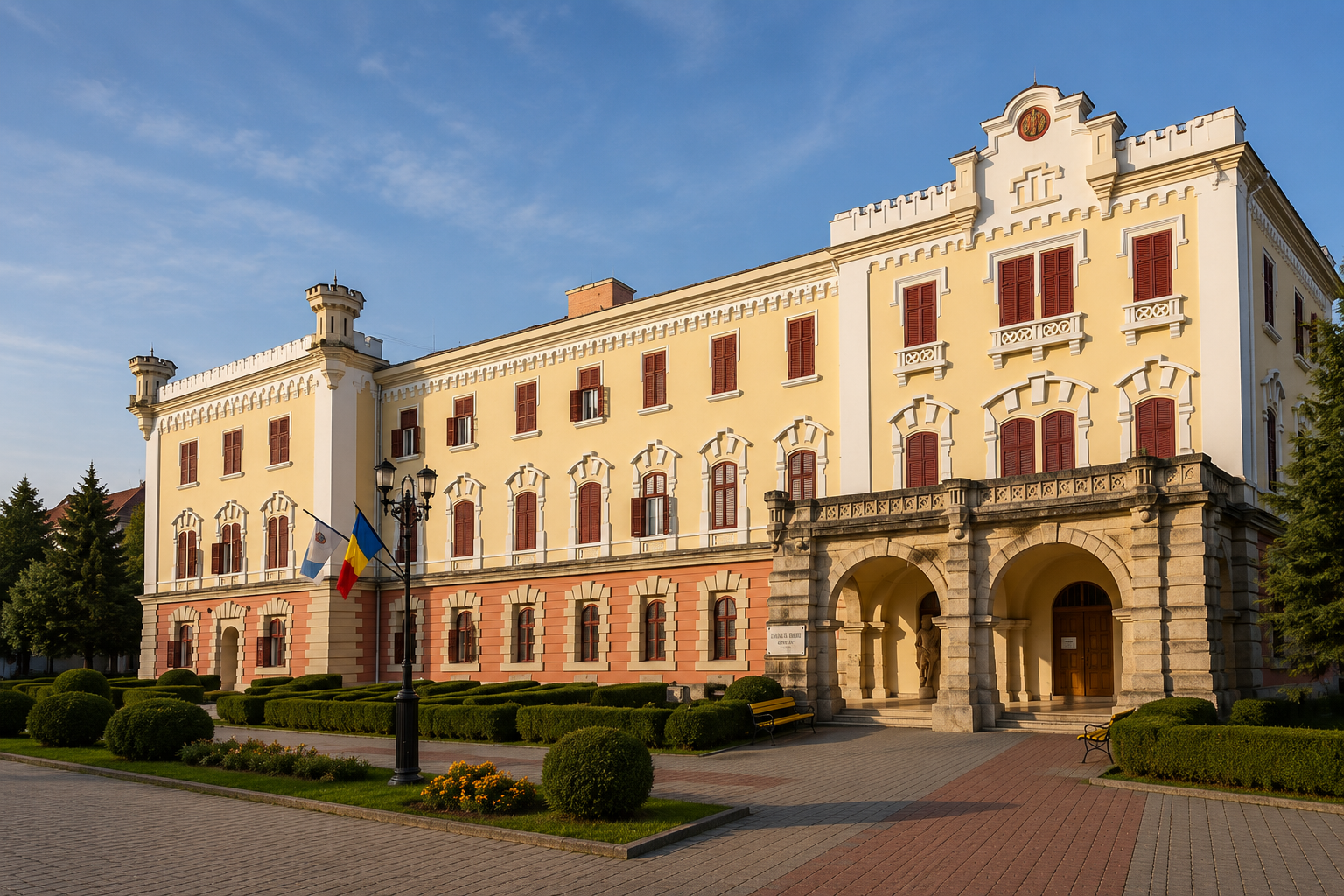
In a city that has lived Romania's history with rare intensity, the National Museum of the Union in Alba Iulia is the place where the past becomes tangible. Founded in 1888 at the initiative of the Society of History, Archaeology and Natural Sciences of Alba, the museum grew alongside Romanian national consciousness, becoming a national institution directly subordinate to the Ministry of Culture in 1992. The museum complex occupies two buildings with historical monument status. The Babilon Building, constructed between 1851 and 1853 in the Romantic style, once housed officers of the Habsburg army — men from every corner of the empire who spoke so many languages that the locals named the building after the biblical tower. With walls over one metre thick and more than 100 rooms, the Babilon today houses exceptional archaeological collections — prehistoric and Dacian artefacts from the fortresses of Craiva and Cugir, Roman pieces from Apulum, and medieval items including gold and silver jewellery. Opposite stands the Sala Unirii — the ground zero of the Great Union of 1918. It was in this hall, on 1 December 1918, that the union of Transylvania with Romania was voted. Today it preserves the original credentials of the delegates, the flags brought to Alba Iulia, and the Declaration of Self-Determination of the Romanians of Transylvania. Entry to the Sala Unirii is free of charge. The museum also includes Museikon — a section dedicated to religious art and early books, inaugurated in 2017.
Str. Mihai Viteazul 12-14, 510010 Alba Iulia