
Attraction
Bukovina National Museum (History Museum)
The History Museum in Suceava, at Strada Ștefan cel Mare nr. 33, is the headquarters of the Bukovina National Museum, an institution founded in 1900. Its permanent exhibition, reopened in 2016, presents the history of present-day Suceava County in 27 rooms, from the Palaeolithic to the 1989 Revolution, together with the Princely Council Hall and the Treasury.
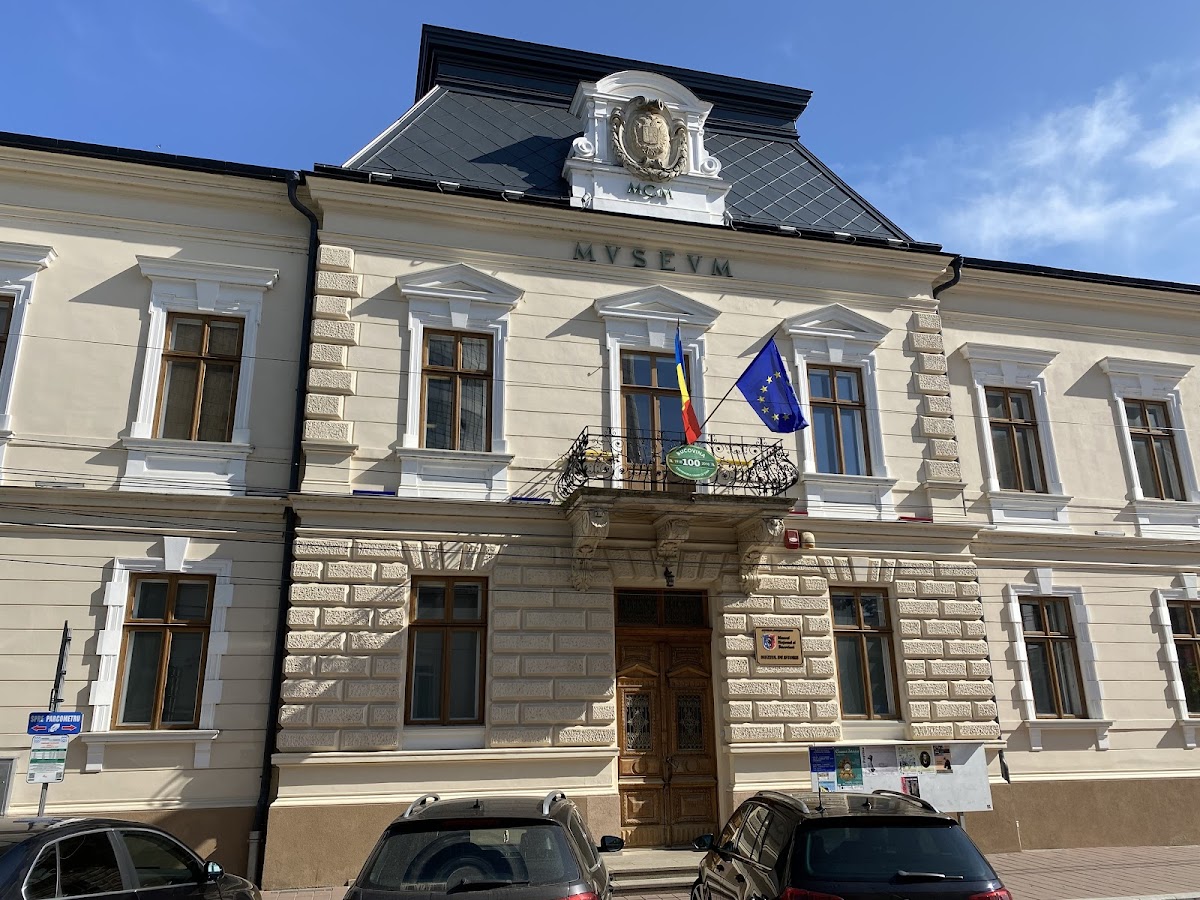
The Bukovina National Museum has its headquarters at Strada Ștefan cel Mare nr. 33, in central Suceava. The institution grew out of the "Muzeul" Society, whose statutes were approved by the Diet of Bukovina in November 1899 and whose founding assembly was held on 4 January 1900. It was successively known as the Regional Museum, the District Museum, the Suceava County Museum (from 1968) and the Bukovina Museum Complex, and since 1994 it has been called the Bukovina National Museum. It also manages, among others, the Suceava Citadel, the Bukovina Village Museum, the Natural Sciences Museum, the Hanul Domnesc Ethnographic Museum and several memorial houses in the county.
The building was erected in 1902-1903 to designs by the Austrian architect Julius Bochner as the seat of the Suceava district captaincy. After 1918 it housed the prefecture, and after 1944 the town's people's council; the history museum has occupied it since 1968. It was restored between 2014 and 2016 under a European project, and the permanent exhibition reopened on 31 July 2016. The building is a listed historic monument (LMI code SV-II-m-B-05480).
The main exhibition, on the upper floor, fills 27 rooms arranged chronologically, from the Palaeolithic finds at Ripiceni to the anti-communist demonstrations in Suceava in December 1989; the first 15 rooms are devoted to archaeology. Key pieces listed by the national museum guide include the Eneolithic throne from Lipcani, the gold pendant with almandines from Rotopănești (fifth century), the gold ring of Prince Bogdan I and the vestments from the tomb of Petru I Mușat.
The Princely Council Hall, formerly the Throne Room opened in 1980, is a reconstruction of the council hall of the Princely Court, built with fifteenth-century architectural elements found in Suceava. In the basement, the Treasury displays archaeological textile fragments and objects ranging from the Scythian plaques found at Cajvana (sixth century BC) to the late seventeenth century, including finds from the princely tombs at Rădăuți and Probota. The museum also has a library of over 82,000 volumes and is open Tuesday to Sunday.
Strada Ștefan cel Mare nr. 33, Suceava, județul Suceava