
Attraction
Ioan Raica Municipal Museum
The Ioan Raica Municipal Museum in Sebeș is housed in Casa Zápolya, the most important secular monument in the city, built before the 15th century as a small Gothic palace, seat of the Transylvanian Diet and residence of the voivodes. It was here that Ioan Zápolya, voivode and King of Hungary, died on 21 July 1540, giving the building its name.
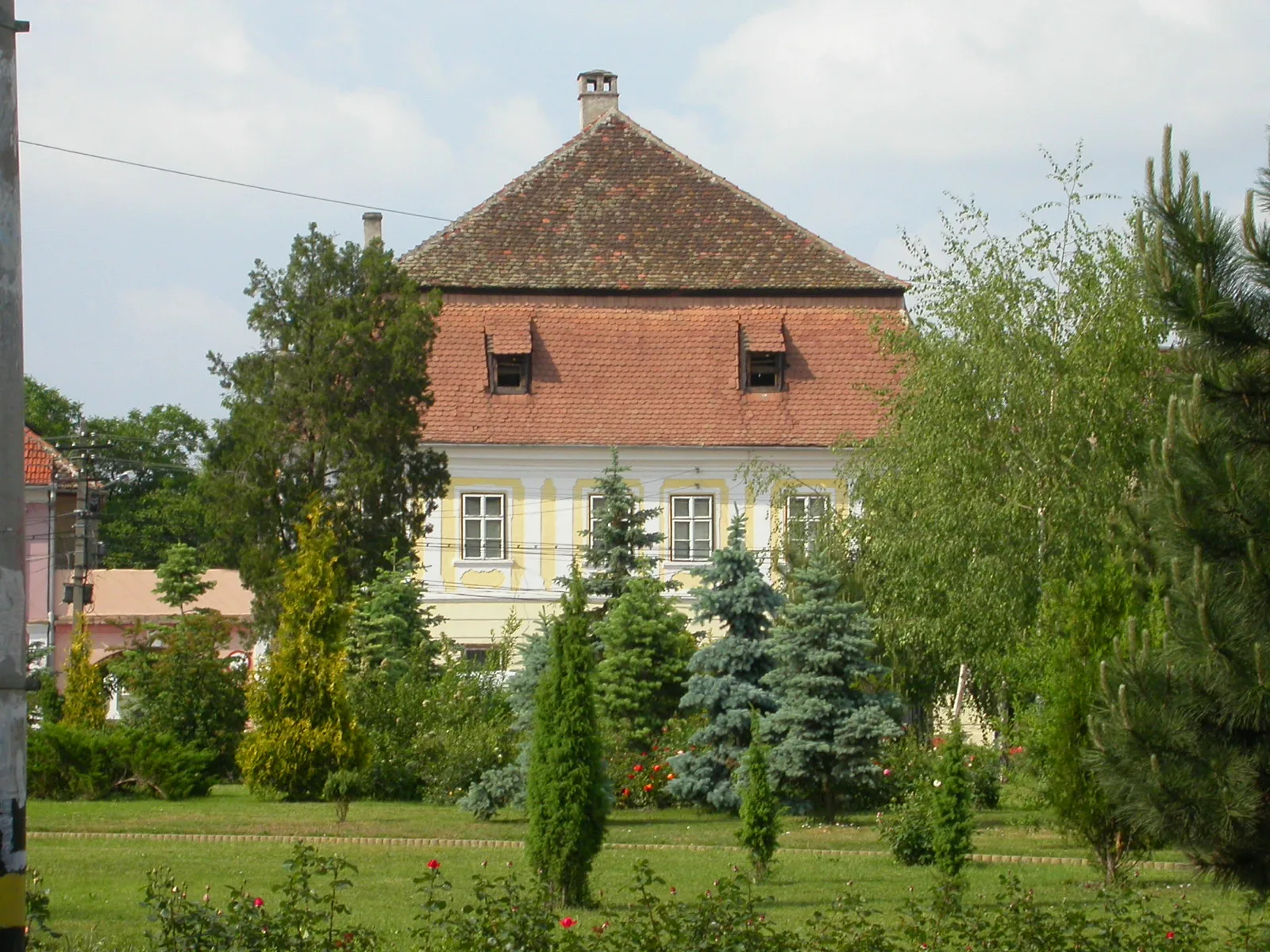
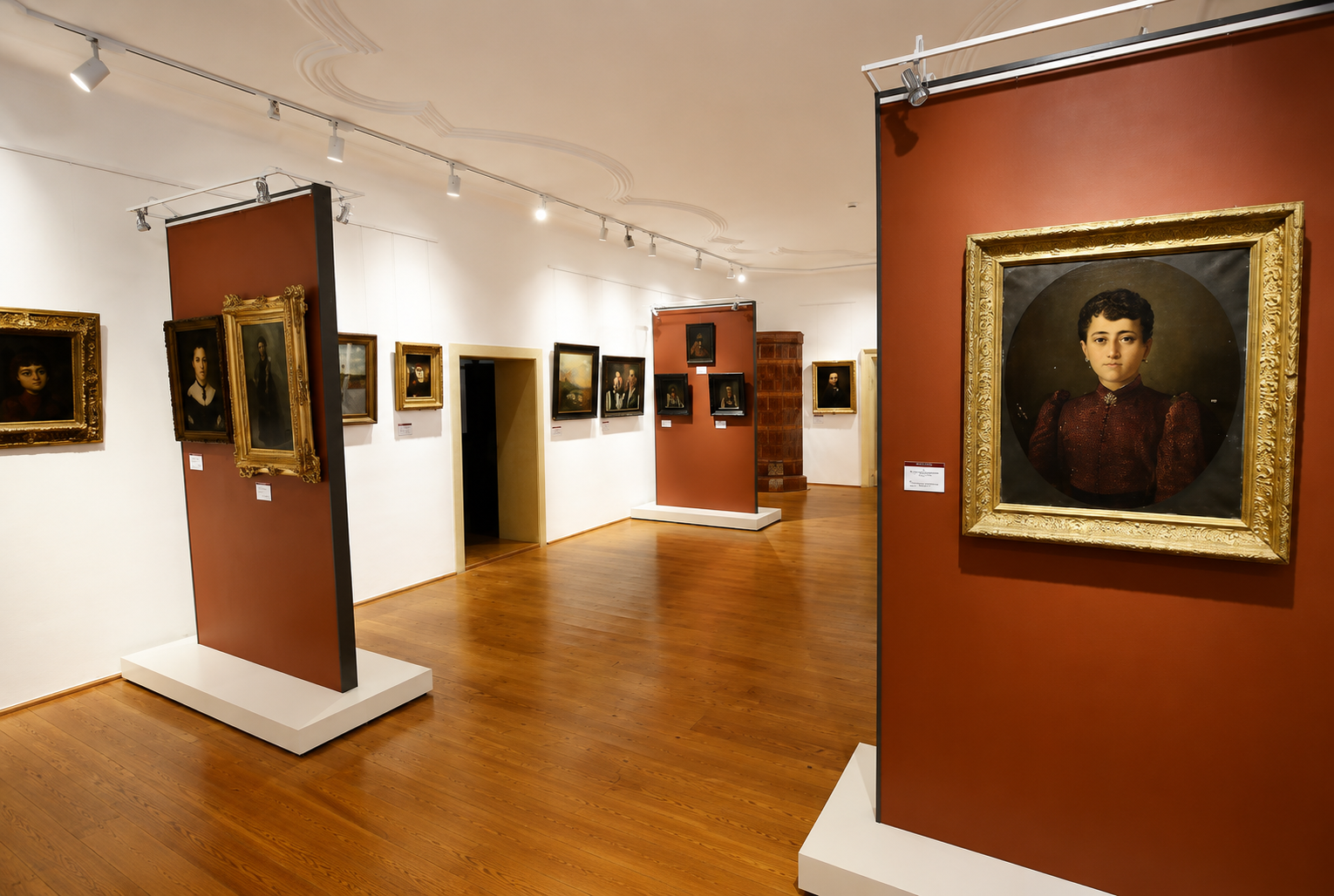
Foto: Andrei kokelburg, CC BY-SA 3.0 ro, via Wikimedia Commons
The Ioan Raica Municipal Museum operates in Casa Zápolya, also known as the Königshaus (Royal House), a category A historical monument (LMI code AB-II-m-A-00354) in the centre of Sebeș, next to the town hall. The building, whose origins predate the 15th century, was first built as a small Gothic palace and served as the seat of the Sebeș Seat (Scaunul Sebeș) and of the Transylvanian Diet. Diets met here in 1547, 1550, 1552, 1556, 1557, 1657 and 1659. On 21 July 1540 Ioan Zápolya, voivode of Transylvania and King of Hungary, died in this building, which takes its name from him. Architecturally, the building combines Gothic, Renaissance and Baroque elements.
The museum was founded in 1951 and opened to the public in 1956; since 2001 it has borne the name of Professor Ioan Raica, collector and its founder. The collections cover the history of the Sebeș area from the Neolithic to the early Middle Ages, with objects of the Saxon guilds, medieval weapons, old prints and the town's executioner's sword, dated 1463. The ethnographic collection includes Romanian and Saxon folk costume, furniture, textiles, ceramics, icons on wood and on glass, as well as the African ethnography collection donated by Sebeș pharmacist Franz Binder (1820-1875). Address: Piața Primăriei no. 3, Sebeș, Alba County.
Did you know that the Sebeș executioner's sword, kept in the museum, is dated 1463?
Piața Primăriei 3, 515800 Sebeș