
Attraction
Maramureș County Museum of History and Archaeology
The Maramureș County Museum of History and Archaeology occupies the former Mint of Baia Mare at 1-3 Strada Monetăriei, a historic monument dated 1734-1739 (LMI code MM-II-m-A-04477). Set up as a separate institution in 2006, it continues the history and archaeology departments of the town museum opened in 1904 and also runs the Butchers' Bastion.
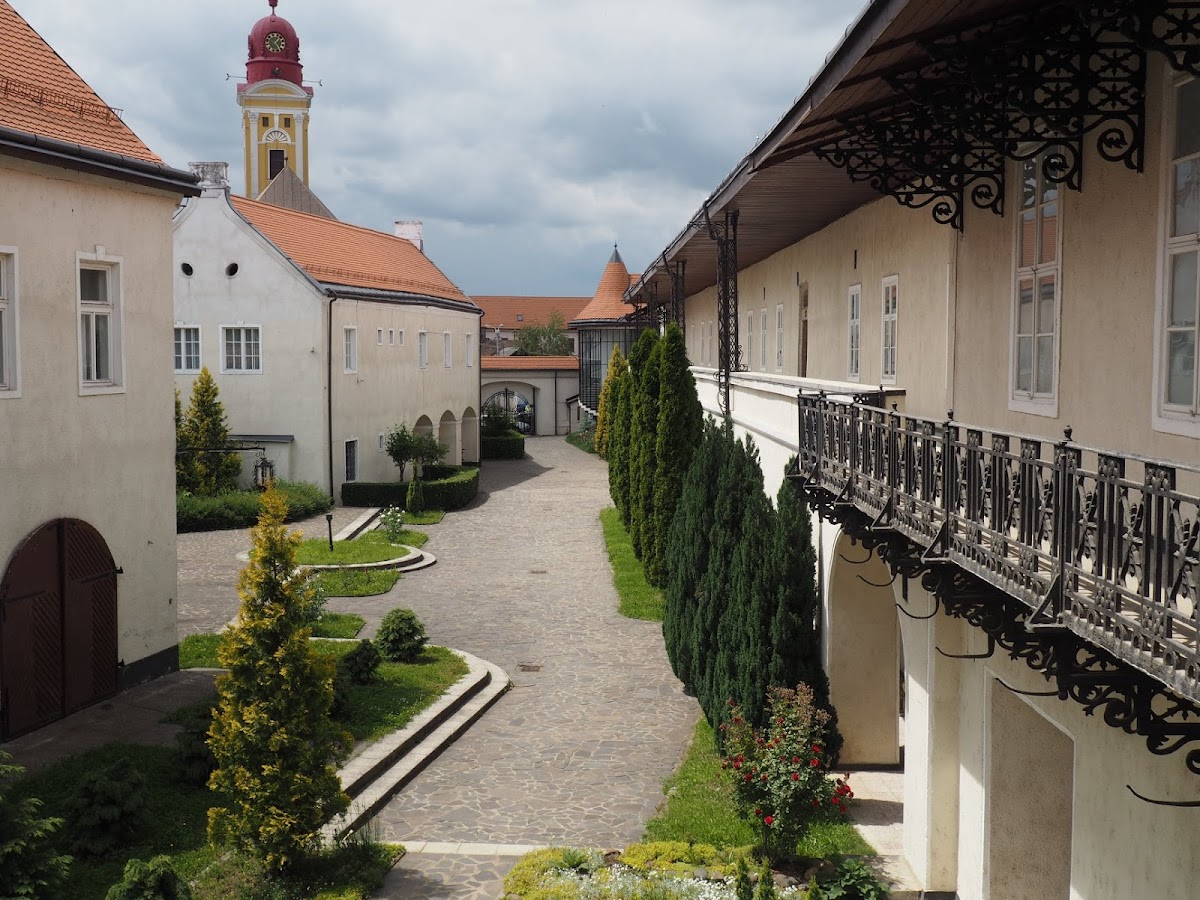
The Maramureș County Museum of History and Archaeology is based at 1-3 Strada Monetăriei, near the old centre of Baia Mare, in the former Mint. The building is a historic monument (LMI code MM-II-m-A-04477) dated 1734-1739. The Baia Mare mint is documented in 1411 and was one of the places where Habsburg imperial coins were struck, with the mark N.B. (Nagybánya) and later the letter G. The museum also runs the Butchers' Bastion, part of the town's medieval fortifications, which reopened to the public in 2011.
The museum's history begins with the Baia Mare Museum Association, founded on 31 August 1899 on the initiative of the historian Gyula Schönherr, which opened the town museum on 19 June 1904. It became a regional museum in 1951, and from 1968 to 2006 it operated as the Maramureș County Museum, with five departments. Under Maramureș County Council Decision no. 80 of 19 September 2006, the County Museum of History and Archaeology was established on 1 October 2006, continuing the history and archaeology departments.
The holdings total 75,509 inventory numbers: 35,745 archaeological artefacts, 24,128 items in the history department (medieval archaeology, coin hoards, guild objects, edged weapons and firearms, seals and matrices, prints, photographs, documents, mining equipment) and an old book collection of 9,278 volumes from the sixteenth to twentieth centuries. The permanent exhibitions are "Bronze Age Treasures of Northern Transylvania", "Mining and Civilisation in Maramureș", which includes components preserved in place from the refining plant that operated here from 1926 to 1967 and the Treasury where gold and silver ingots were kept, and "A Journey into the Universe of Clocks", with a collection of about 300 timepieces.
According to CIMEC, the museum is open daily from 10:00 to 17:00, with last entry at 16:30.
Strada Monetăriei 1-3, Baia Mare, județul Maramureș