
Attraction
Pharmacy History Museum
The Pharmacy History Museum in Sibiu, at 26 Piața Mică, holds a collection of over 6,600 items related to pharmaceutical practice in Transylvania, dating from the 16th to the 19th centuries. The institution is built on the heritage of the "At the Black Bear" pharmacy, founded around 1600, and operates as a branch of the Brukenthal National Museum. Worth visiting for the authenticity of its exhibits and its rigorous documentation of the history of medicine in the Transylvanian region.
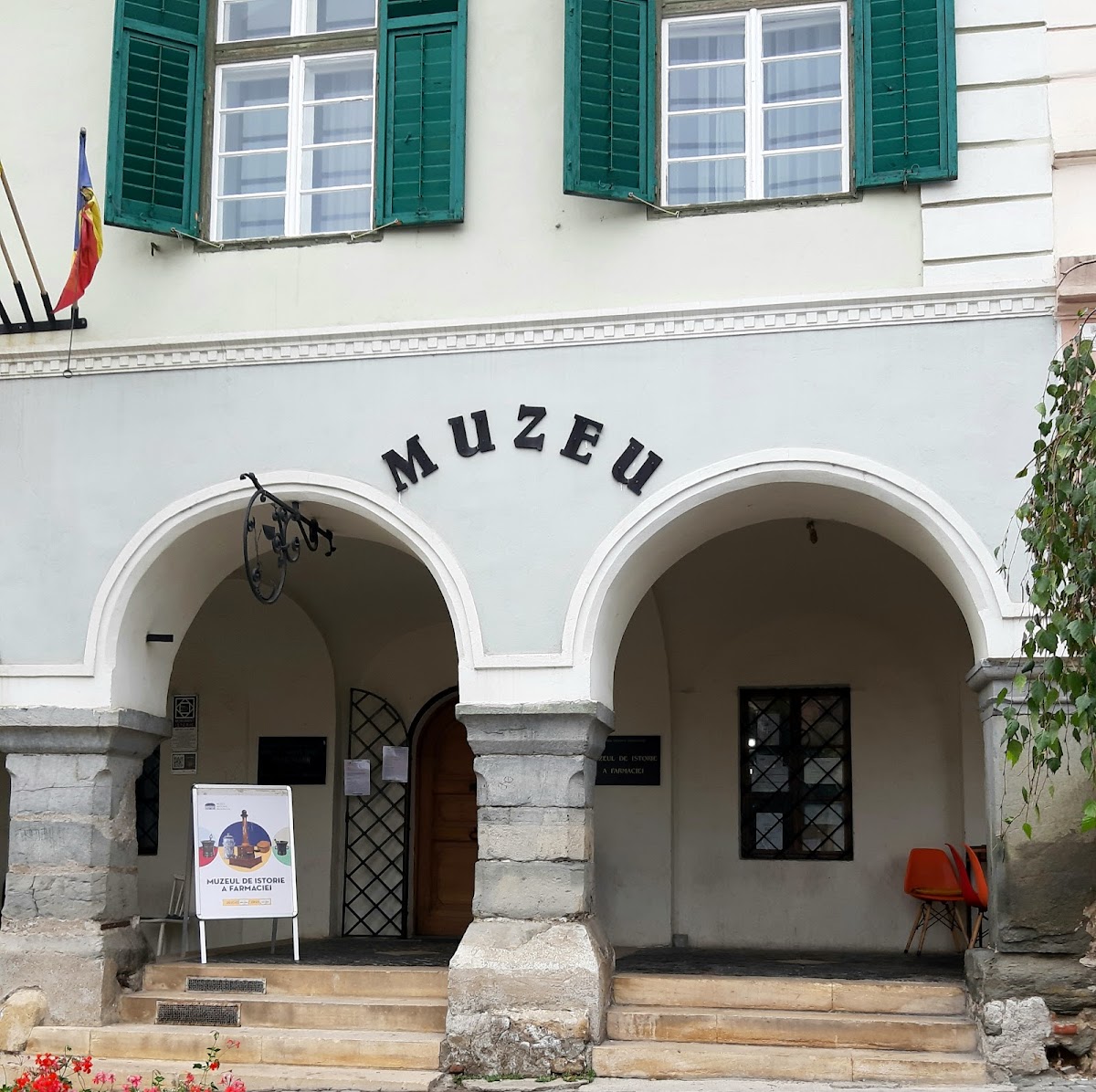
The Pharmacy History Museum in Sibiu is one of Romania's oldest institutions of its kind, housed in a historic building at 26 Piața Mică, in the heart of the city's medieval center. The building, an architectural historic monument with Gothic and Renaissance elements (code LMI SB-II-m-A-12128), dates from 1568 and was restored between 1968 and 1972. From around 1600, one of Sibiu's oldest pharmacies — the third chronologically — operated here, called "At the Black Bear."
The permanent exhibition brings together over 6,600 items — pharmaceutical vessels in ceramic, glass, and metal, laboratory instruments, period furniture, documents, and original prescriptions dating from the 16th to 19th centuries, as well as medicinal substances used in pre-industrial pharmaceutical practice. The items come from more than 70 old pharmacies, pharmaceutical offices, and private individuals across 32 localities in the country. The oldest piece in the collection is a bronze mortar dated 1597, donated by Dr. Ernest Klaus in 1977; the collection's centerpiece is the cabinet of Sibiu physician Andreas Thench, from 1703. A distinct component, rare on a European scale, is the homeopathic inventory — over 2,900 pieces — illustrating the interest this therapeutic doctrine drew in Sibiu, the city where Samuel Hahnemann, the founder of homeopathy, lived and worked.
The museum is part of the Brukenthal National Museum network in Sibiu (not the ASTRA Complex) and is organized following the model of a classic pharmacy, with a dispensary, laboratory, a hall of medical kits, and a homeopathy section. The original carved wooden furniture, typical of the 18th century, is partly preserved within the exhibition space, offering concrete insight into the layout of a period Transylvanian pharmacy. Since 2025, the museum has been included in the European Route of Historic Pharmacies and Medicinal Gardens, a cultural route officially recognized by the Council of Europe.
According to the most recent information available, the museum is no longer open for individual visits, only for groups of at least 10 people, by booking at least 24 hours in advance — we recommend checking directly with the museum for the current schedule before planning a visit. The building is about 100 meters from Piața Mare, in Sibiu's fully pedestrianized central area. Worth visiting for the concrete, authentic documentation it offers of the evolution of pharmaceutical practice in the Transylvanian region over nearly three and a half centuries, with rare original pieces.
Piata Mica 26 Sibiu judetul Sibiu