
Attraction
"Anton Badea" Ethnographic Museum in Reghin
The "Anton Badea" Ethnographic Museum stands at 51 Vânătorilor Street in Reghin, in a building from 1892, and has an open-air section with peasant farmsteads, the wooden church brought from Iara and traditional technical installations. Its exhibitions show the crafts, costume and customs of the Upper Mureș Valley, the Gurghiu Valley and the Transylvanian Plain.
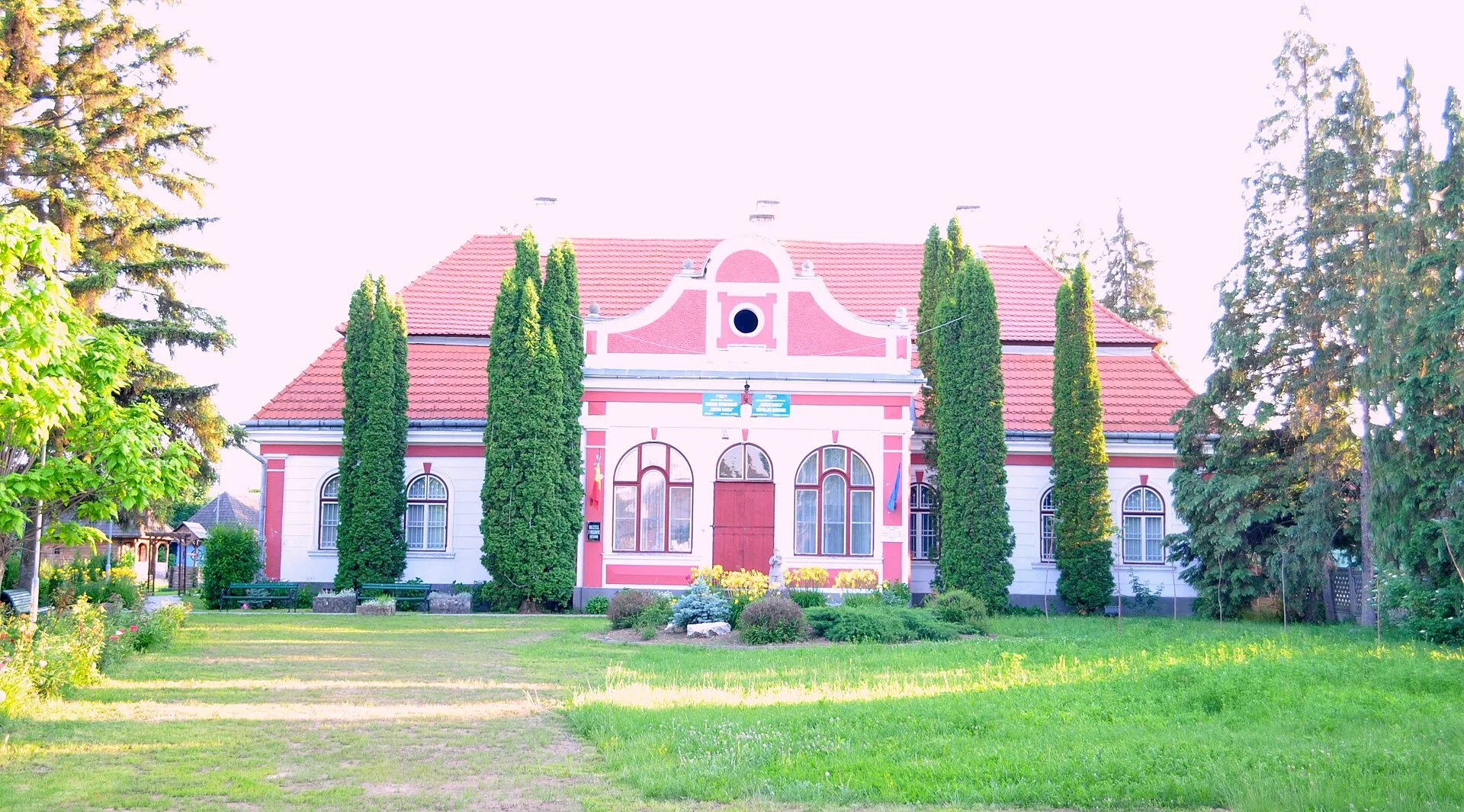
Foto: Țetcu Mircea Rareș, CC BY-SA 4.0, via Wikimedia Commons
The "Anton Badea" Ethnographic Museum is in the town of Reghin, at 51 Vânătorilor Street. The main building dates from 1892 and served as a house and then as a vocational school before becoming the museum; it was restored in 1989-1990.
The museum was founded by the ethnographer Anton Badea to preserve vernacular architecture, peasant technical installations and folk art from the area. In 1970 it became a county museum, with a research area extending beyond Mureș County.
The indoor exhibition shows objects related to the crafts, costume and customs of the Upper Mureș Valley, the Gurghiu Valley and part of the Transylvanian Plain: pottery, textiles, peasant furniture, religious objects and pieces of folk dress. The open-air section recreates a Mureș village, with farmsteads made up of houses and outbuildings, among them an eighteenth-century house from Hodac. At the heart of the village stands the wooden church from Iara, re-erected in the museum in 1998, and the technical installations include the water mill from Vătava, the oil press from Hodac and the wine press from Batoș.
The museum building is a listed historic monument (LMI code MS-II-a-A-15777). The museum is open to the public.
Strada Vânătorilor nr. 51, Reghin, județul Mureș