
Attraction
History Museum Sibiu (Altemberger House)
The Brukenthal National Museum's History Museum has occupied the Altemberger House at Strada Mitropoliei 2 since 1988, a complex considered the most important ensemble of secular Gothic architecture in Transylvania. Built for Mayor Thomas Altemberger in 1470-1491, the house served as Sibiu's town hall from 1545 to 1948. The exhibition covers the history of southern Transylvania from the Palaeolithic to the Romanian national movement of the eighteenth to twentieth centuries.
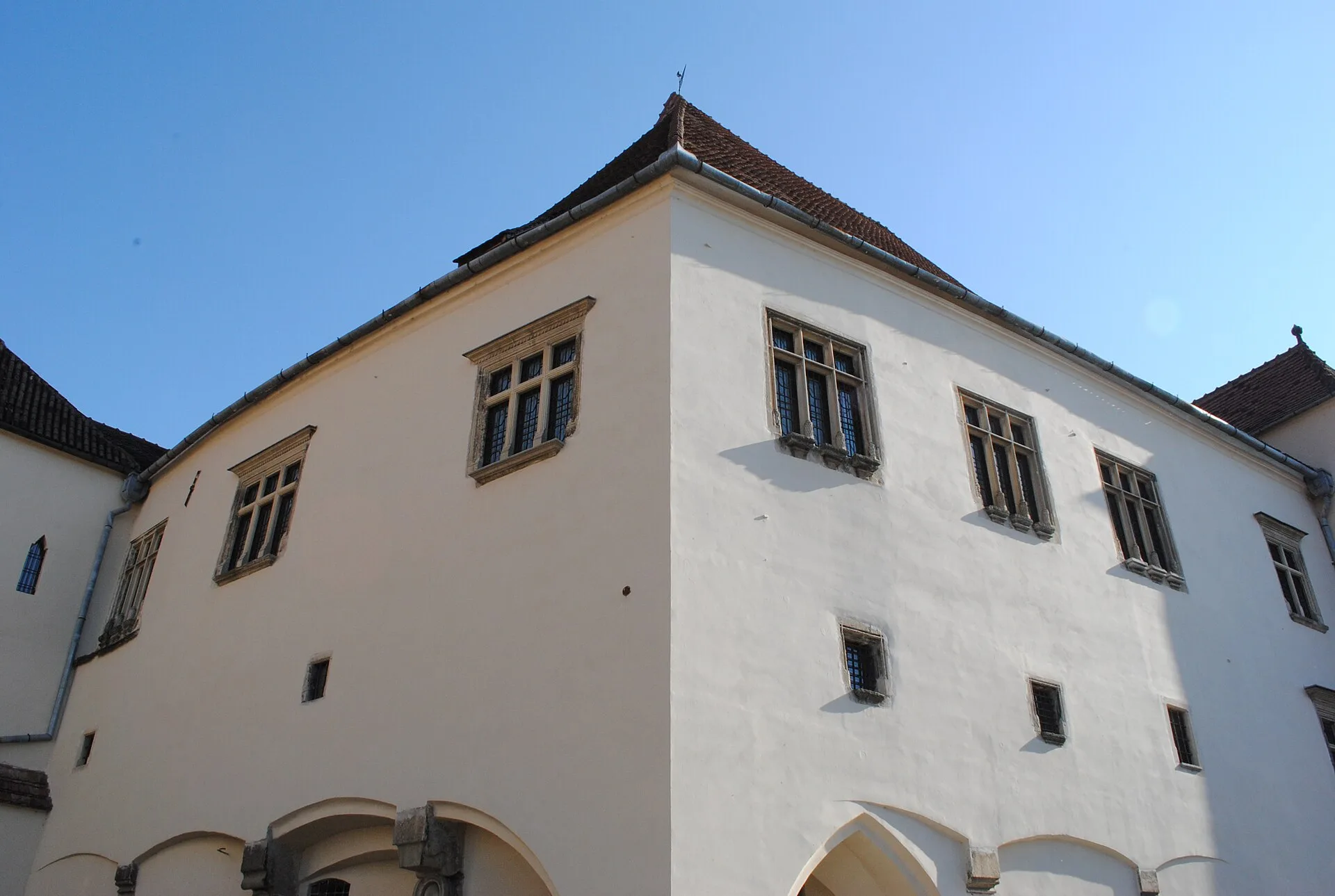
Foto: Andrei kokelburg, CC BY-SA 3.0 RO, via Wikimedia Commons
The Altemberger House (Altemberger-Pempflinger House) stands at Strada Mitropoliei 2 in Sibiu's historic centre, next to the Gate Tower and the upper end of the Stairs Passage. The complex, made up of ten architectural units and a defence tower that belonged to the city's third ring of walls, is considered the most important ensemble of secular Gothic architecture in Transylvania and is a listed historic monument (code SB-II-m-A-12134). The house was built by Mayor Thomas Altemberger between 1470 and 1491, its oldest part being the tower house.
In 1545 the city magistrate bought the building, which then served as the town hall until 1948. The tower held the archives of the city and of the Saxon University from 1546 to 1923, and the building also housed the city prison (until 1747) and the municipal court (until 1901). A marble plaque on the gateway façade records the visit of Emperor Joseph II in 1773. Restoration for museum use took place, with interruptions, between 1967 and 1988.
The Brukenthal Museum's history department opened in 1959 in the Brukenthal Palace and moved to the Altemberger House, with a full exhibition circuit, in 1988. The permanent exhibition, reorganised in 2006-2007, follows local history: Palaeolithic and Neolithic dwellings, the Bronze Age, the Dacian period, a Roman villa rustica and a medieval home. These are followed by the Roman lapidarium (second and third centuries AD), the medieval lapidarium, the arms and armour hall, the treasury based on Samuel von Brukenthal's coin cabinet, the glass and guild collections, the "Magistrate of Sibiu" exhibition and the section on the Romanian national movement in southern Transylvania.
Since 2018 the inner courtyard has held bronze busts of figures from national history, made for the centenary of the Great Union. The second courtyard, known as the Martyrs' Garden, preserves the stone corbels of a loggia carved with male portraits, showing Renaissance influence.
Strada Mitropoliei 2, Sibiu