
Attraction
Brașov Art Museum
The Brașov Art Museum operates in a Neo-Baroque building dating from 1902, located at 21 Bulevardul Eroilor, originally erected by the Saxon Craftsmen's Association of Brașov. The museum's heritage comprises over 4,500 cultural assets — paintings, graphic art, sculpture, decorative art, icons and oriental rugs. The most valuable highlight of the collection is the second largest collection in the country of works signed by Nicolae Grigorescu (36 pieces), alongside works by Ion Andreescu, Ștefan Luchian and Theodor Aman.
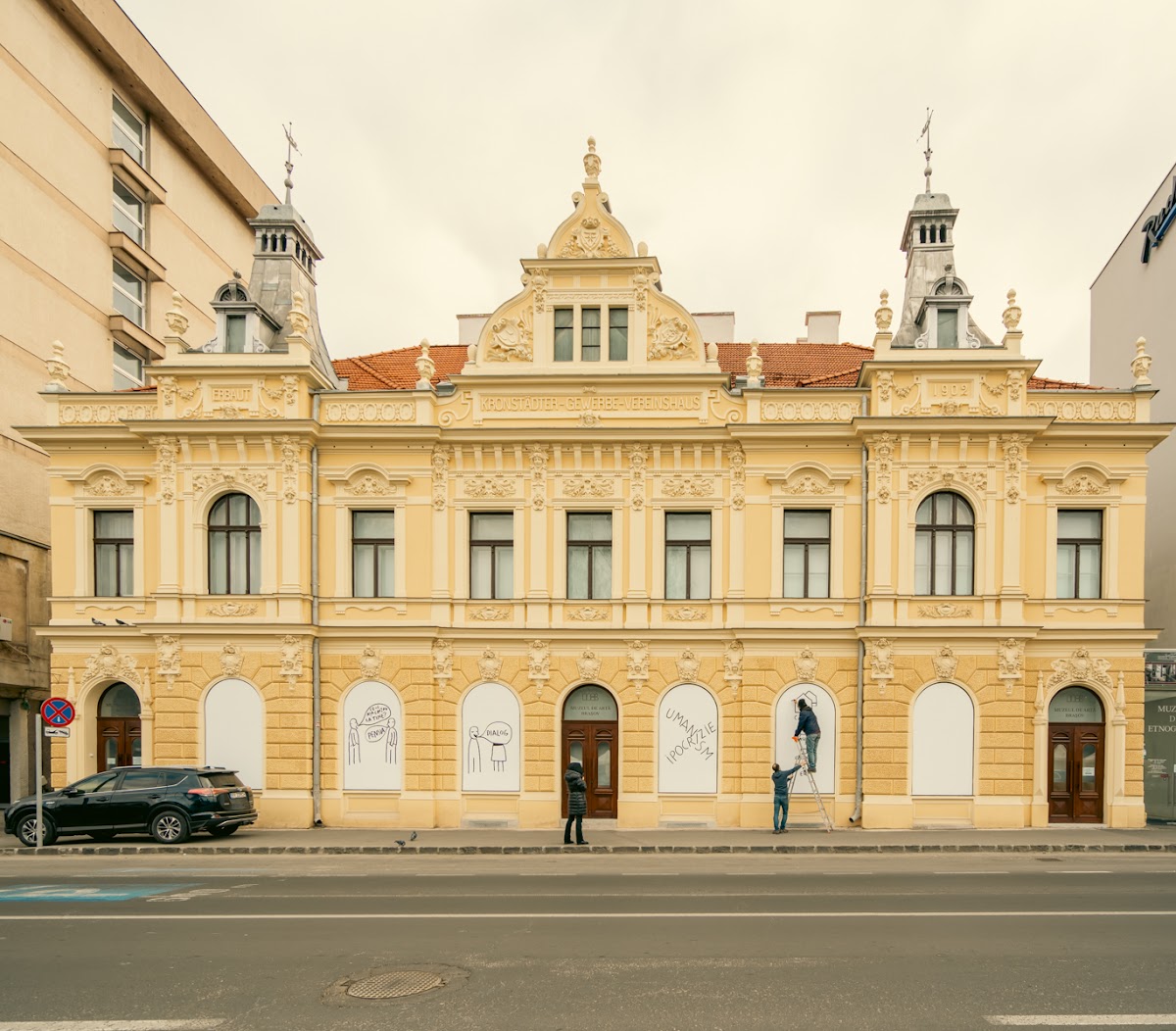
The Brașov Art Museum is a fine arts museum located at 21 Bulevardul Eroilor, in the centre of Brașov, next to Hotel Capitol. The building in which it operates was erected in 1902 by the Saxon Craftsmen's Association of Brașov (Kronstädter Sächsischer Gewerbeverein) and is representative of the Neo-Baroque style. The first fine arts exhibition was opened to the public in February 1950, in Casa Sfatului, and since 1970 the museum has been operating at its current premises on Bulevardul Eroilor. From 1 June 1990 it became an independent institution, subordinated to the Brașov County Council. The museum's heritage comprises over 4,500 cultural assets: easel paintings, graphic art, sculpture, decorative art, icons, tapestries and oriental rugs, representative of modern and contemporary Romanian art and of Transylvanian art from the 16th to the 20th centuries. The National Gallery, the permanent exhibition arranged across six rooms on the upper floor, illustrates the evolution of Romanian and Transylvanian art from the 18th to the 20th centuries. The centrepiece is the collection of works signed by Nicolae Grigorescu — 36 pieces spanning all periods of his creative output, the second largest such collection in the country. Also on display are works by Ion Andreescu, Ștefan Luchian, Theodor Pallady, Nicolae Tonitza, Theodor Aman and Ion Țuculescu, alongside sculptures by Dimitrie Paciurea, Ion Irimescu and Paul Dubois. The exhibition also includes works by Brașov artists, ranging from 18th-century portraits of the Saxon patriciate to contemporary creators. The ground-floor rooms host temporary exhibitions and cultural events — concerts, book launches and conferences. In recent years the museum has distinguished itself through large-scale international exhibitions dedicated to artists such as Salvador Dalí, Francisco de Goya and Max Ernst. Access is straightforward, as the museum is situated in Brașov's central pedestrian area, approximately 500 metres from Gara Brașov and connected via the public transport network.
Bulevardul Eroilor 21 Brașov