
Attraction
The Câmpia Boianului Museum - Traian Zorzoliu
The Câmpia Boianului "Traian Zorzoliu" Museum is a museum located in the town of Drăgănești-Olt, Olt County, known particularly for its open-air archeopark, which reconstructs a Neolithic village characteristic of the Gumelnița culture. Initiated by teacher Traian Zorzoliu and inaugurated in 2010, the reconstructed Neolithic village is considered unique in Romania and among the very few of its kind in Europe. In addition to the archeopark, the museum houses a rich collection of archaeological, historical, ethnographic and art objects gathered over several decades.
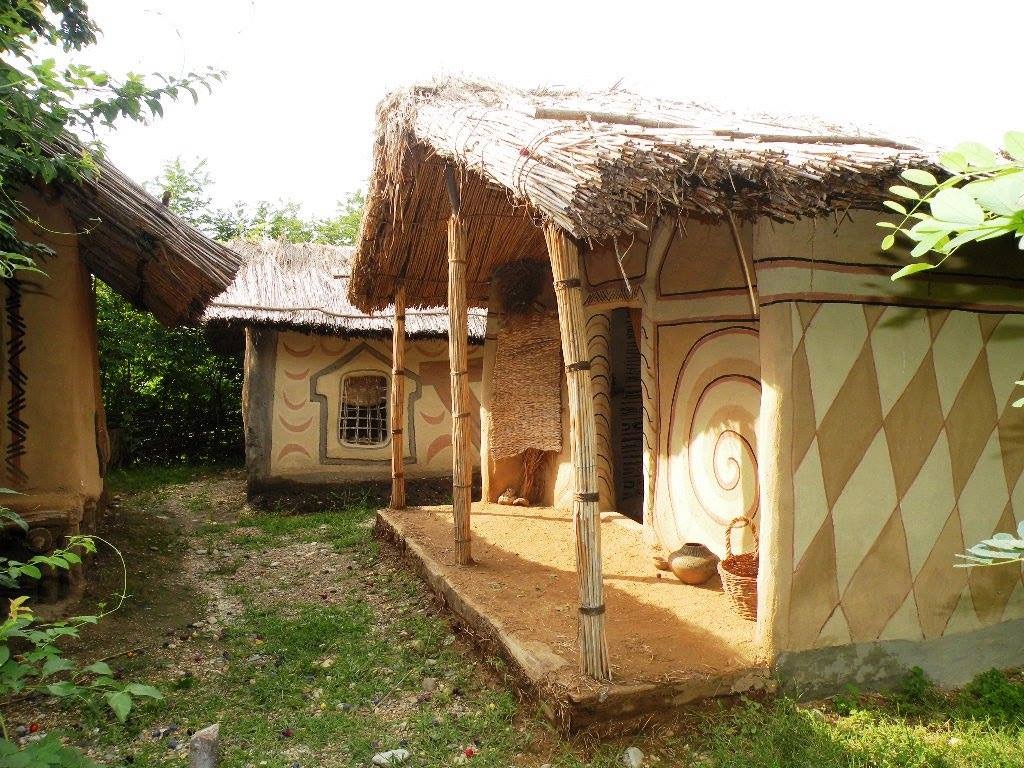
The Câmpia Boianului "Traian Zorzoliu" Museum is a museum located in the town of Drăgănești-Olt, Olt County, housed in the buildings of the former Polihronie manor house dating from the late nineteenth century, complemented by an open-air section. Its origins go back to the late 1970s, when teacher Traian Zorzoliu assembled a rich collection of archaeological materials discovered in the area, on the basis of which, in 1981, a museum outpost was established that subsequently developed into the present museum, which today bears the name of its founder. The collections comprise more than 15,000 items from various fields — archaeology, history, numismatics, ethnography, religious objects, traditional costume and fine art — illustrating the history of the Câmpia Boianului region from the Neolithic period through to the modern era. The museum's main attraction, however, is the Gumelnița archeopark, also known as the "Neolithic Village", laid out from 2009 onwards and opened to the public in the autumn of 2010. It reconstructs, at full scale, a tell-type settlement (mound) characteristic of the Neolithic Gumelnița culture, which flourished in the second half of the fifth millennium BC across the territory of Muntenia, Dobrogea and southern Basarabia. The reconstruction, based on findings from the seven archaeological campaigns carried out at the Gumelnița tell at Drăgănești-Olt, comprises a group of huts built from cob, woven reeds and wooden stakes, on a plot enclosed by a defensive ditch and a wattle fence, with access provided by a wooden footbridge. Each hut represents a social category of the Neolithic community — the dwelling of the tribal leader, the potter's house, the fisherman's house and the farmer's house — fitted out inside with tools, vessels, cult altars and other objects typical of the period; among the structures there is also a grave containing a skeleton laid in a crouched position, in accordance with the burial rite of the age. Considered unique in Romania and among the very few reconstructions of this kind in Europe, the archeopark was inaugurated in the presence of archaeologists from numerous countries and attracts visitors from around the world every year, making it one of the most distinctive tourist attractions in the south of the country.
Strada Nicolae Titulescu 337, 235400 Drăgănești-Olt