
Attraction
ASTRA Museum (Traditional Folk Civilization)
The "ASTRA" Museum of Traditional Folk Civilization in Sibiu is Romania's largest open-air museum, established in 1963 and opened to the public in 1967. It covers 96 hectares in the Dumbrava Sibiului forest and brings together over 400 traditional buildings — farmsteads, mills, wooden churches, and technical installations — dating from the 17th to 19th centuries. The complex includes rural architecture representative of Romanian, Saxon, and Hungarian communities in Transylvania. Considered Romania's second most-visited museum, it is reached via Calea Rășinari, about 3 km from central Sibiu.
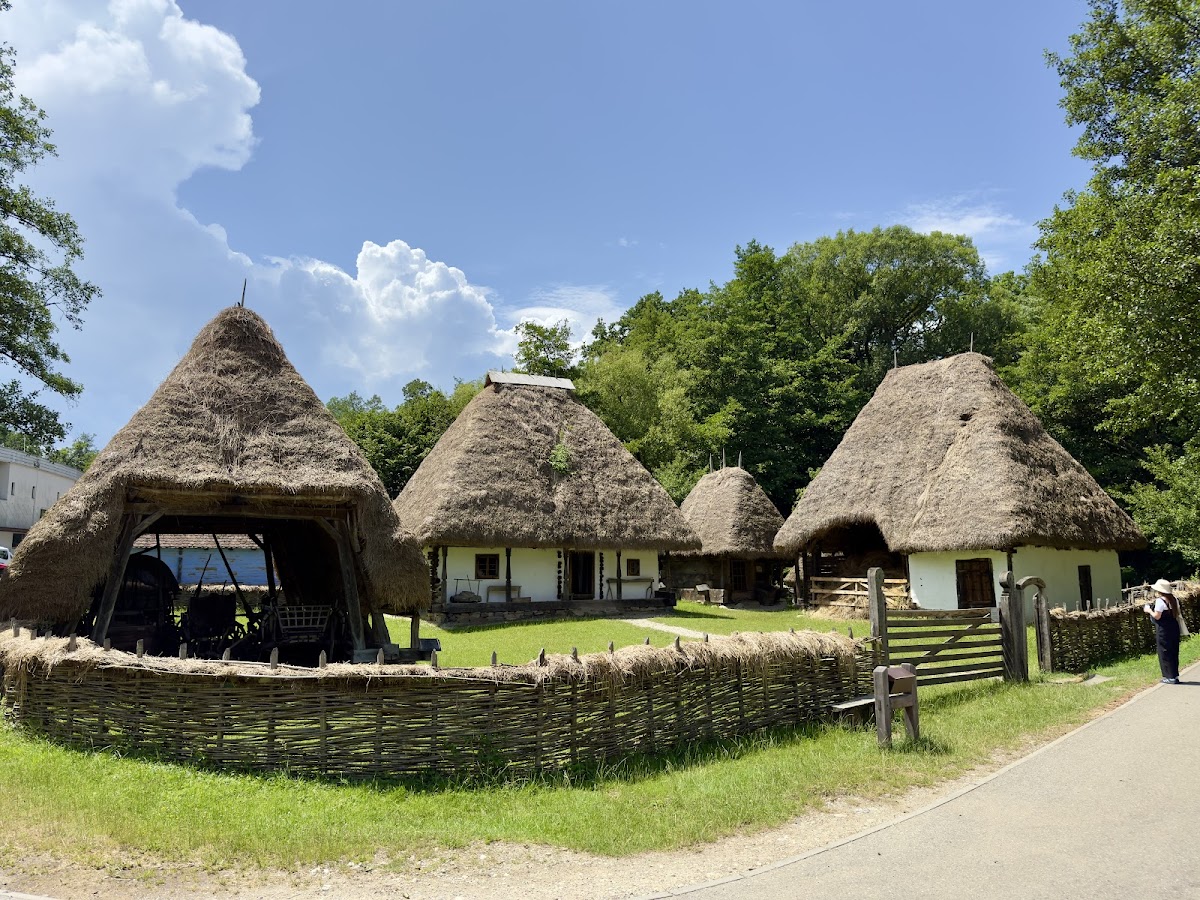
The "ASTRA" Museum of Traditional Folk Civilization in Sibiu is Romania's largest open-air museum by area and heritage, located on Calea Rășinari, about 3 km southwest of the city center, within the Dumbrava Sibiului nature reserve. The museum continues the tradition of the first ethnographic museum of Transylvanian Romanians, founded in Sibiu in 1905 and shut down by the communist regime in 1950, its heritage gradually reintegrated over time.
The museum was organized in 1963, by a team led by ethnographer Cornel Irimie, under the name Museum of Folk Technique, aiming to illustrate Romania's traditional technical craftsmanship. The first piece brought to Dumbrava Sibiului, a hydraulic mill from Dăbâca (Hunedoara County), remains the museum's symbol, still featured in its logo today. The museum opened to the public in 1967, and from 1971 the collection expanded to include complete peasant houses, alongside the original craft workshops. In 1990, the institution took its current name, the "ASTRA" Museum of Traditional Folk Civilization, along with the addition of a new sector dedicated to public utility monuments — churches, a school, inns, a tavern, fire stations.
The museum covers 96 hectares, crossed by about 10 kilometers of paths, and brings together over 400 buildings, grouped into 149 monuments, with more than 20,000 inventory items. Its mill collection is one of the most complete in Europe, with 33 grain mills representing nearly every energy type known in the Eurasian region. Around a lake of about 6 hectares stand Dobrogea windmills, floating bridges, and traditional buildings of Danube Delta fishermen. The "Ethnic Minorities Path" showcases farmsteads representative of various communities — Lipovan fishermen, Székely potters, a Hungarian inn, a Roma craftsmen's workshop, and Saxon houses — illustrating Transylvania's ethnic diversity.
The museum is considered Romania's second most-visited museum, after Bran Castle, and was awarded 3 stars in the Michelin anniversary guide, alongside the National Museum of Art of Romania and the Romanian Peasant Museum. It is reached via Calea Rășinari, by car, bus, or tram. Worth visiting for the diversity and authenticity of its relocated buildings, offering concrete documentation of Transylvania's traditional architecture and craft techniques over roughly three centuries.
Strada Pădurea Dumbrava 16, 550399 Sibiu