
Attraction
Snagov Monastery
Snagov Monastery is a medieval Orthodox monastic complex on a roughly 3-hectare island in Lake Snagov, Ilfov County, first documented in 1408. Tradition and 1933 archaeological research link the site to the legendary burial of Vlad III the Impaler. The island is reached via a footbridge from the lakeshore, about 40 km north of Bucharest.
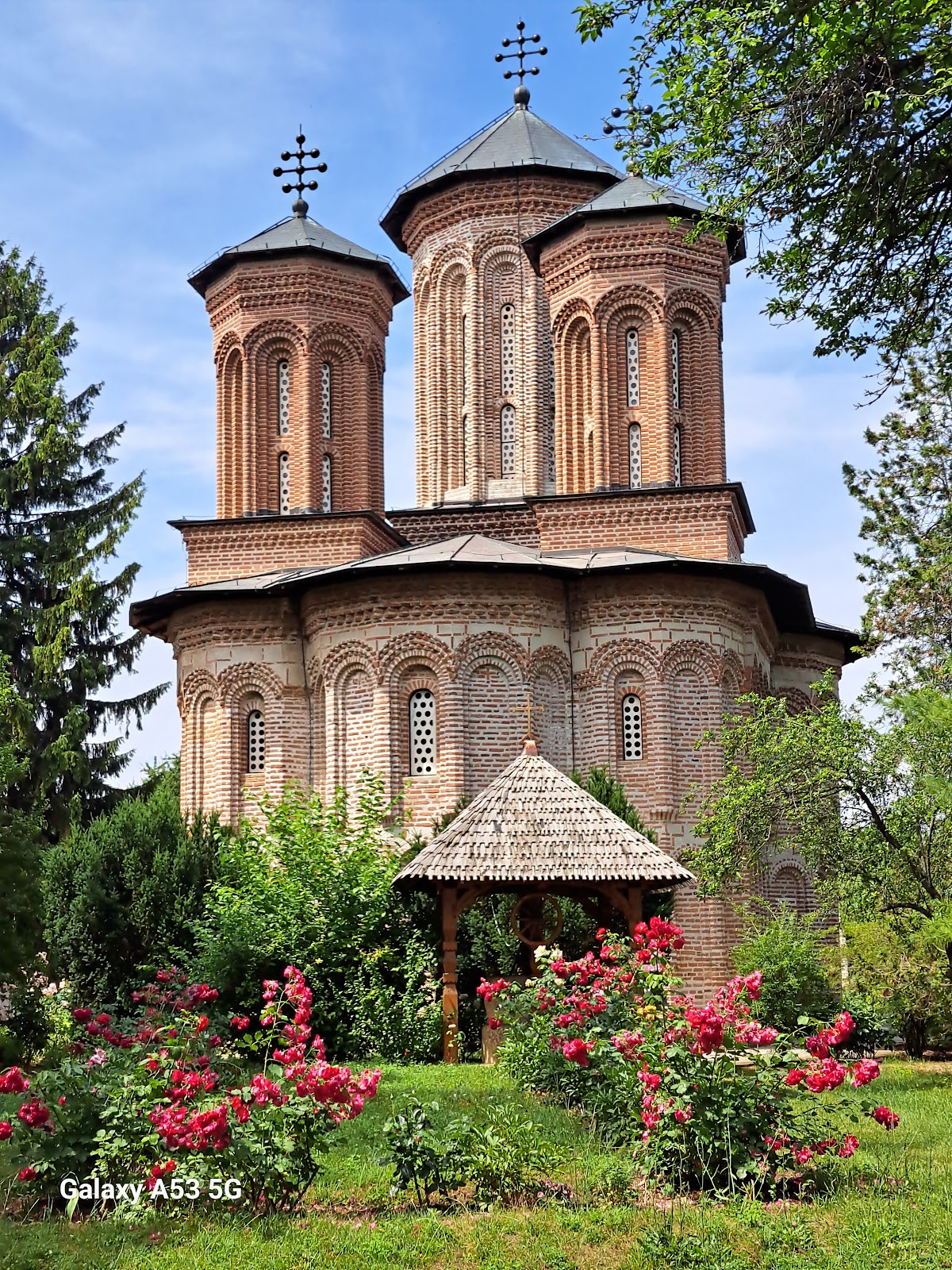
Snagov Monastery stands on a roughly 3-hectare island in the northern part of Lake Snagov, in Ilfov County, about 40 km north of Bucharest. It is thought to be one of the late foundations of Mircea the Elder, first documented in 1408. Over the centuries it was rebuilt by several Wallachian rulers, including Vlad III the Impaler, Mircea Ciobanul, and Neagoe Basarab — who built the current brick church in Byzantine style between 1517 and 1521.
Around 1456, Vlad the Impaler added a defensive wall, a tower that also served as a bell tower, a prison for treacherous boyars, and, according to legend, an underwater escape tunnel. Local tradition, echoed by historians such as Alexandru Odobescu and Nicolae Iorga but never scientifically confirmed, holds that Vlad the Impaler's body was buried here after his death in 1476; the tombstone in front of the royal doors remains the site's most visited spot.
Archaeological digs led by Dinu Rosetti in 1933-1934 found no conclusive evidence. The interior painting, redone in 1815 by Gheorghe Zugravul and under restoration since 2003, is representative of Wallachian church art. Only the church, the bell tower, and a well attributed to Vlad the Impaler survive from the old complex. The monastery has been under restoration since 1991, and since 2009-2010 the island has been reached by a metal footbridge, replacing the old wooden bridge burned down in 1821. Worth visiting for its documented history and for the Dracula legend that draws thousands of visitors each year.
Strada Mânăstirea Vlad Ţepeş, 077117 Siliștea Snagovului