
Attraction
Pissiota Monastery
Pissiota Monastery, in Poienarii Burchii commune in south-western Prahova County, is an Orthodox convent. Its church was built in 1928 by the engineer Nicolae Pissiota and his wife Zoe to designs by the architect Ioan Giurgea, who combined Italian Renaissance style with Byzantine elements.
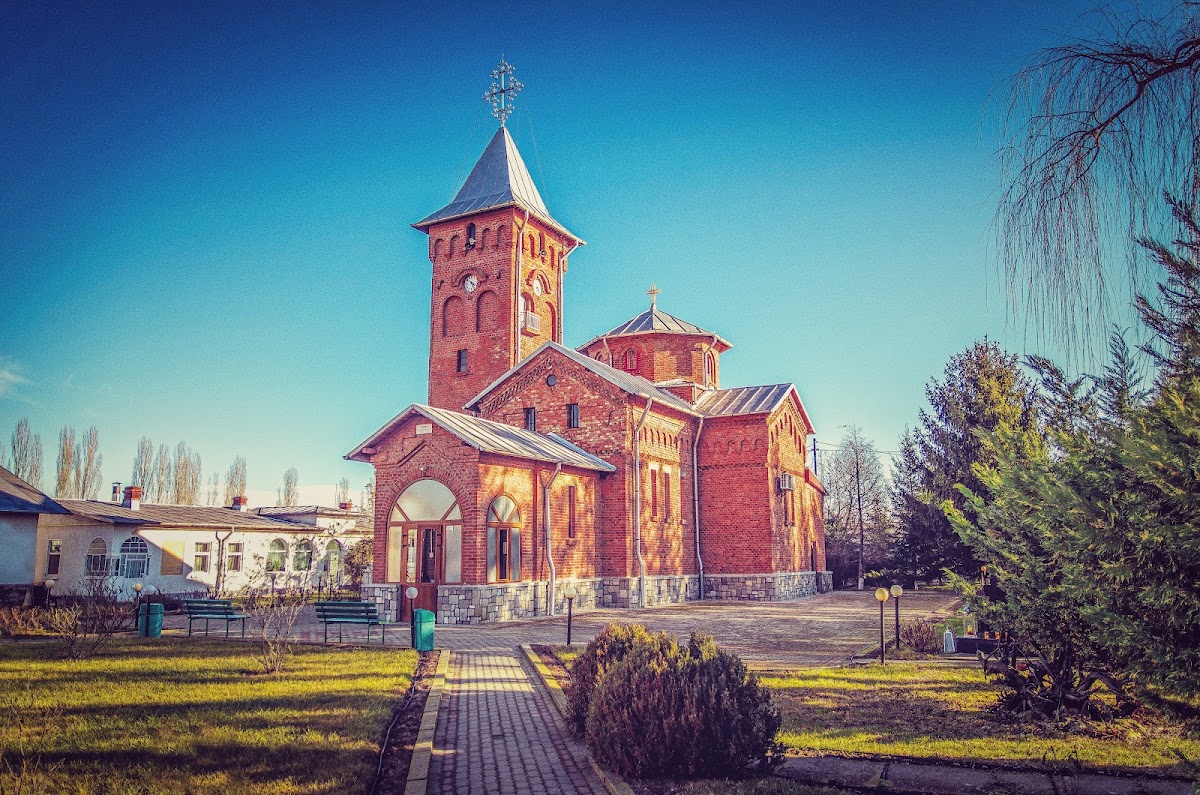
Pissiota Monastery is in the village of Poienarii Burchii, seat of the commune of the same name, on the plain in south-western Prahova County, near the border with Dâmbovița and Ilfov counties. It was founded by the engineer Nicolae Pissiota (1860-1940), a man of Macedonian origin born in Greece who settled in Wallachia, and his wife Zoe Pissiota, on an estate bought from the family of General Gheorghe Angelescu. The church was built in 1928 (some sources give 1928-1929).
The church was designed by the architect Ioan Giurgea and combines Italian Renaissance style with Byzantine elements typical of Romanian churches. The votive portrait inside shows Nicolae and Zoe Pissiota, who were buried in the crypt beneath the church. The monastery keeps an icon of the Mother of God with the Child, regarded as miracle-working, painted by Gheorghe Eftimiu.
The monastery was first a community of monks. In 1948 Patriarch Justinian Marina turned it into a convent, and in 1962 it was closed. Monastic life resumed in 1993, after 31 years, with nuns from Ghighiu Monastery. The monastery is not on the list of historic monuments.
Satul Poienarii Burchii, comuna Poienarii Burchii, județul Prahova