
Attraction
Izvorul Miron Monastery
The Izvorul lui Miron Monastery in the village of Românești was founded by Elie Miron Cristea, the first Patriarch of the Romanian Orthodox Church. It is nicknamed the "Voroneț of Banat" — the only monastery in Banat painted on the exterior, following the Bucovinean tradition. Construction began in 1912, after Bishop Miron Cristea celebrated the Holy Liturgy outdoors in front of 10,000 faithful in 1911, near a warm-water spring that locals subsequently named "Izvorul lui Miron" (Miron's Spring). The monastery is renowned for its water lily pools and the "Izvorul Tămăduirii" basin, whose waters are said to never freeze.
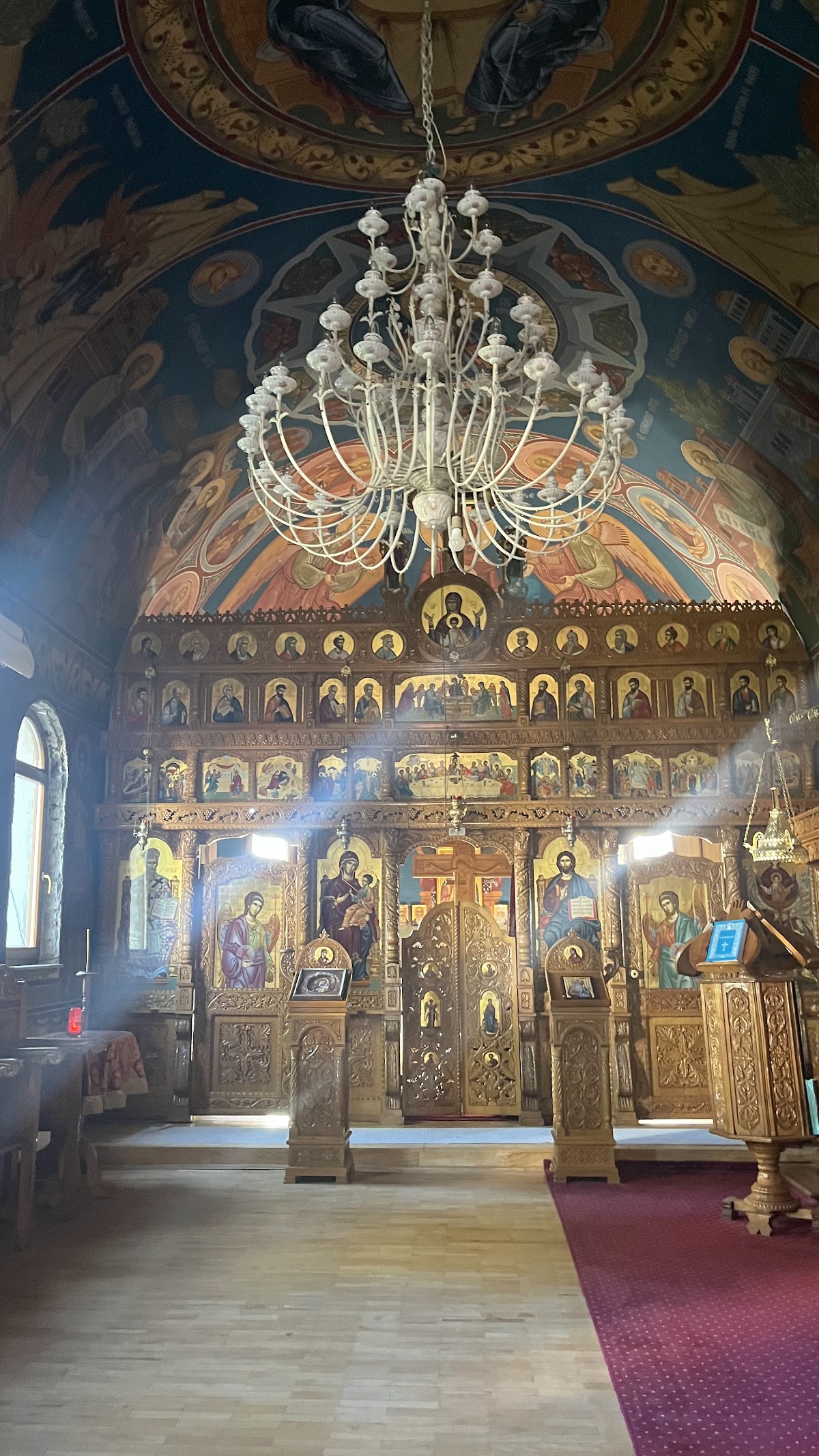
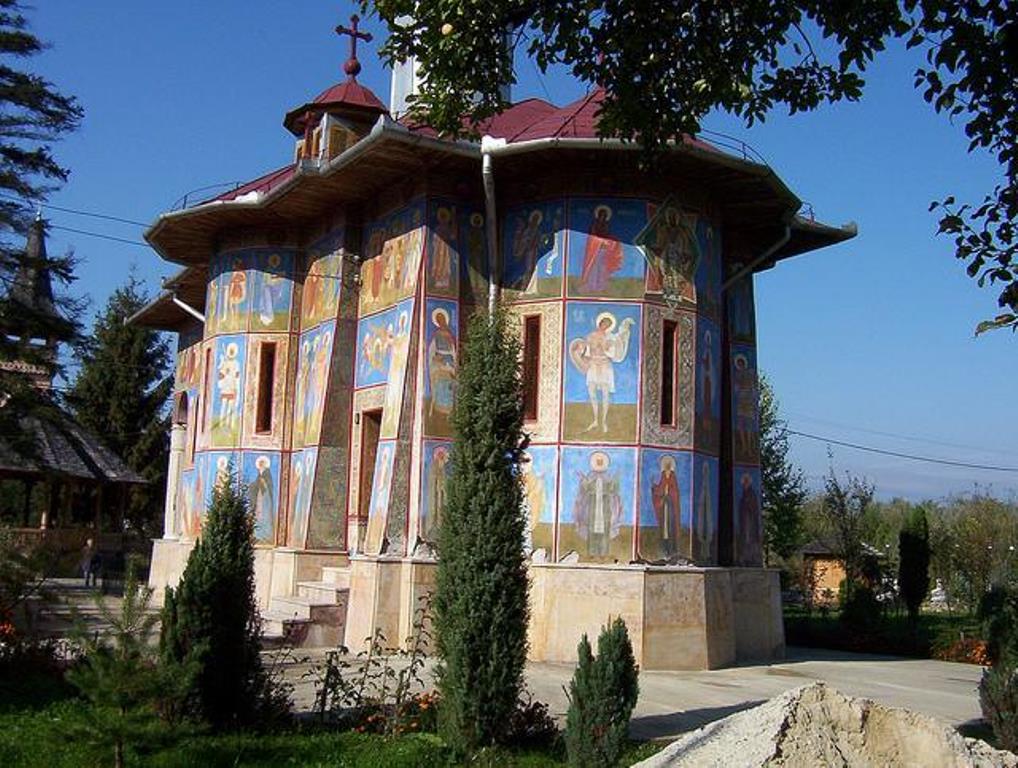
Izvorul lui Miron Monastery is an Orthodox monastic establishment located in the village of Românești, Tomești commune, Timiș County, at the foot of the Munții Padeș, and is one of the most representative monasteries of the Archdiocese of Timișoara. It was founded by Elie Miron Cristea — at the time Bishop of Caransebeș, and later the first Patriarch of the Romanian Orthodox Church and Prime Minister of Romania. In July 1911, after consecrating the church in Făget, Miron Cristea celebrated the Holy Liturgy outdoors in front of 10,000 faithful, near a warm-water spring in a place known as "Balta Caldă". Captivated by the beauty of the area, he decided to build a monastery, and the locals named the spring "Izvorul lui Miron". The church's foundation was laid in 1912, through the donation of sisters Maria and Susana Glava from Românești; it was completed in 1929 and inaugurated in 1931. The church was built from stone and brick in the traditional form of Byzantine architecture. What makes it unique in Banat is its exterior painting, carried out after 1980 following the ancient Bucovinean tradition of churches painted on the outside — a feature that earned it the nickname "Voroneț of Banat". The church was reconsecrated on 20 July 1991, on the feast day of "Saint Prophet Elijah the Tishbite". The monastery is renowned for its exceptional natural surroundings — a grove with water lily pools and thermal waters. The "Izvorul Tămăduirii" basin is associated with the legend that its waters never freeze. The entrance to the complex is through a large carved wooden gate depicting religious scenes, covered with shingles in the style of Maramureș gates. The complex includes a religious museum housing icons on wood and glass, old church books, and a censer brought from the Holy Land. Since 2015 it has functioned as a convent. In the cemetery of the village of Românești, a 17th-century wooden church dedicated to the Nativity of Saint John the Baptist is also preserved. Access is via the DN68A Lugoj–Făget–Coșava road, then along DL108 towards Românești.
sat Romanesti, comuna Tomesti, judetul Timis