
Attraction
Bucium Monastery
Bucium Monastery, dedicated to the Transfiguration of the Lord, is an active Orthodox monastic complex in the village of Bucium, Șinca commune, Brașov County. The old site, documented since 1737, was burned in 1761 by Austrian general Bukow, as part of the campaign to destroy Orthodox monasteries in Transylvania; it was only properly re-established in 1990, after the Revolution, by Metropolitan Antonie Plămădeală. It belongs to the Sibiu Archdiocese and stands as a landmark of monastic life in southern Transylvania.
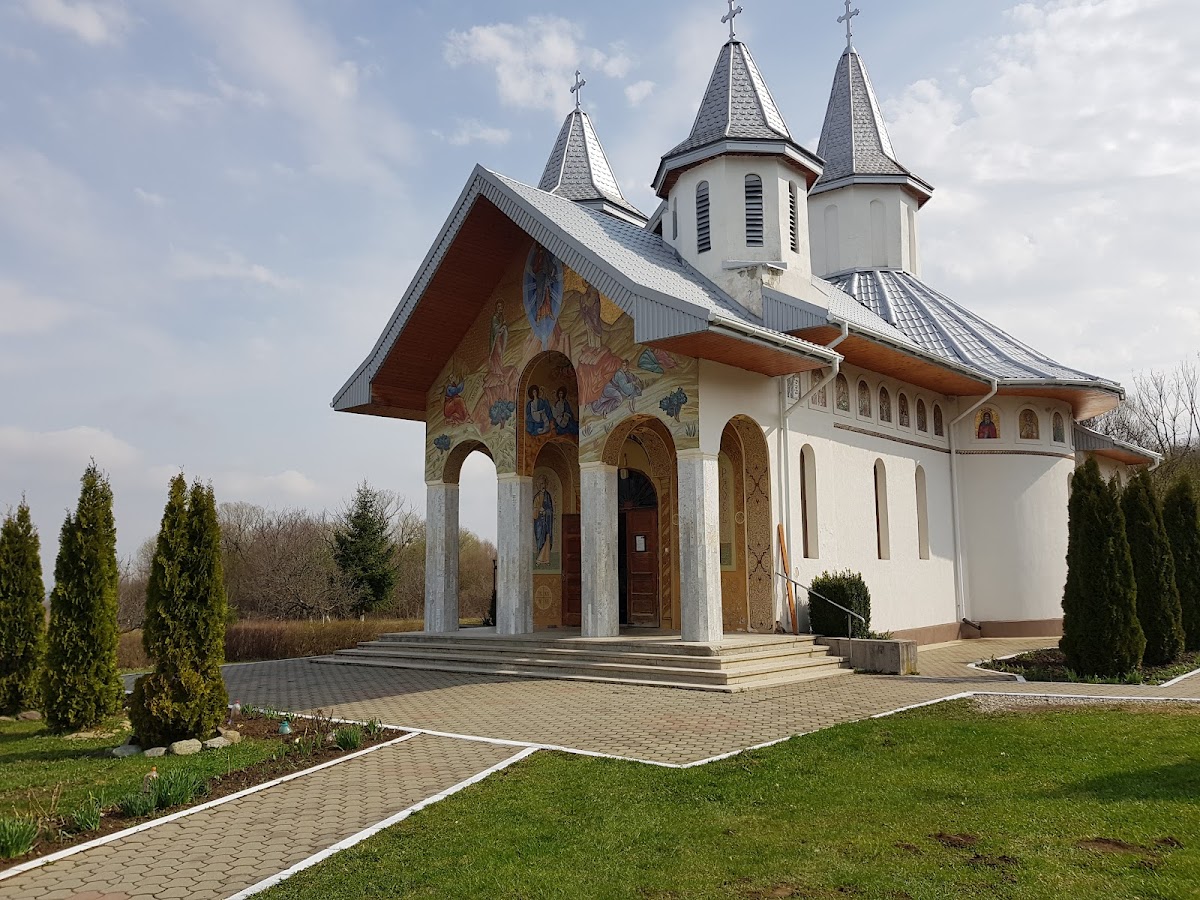
Bucium Monastery, dedicated to the Transfiguration of the Lord, is located in the village of Bucium, Șinca commune, Brașov County, at the foot of the Făgăraș Mountains. The complex belongs to the Sibiu Archdiocese (Metropolitanate of Transylvania) and serves as an active center of monastic life.
The old monastic site at Bucium is documented since 1737. In 1761, the monastery was burned on the orders of Austrian general Adolf Nikolaus von Bukow, sent by Empress Maria Theresa to suppress Orthodox resistance in the Făgăraș region — the same campaign that, around the same time, destroyed more than 150 Orthodox monasteries and churches across Transylvania, including Brâncoveanu Monastery at Sâmbăta de Sus. In 1928, Queen Marie launched an ambitious project to build, on the site of the old monastery, a foundation called "Reunification of the Nation Monastery," but the plan was never completed due to the circumstances of the interwar period. In 1953, Metropolitan Nicolae Bălan approved the construction of a new church at Bucium, but work stalled during the communist regime.
The monastery was only properly re-established in 1990, after the fall of communism, with approval from Metropolitan Antonie Plămădeală of Transylvania. Since 2015, the community has been led by Father Superior, Hieromonk Teodosie Stejar, under the guidance of Metropolitan Laurențiu Streza of Transylvania. Recent projects at the monastery include renovating the church porch and building a set of carved gates at the courtyard entrance.
The Șinca commune area, with a population of about 3,000, has a documented history spanning several centuries. It is reached from the city of Brașov, via road DJ 112 toward Șinca Veche, covering about 55 km, or from Făgăraș, about 17-35 km to the southeast (sources vary slightly on the exact route). The county road is passable year-round. Bucium Monastery is worth visiting both for its active liturgical role and for its turbulent history, representative of Romanian Orthodox resistance in Transylvania across the 18th to 20th centuries.
Satul Bucium comuna Șinca județul Brașov