
Attraction
Lacul Razim
Lacul Razim, known in antiquity as Halmyris and in the Middle Ages as Iancina, is the largest lake in Romania, with an area of 415 km² and a maximum depth of 2.8 m. Located in the southern part of the Danube Delta, Tulcea County, it forms part of the Razim-Sinoe Lagoon Complex and accounts for 20% of the surface area of the Danube Delta Biosphere Reserve, recognised by UNESCO since 1990. It functioned for thousands of years as an open marine gulf of the Black Sea, its transformation into a lake occurring through the gradual accumulation of sand bars formed by littoral currents.
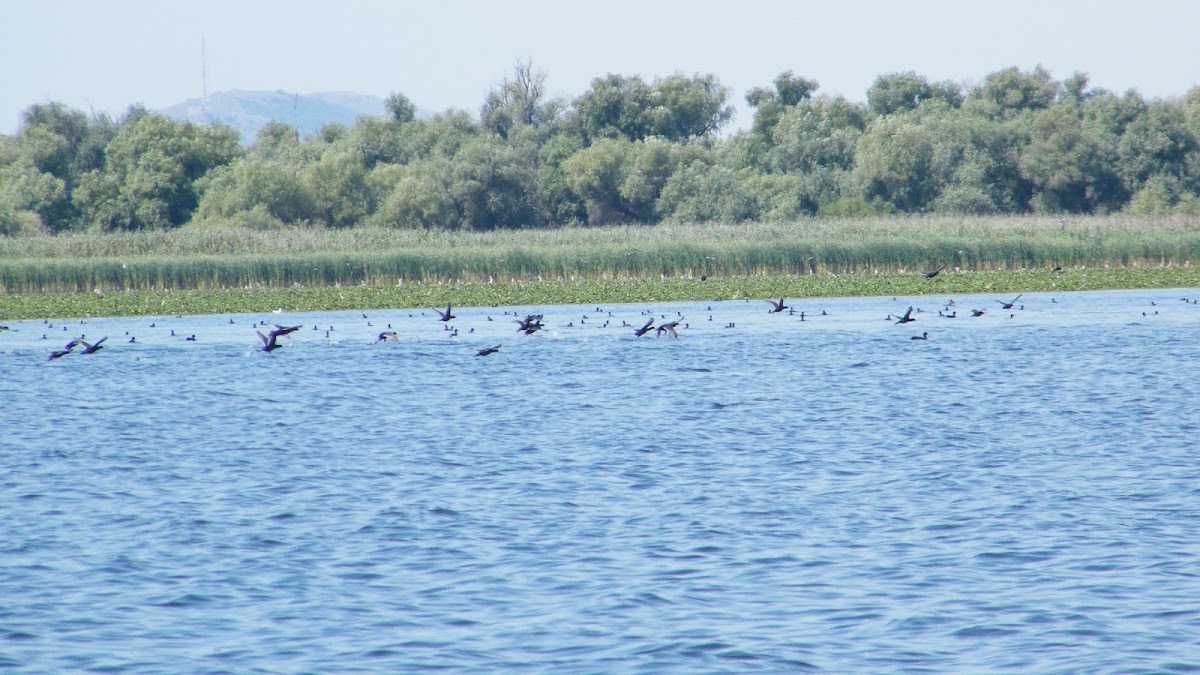
Lacul Razim, also known as Razelm, is the largest lake in Romania, with an area ranging between 394 and 415 km² depending on seasonal variations, and a maximum depth of 2.8 m. Known in antiquity as Halmyris and in the Middle Ages as Iancina, the lake functioned for thousands of years as an open marine gulf of the Black Sea, gradually transformed through the accumulation of sand bars formed by littoral currents and Danube alluvial deposits — a process spanning over 1,000 years. It forms part of the Razim-Sinoe Lagoon Complex, located in the southern part of the Danube Delta, Tulcea County, a system of lagoons covering a total area of approximately 1,145 km², included within the Danube Delta Biosphere Reserve recognised by UNESCO since 1990 and a Ramsar site. Lacul Razim alone accounts for 20% of the reserve's surface area. Following hydraulic engineering works carried out after 1970, the complex was divided into two distinct units: the Razim Unit — comprising the lakes Razim, Golovița, Zmeica and Babadag, isolated from marine influence and converted into a freshwater reservoir for irrigation — and the Sinoe Unit, which has retained its connection to the Black Sea. This modification significantly reduced aquatic biodiversity, leading to the disappearance of certain marine species and the proliferation of freshwater ones. The lake contains three islands: Popina and Grădiștea in the north, and Bisericuța in the south, the latter situated near the ruins of the Cetatea Argamum fortress. The lake is home to significant colonies of great white pelicans and Dalmatian pelicans, herons, cormorants and numerous species of wild ducks, making it a key destination for ornithologists. It is well worth visiting for its exceptional size, remarkable avifaunal diversity, and its unique historical and geographical context in Europe.
Jurilovca judetul Tulcea