
Attraction
George Enescu Memorial House in Sinaia (Luminiș Villa)
The George Enescu Memorial House occupies Luminiș Villa in the Cumpătu district of Sinaia, built in 1923-1926, where the composer lived and worked until 1946. Opened as a museum in 1995, it has been a branch of the George Enescu National Museum since 2007 and is a listed historic monument (LMI code PH-II-m-A-16695).
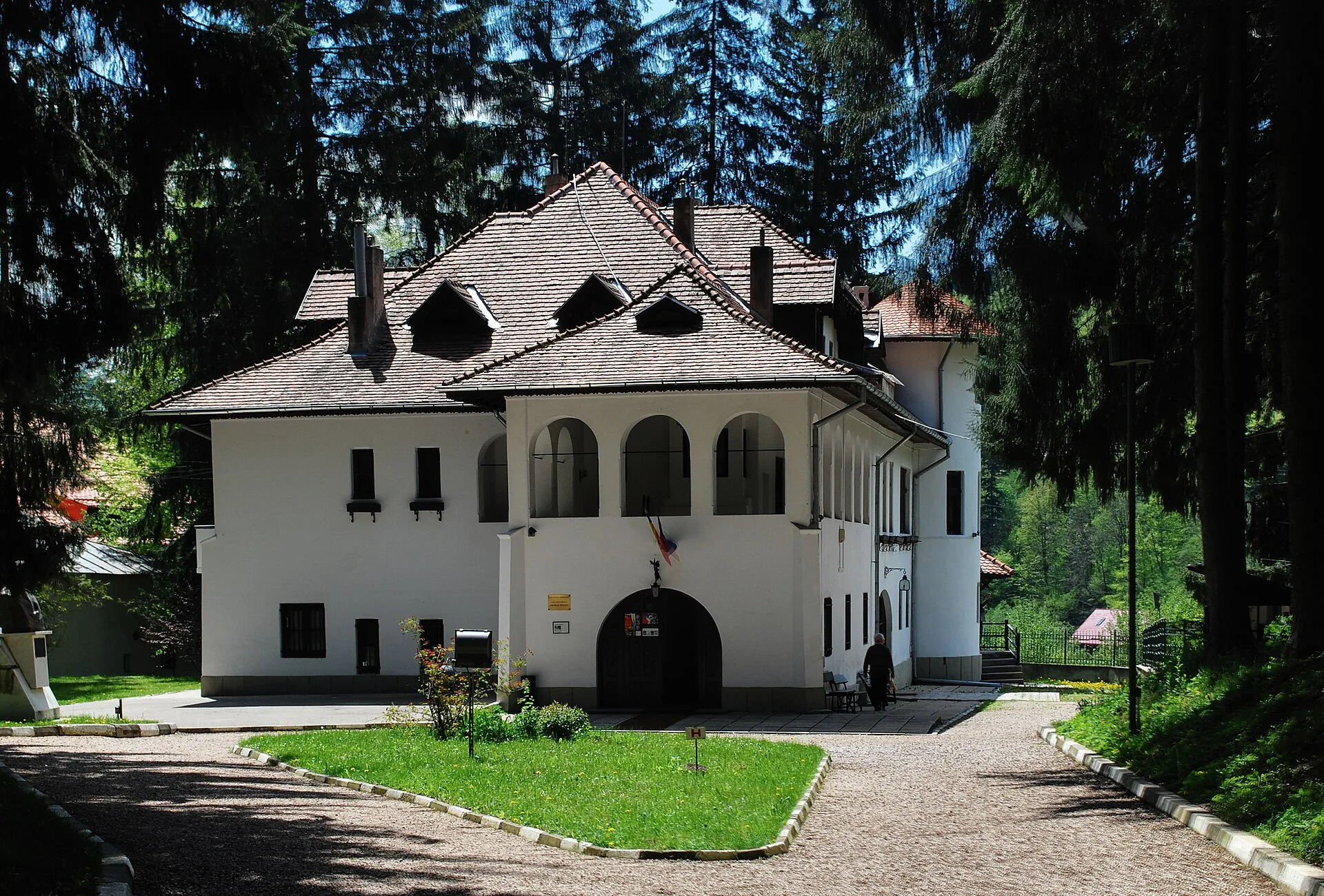
Foto: Andrei Stroe, CC BY-SA 3.0 RO, via Wikimedia Commons
The George Enescu Memorial House is in Luminiș Villa, at Aleea Yehudi Menuhin no. 2 in the Cumpătu district of Sinaia, on the right bank of the Prahova. The Neo-Romanian villa was built in 1923-1926 to George Enescu's own plans, with the help of architect Radu Dudescu, who later added the attic floor. It was paid for with the earnings from the composer's first American tour.
Enescu's ties with Sinaia began in 1898, when Queen Elisabeth (Carmen Sylva) gave him a study room at Peleș Castle. For about two decades, until 1946, he came back to Luminiș every year for at least a month between tours. In 1947, while living in Paris, he donated the villa to the Romanian state as a place where artists could work and rest. The memorial house opened in September 1995, with the support of the violinist Yehudi Menuhin, Enescu's pupil.
A marble bust of the composer by the sculptor Ion Irimescu stands at the entrance. The living room holds the Ibach piano on which Enescu composed and played for family and friends, and a spiral staircase leads up to the belvedere and the attic. Visitors can see his wife's eclectically decorated room and Enescu's own room, furnished in Romanian style. The two attic rooms display documents on his life and work.
The villa is a listed historic monument, LMI code PH-II-m-A-16695. Since 2007 the memorial house has been a branch of the George Enescu National Museum in Bucharest, and it is open to visitors.
Aleea Yehudi Menuhin nr. 2, cartier Cumpătu, Sinaia, județul Prahova