
Attraction
Cheile Turenilor (Cheile Turului)
Cheile Turenilor, also known as Cheile Turului or Cheile Copandului, is a nature reserve of national interest located in the southern part of Cluj County, between the villages of Tureni and Copăceni, approximately 22 km from Cluj-Napoca. The gorge was carved by Valea Racilor through Jurassic limestone, in the northern part of the Munții Trascău, and stretches for approximately 1.85 km, with rocky walls reaching heights of up to 150 metres. The area is valued for its wild karst relief, its nearly 30 caves, and the via ferrata route installed on the gorge's slope.
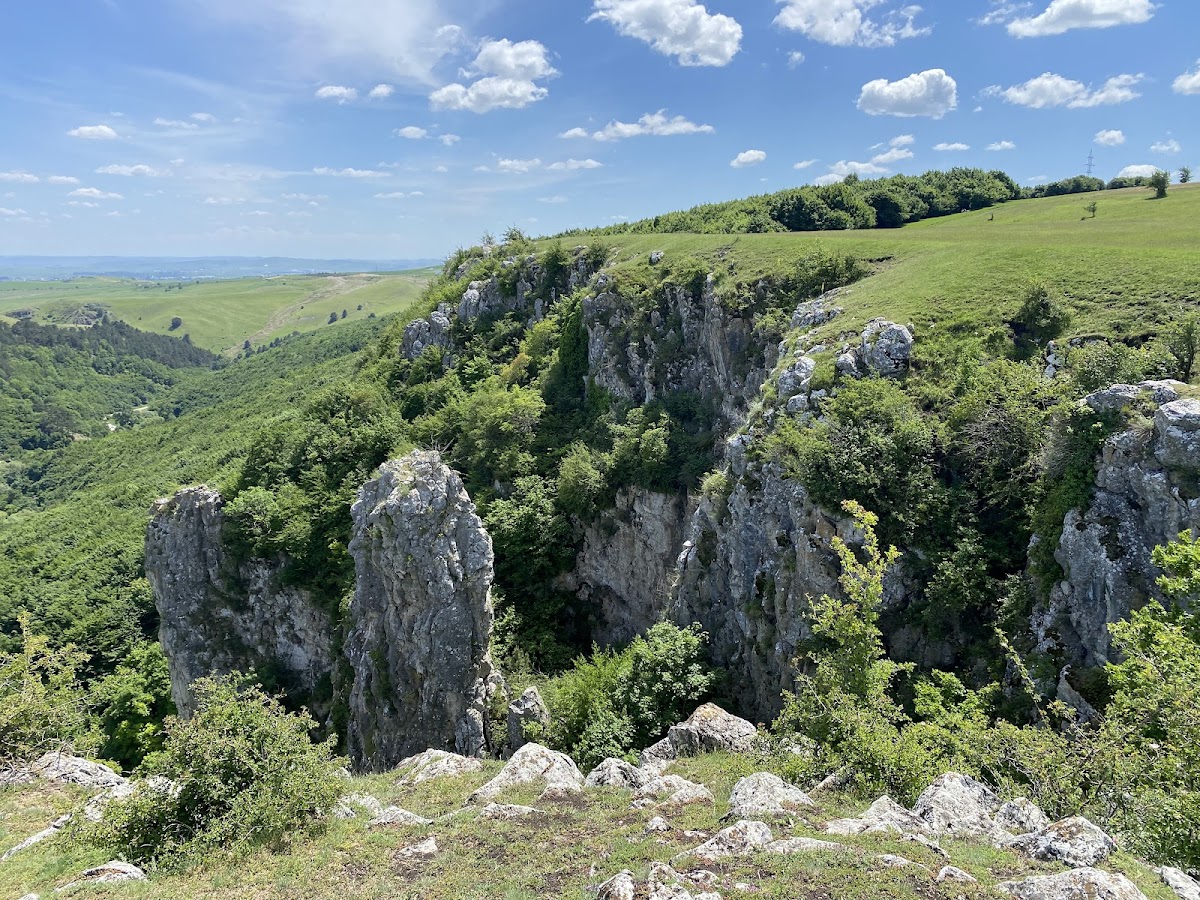
Cheile Turenilor, also known as Cheile Turului or Cheile Copandului, is a nationally protected area of mixed type, located in the southern part of Cluj County, north of the municipality of Turda, between the villages of Tureni and Copăceni, approximately 22 km from Cluj-Napoca and 12 km from Turda. The reserve covers an area of approximately 25 hectares, was declared a protected area in 2000, and is included in the Natura 2000 site of community importance "Cheile Turenilor". The gorge was carved by the waters of Valea Racilor through the Jurassic limestone of the northern part of the Munții Trascău, part of the Munții Apuseni, and extends for approximately 1.85 km, with steep rocky walls reaching heights of up to 150–160 metres in the narrowest sections. The area's karst relief is rich and varied, encompassing waterfalls, potholes, lapies, sinkholes, and approximately 29 caves, including Peștera cu Silex. Unlike the neighbouring and better-known Cheile Turzii, Cheile Turenilor are wilder, less developed, and less frequented, offering a sense of untouched nature. To facilitate passage through the narrow and rugged gorge, the Cluj Salvamont-Salvaspeo Service equipped the left-hand slope in 2018 with steel cables and metal rungs in the form of a via ferrata; traversing the gorge along the streambed requires appropriate equipment (harness, helmet, lanyard), while the route along the slopes is considerably easier. The area also holds significant archaeological value and has been declared an archaeological park following the discovery of numerous settlement complexes dating from the Neolithic period, as well as Dacian traces, tools, pottery, and coins. The flora and fauna of the reserve are rich, featuring rare rock-dwelling plant species such as the white rock carnation, as well as numerous protected species of butterflies and amphibians, including the Transylvanian common newt. Cheile Turenilor are connected to Cheile Turzii by hiking trails, offering outdoor enthusiasts the opportunity to explore both gorges.