
Attraction
Cetatea Turnu
Cetatea Turnu is a ruined medieval fortress situated on the left bank of the Danube, south of the municipality of Turnu Măgurele, Teleorman County. First documented around 1394, during the reign of Mircea cel Bătrân, the fortress was part of a chain of fortifications built along the Danube to defend Țara Românească against Ottoman expansion. Over the centuries, it was contested between Wallachian rulers and the Ottomans, and is associated with figures such as Mircea cel Bătrân, Vlad Țepeș, and Mihai Viteazul. Today, the ruins of its walls and the tower that gave it its name are still standing.
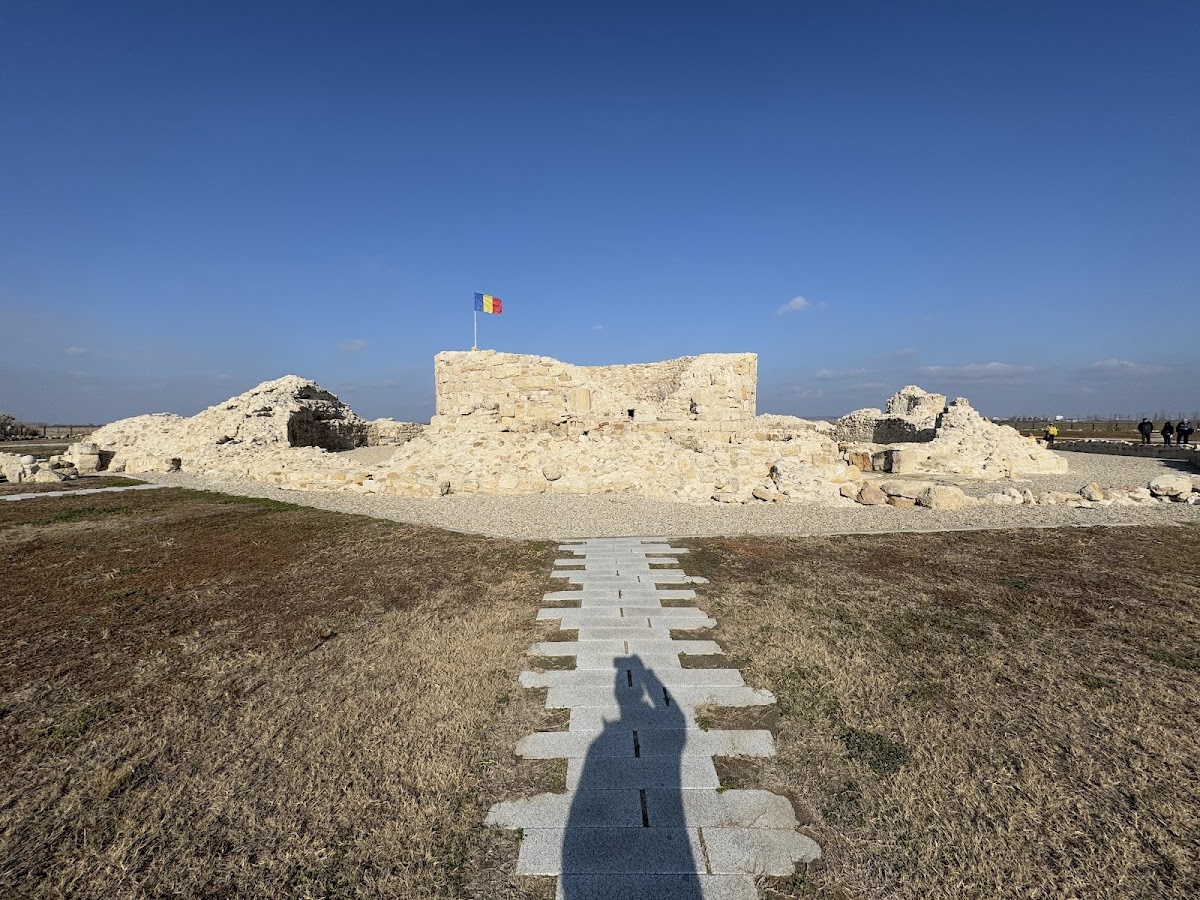
Cetatea Turnu, also known historically as Turris, Nicopolis Minor, or Holavnic, is a ruined medieval fortress situated on the left bank of the Danube, approximately 3 km south of the municipality of Turnu Măgurele, Teleorman County, in open countryside near the confluence of the Sâi river with the Danube. The site has a long history: archaeological research attests to the existence of earlier fortifications on this location, built on the ruins of a Roman castrum. Historical tradition associates the site with the emperors Trajan and Constantin cel Mare, although the most securely dated archaeological layer belongs to the end of the 14th century. The fortress itself is linked above all to the reign of Mircea cel Bătrân, being first documented around 1394–1397; together with the fortresses at Giurgiu, Turtucaia, and Brăila, it formed part of a chain of fortifications along the Danube intended to defend Țara Românească against the Ottoman threat. The structure built during the time of Mircea took the form of a massive tower with thick walls of stone mixed with brick, reinforced with timber beams, and also served as an important customs post on the trade routes connecting the Transylvanian towns with the Danube. Towards the end of Mircea cel Bătrân's reign, the fortress came under Ottoman control and was converted into a Turkish raia within the sanjak of Nicopole. It returned temporarily to Romanian control during the reigns of Vlad Țepeș, in the context of his anti-Ottoman campaign in the winter of 1461–1462, and of Mihai Viteazul. It was not until the Treaty of Adrianople in 1829 that the fortress was permanently recovered by Țara Românească, at which point it was set on fire and demolished by the Ottomans as they withdrew. Today, the ruins of the walls and the central tower that gave the fortress its name still survive, largely overgrown with vegetation. The site is listed as a historical monument and has been the subject of restoration and consolidation works begun in 2018. A popular legend is also associated with the fortress, according to which a secret tunnel beneath the ruins once connected it to the opposite bank of the Danube.
Turnu Citadel, Drumul Cetăţii, Turnu Măgurele