
Attraction
Sucidava Fortress
Sucidava Fortress is a Romano-Byzantine archaeological complex located in the Celei neighbourhood of the city of Corabia, Olt County, on the bank of the Danube. Human occupation of the site has been documented since the Neolithic, and the fortress functioned as an important Roman military and port centre, later rebuilt by Emperor Justinian in the 6th century. Its most spectacular feature is the Roman secret well, unique in Europe, accessible through a 26-metre underground corridor.
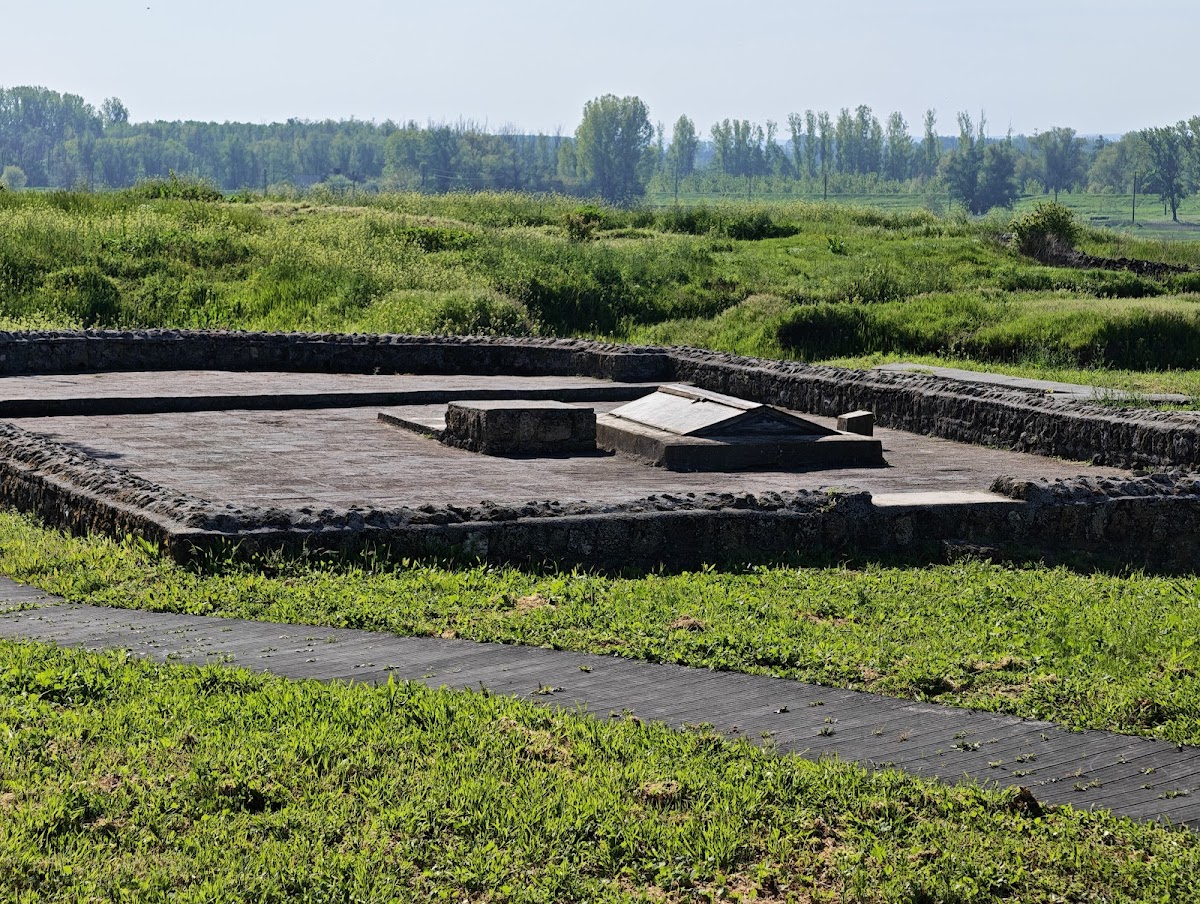
Sucidava Fortress is one of the most important archaeological complexes in southern Romania, located in the Celei neighbourhood of the city of Corabia, Olt County, on the left bank of the Danube. Human occupation of the site spans more than five millennia, with Neolithic traces belonging to the Coțofeni culture. During the Dacian-Roman wars, an earthen fort was built here, and after the conquest of Dacia a Roman vicus developed. In 250 AD, the settlement was granted the status of a town. In the 4th century, Emperor Constantin cel Mare built a bridge across the Danube here, approximately 2.5 km long, one of the longest in antiquity. After its destruction by the Huns, the fortress was rebuilt by Byzantine Emperor Justinian between 527 and 535, when defensive walls, towers, barracks, Roman baths with underfloor heating, and an early Christian basilica were erected — the oldest monument of this type discovered north of the Danube. The fortress was definitively destroyed around the year 600 by Slavs and Avars. The most remarkable archaeological feature is the Roman secret well: a 26-metre underground corridor descending 18 metres in depth, which provided access to a water spring outside the walls in the event of a siege — considered unique in Europe. Archaeological excavations began in 1936 and continued for 50 years. The fortress covers approximately 22 hectares and is accessible from Craiova via DN6 and DN54, or from București via DN52 through Turnu Măgurele.
Corabia judetul Olt