
Attraction
Târgșoru Vechi Archaeological Reserve
The Târgșoru Vechi Archaeological Reserve lies about 8 km west of Ploiești on the banks of the Leaota stream and covers more than 17 ha with traces of settlement from the Upper Palaeolithic to the nineteenth century. Excavations here have uncovered a Roman fort with baths, a third- to fourth-century cemetery and the princely court of the medieval market town of Târgșor, first documented in 1413.
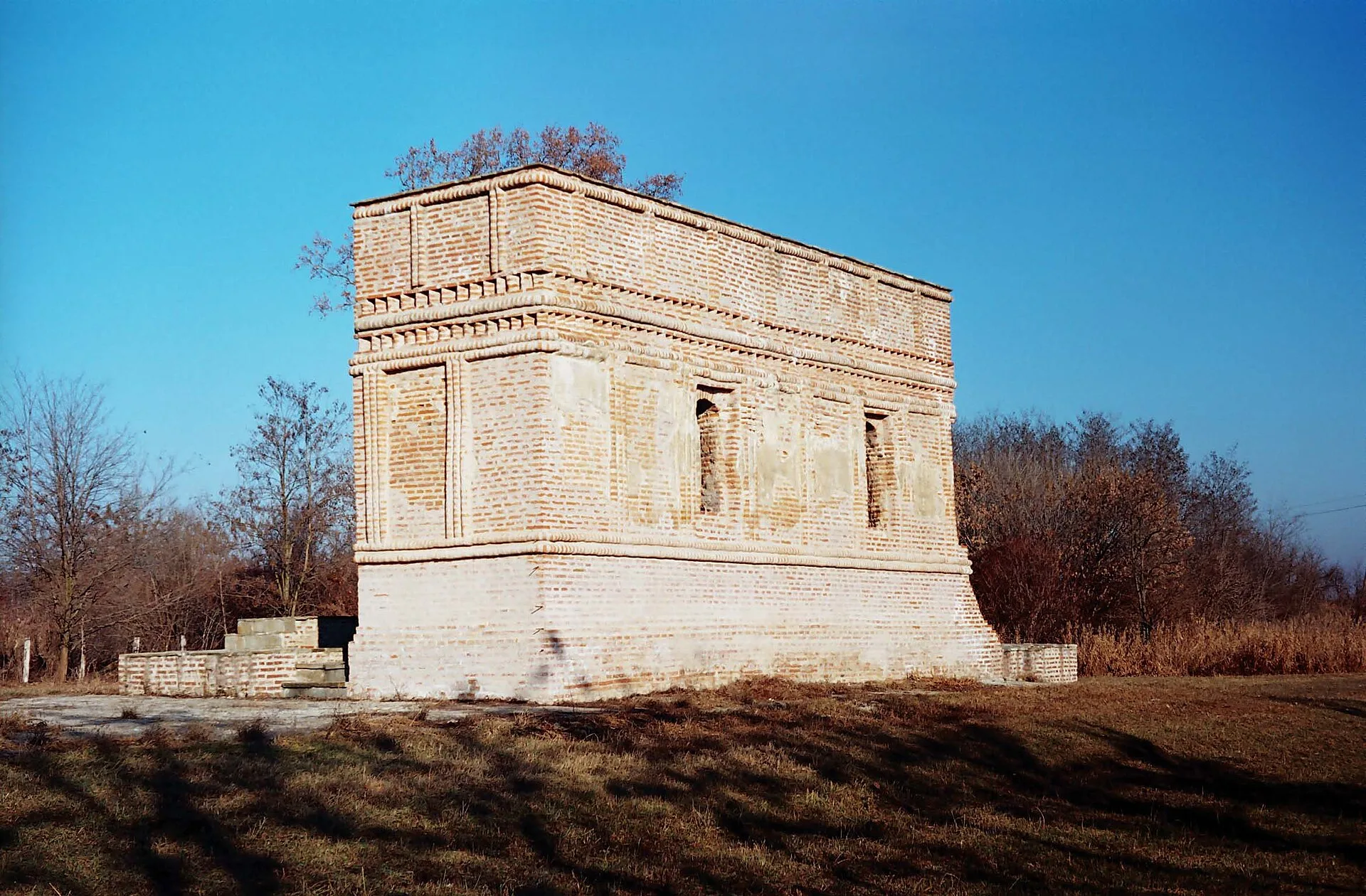
Foto: Teodor Ioan Diaconu, CC BY-SA 4.0, via Wikimedia Commons
The Târgșoru Vechi Archaeological Reserve is in Târgșoru Vechi commune, about 8 km west of Ploiești, on the right-hand side of the Ploiești-Târgșor road, on more than 17 ha crossed by the Leaota stream. The site is a listed historic monument (LMI code PH-I-s-A-16216) and in 1991 the National Commission for Monuments, Ensembles and Historic Sites declared it a reserve of national public interest. Systematic research began in 1956 with a team led by Dorin Popescu, and the archaeologist Gheorghe Diaconu worked here for 45 years, described by CIMEC as "the soul of the excavation".
The excavations have revealed traces of settlement from every period between the Upper Palaeolithic and the nineteenth century: Neolithic settlements (Starčevo-Criș, Boian, Gumelnița), Bronze Age remains of the Tei culture and Iron Age settlements. A Roman fort and the baths outside its walls date from the second century AD. The cemetery of the third and fourth centuries, east and south-east of the princely court, has 470 graves and contains a Sarmatian horizon and one of the Sântana de Mureș-Chernyakhov type. Three superimposed settlements of the second to third, fifth to seventh and eighth to tenth centuries complete the sequence.
The medieval market town of Târgșor is first documented on 6 August 1413, in a privilege granted by Mircea the Elder to the merchants of Brașov, and in the early fifteenth century it appears in documents as Novum Forum. Of the princely court built in the town, the curtain wall, the foundations of the princely houses and of the other buildings inside the enclosure survive, together with the church rebuilt by Antonie Vodă of Popești (1669-1672), now the church of Turnu Monastery. The site also contains the ruins of the White Church (1570) and of Mihnea Turcitul's church, known as the Red Church (late sixteenth century), both listed monuments. The town declined from the seventeenth century as Ploiești grew.
The reserve is managed by the Prahova County Museum of History and Archaeology, which displays the finds from Târgșoru Vechi in two rooms of its building in Ploiești. West-north-west of the site stands the Moruzi manor, built in the early twentieth century in Neo-Romanian style and also a listed monument. According to CIMEC, the site is open in summer from 10:00 to 18:00.
Satul Târgșoru Vechi, comuna Târgșoru Vechi, județul Prahova (șoseaua Ploiești-Strejnic-Târgșoru Vechi)