
Attraction
Cetatea Liteni
Cetatea Liteni, also known as Cetatea Lita or Cetatea lui Gelu, is a ruined medieval fortress located approximately 3 km south-west of the village of Liteni, in the commune of Săvădisla, Cluj County, perched on a rock overlooking the Valea Iara. Documented as early as 1324 under the Latin name "Castrum Leta", it served as a royal fortress with an important strategic role, guarding — alongside the fortresses of Bologa and Colțești — one of the routes of the Salt Road. Today, its ruins, considered among the most picturesque in Transilvania, offer a spectacular panoramic view of the valley.
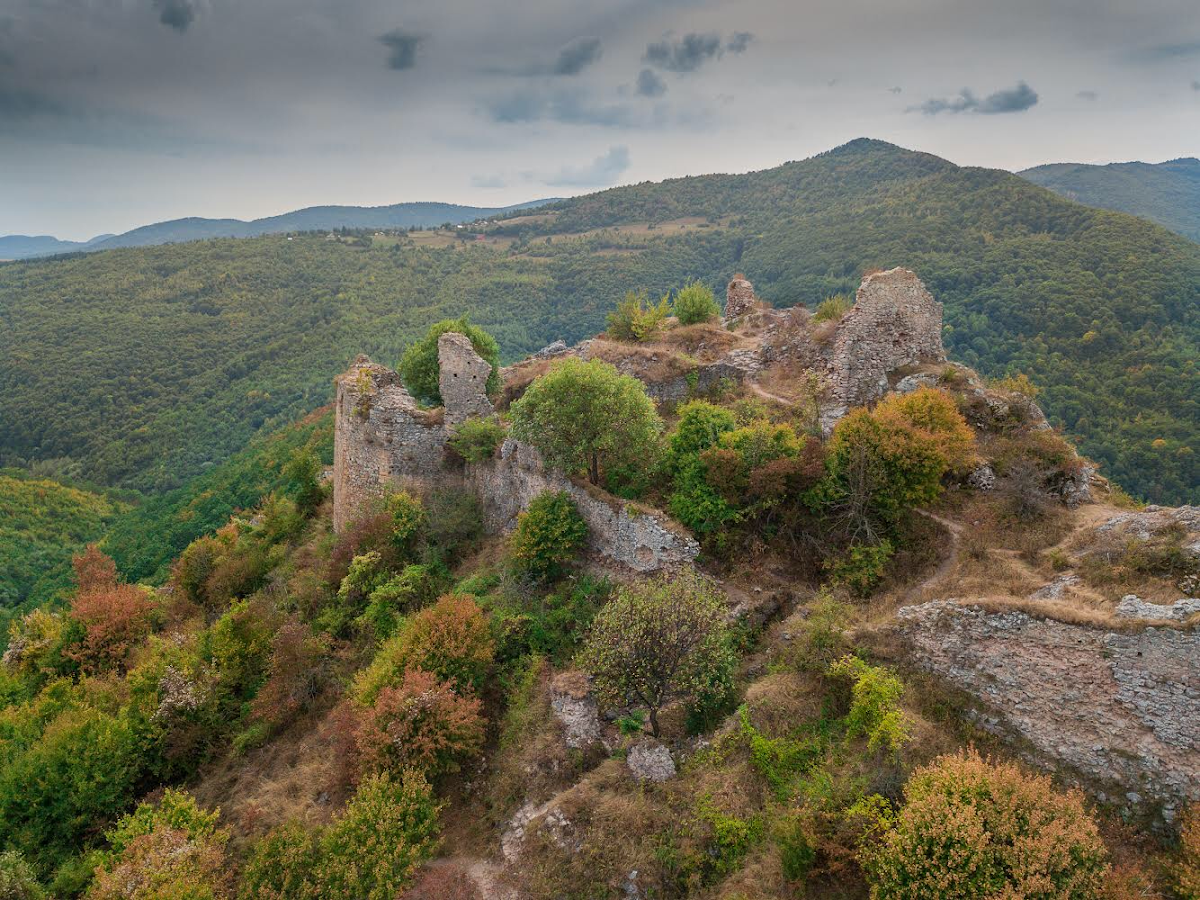
Cetatea Liteni, known throughout the centuries also as Cetatea Lita, Cetatea Geczy, or Cetatea lui Gelu, is a ruined medieval fortress situated approximately 3 km south-west of the village of Liteni, in the commune of Săvădisla, Cluj County, about 30 km south-west of the city of Cluj-Napoca. The fortification stands on a tall rock overlooking the Valea Iara, set within a mountainous natural landscape surrounded by extensive forests. The fortress is documented from the year 1324 under the Latin name "Castrum Leta", and functioned as a royal fortress with a significant military and strategic role: together with the fortresses of Colțești (in the commune of Rimetea, Alba County), Bologa, and the Castle of Gilău, it watched over and defended one of the region's main trade routes, the Salt Road — salt having been for centuries one of Transilvania's most valuable resources. Ellipsoidal in shape, the fortress had numerous owners over the centuries: in 1405, King Sigismund of Luxembourg gifted it to the city of Cluj, after which it passed through the hands of several noble families, among its lords being Ladislau Kán and Ioan de Hunedoara, who in 1456 donated it to a relative of the Pongrácz family. The fortress was severely damaged on 12 February 1562, when, following a siege, the gunpowder store in its underground chambers exploded. In 1569, the ruins and the surrounding forests were granted to Geczy János, who rebuilt the fortress and made it habitable once more; his descendants lived there for nearly a century, until the second half of the 17th century, and it is from this owner that one of the fortress's names derives. On the Josephine Map of Transilvania (1769–1773), the structure appeared under the name "Old Castle", while locals know it as "cetatea lui Gelu", associating it with the figure of the legendary voivode. The exact reasons for its permanent abandonment are not known, but it is presumed to have occurred during the Kuruc conflicts at the beginning of the 18th century. Today, Cetatea Liteni is listed as a historical monument and, although it is in a ruined state and is neither fenced nor supervised, it remains one of the most picturesque medieval ruins in Transilvania, cherished by history enthusiasts and hikers alike.
Dealul Cetatii Cluj-Napoca judetul Cluj