
Attraction
Histria Fortress
Histria is the oldest archaeologically attested city on the territory of Romania, founded by Greek colonists from Miletus around 657–630 BC on the shores of the Pontus Euxinus. Located today within the commune of Istria, Constanța County, on the edge of Lake Sinoe — the former marine gulf that served as its harbour — the site covers 82 hectares and preserves stratigraphic layers from five distinct phases of urban development, spanning 14 centuries of continuous habitation. Vasile Pârvan, who identified the site in 1914, called it "the Romanian Pompeii". The first coins ever minted on the territory of present-day Romania were struck at Histria.
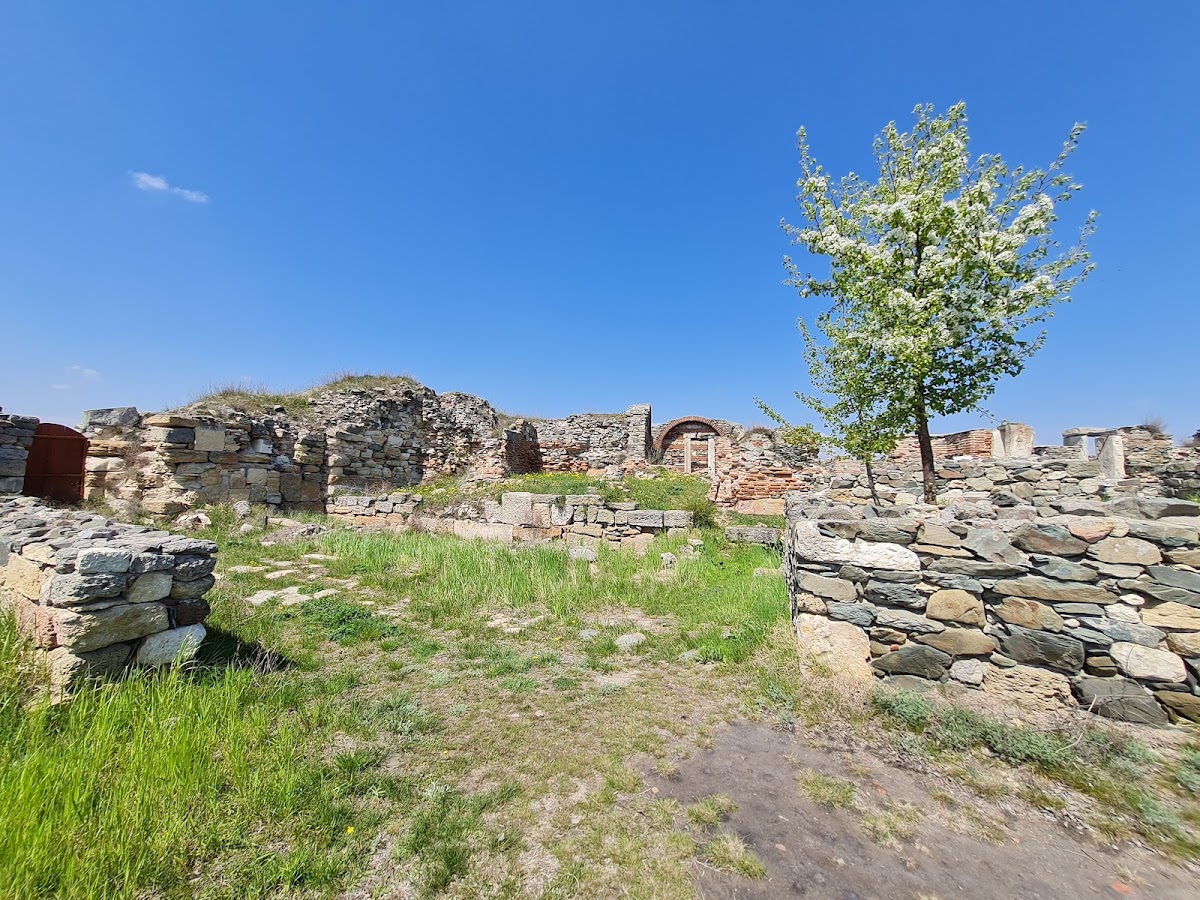
Histria is the most important archaeological site on the Romanian Black Sea coast and the oldest city with certainty attested on the territory of Romania, founded by Greek colonists from Miletus around 657–630 BC — the exact dates are disputed in the specialist literature. Located within the present-day commune of Istria, Constanța County, on the edge of Lake Sinoe, the city was originally situated directly on the shore of the Pontus Euxinus (the Black Sea), with its harbour operating in a natural gulf. The gradual silting of the gulf through the accumulation of Danubian alluvial deposits formed the Razim-Sinoe lagoon complex, isolating the site from the sea. The archaeological site covers approximately 82 hectares and preserves stratigraphic layers from five phases of development, corresponding to five successive enclosure walls built over 14 centuries: the Archaic, Classical, Hellenistic, Roman, and Romano-Byzantine periods. The site was hypothetically identified in 1868 by the French archaeologist Ernest Desjardins and effectively discovered in 1914 by Vasile Pârvan, who initiated systematic research and named it "the Romanian Pompeii". To date, only a quarter of the total area has been excavated. The first coins ever minted on the territory of present-day Romania were struck at Histria — in silver, bearing the city's symbol: an eagle perched on a dolphin. Among the structures visible today are enclosure walls with towers and bastions, paved streets, ancient dwellings, temples dedicated to Zeus and Aphrodite, thermal baths, the Roman forum, a central marketplace, and six early Christian basilicas dating from the 6th century. The "Histria" Archaeological Museum, located within the site, houses bas-reliefs, amphorae, altars, the "Horothesia" inscription — which attests the territorial boundaries of the city during the reign of Trajan — and fragments from the façade of the Temple of the Great God. The site is part of the Danube Delta Biosphere Reserve and is well worth visiting for its exceptional historical stratification, unique in Romania.
Istria judetul Constanta